Assessment.
We assess project feasibility from the production goals, the infrastructure required, and the site's environmental conditions — water quality, temperature, and available area — to define the initial RAS plant project.
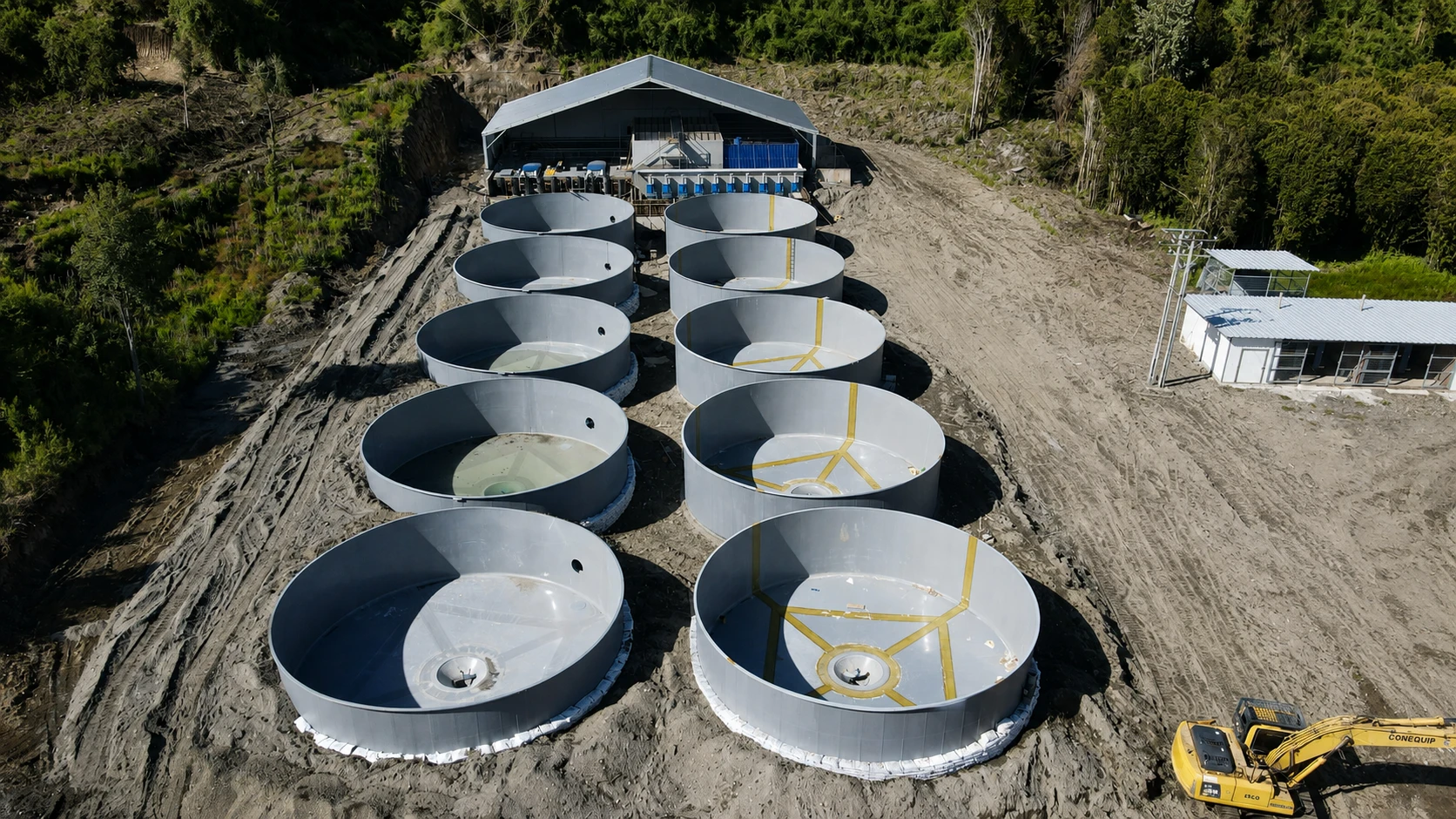
Highly trained professionals and technicians take part in ongoing education and updating so they can adopt new technologies and better industry practices.
We assess project feasibility from the production goals, the infrastructure required, and the site's environmental conditions — water quality, temperature, and available area — to define the initial RAS plant project.
We define the project's engineering from the production requirements gathered in the assessment, aiming every RAS solution at energy efficiency and sustainability, with schedules and milestones that keep execution precise and efficient.
We deliver the project to the agreed technical specifications, making sure every component of the RAS facility is built to the quality, safety, and efficiency standards the process requires.
Our 38 years producing smolt give us the knowledge to carry out a rigorous, efficient commissioning. We verify every installed system and train the operating team so continuous operation starts from day one.
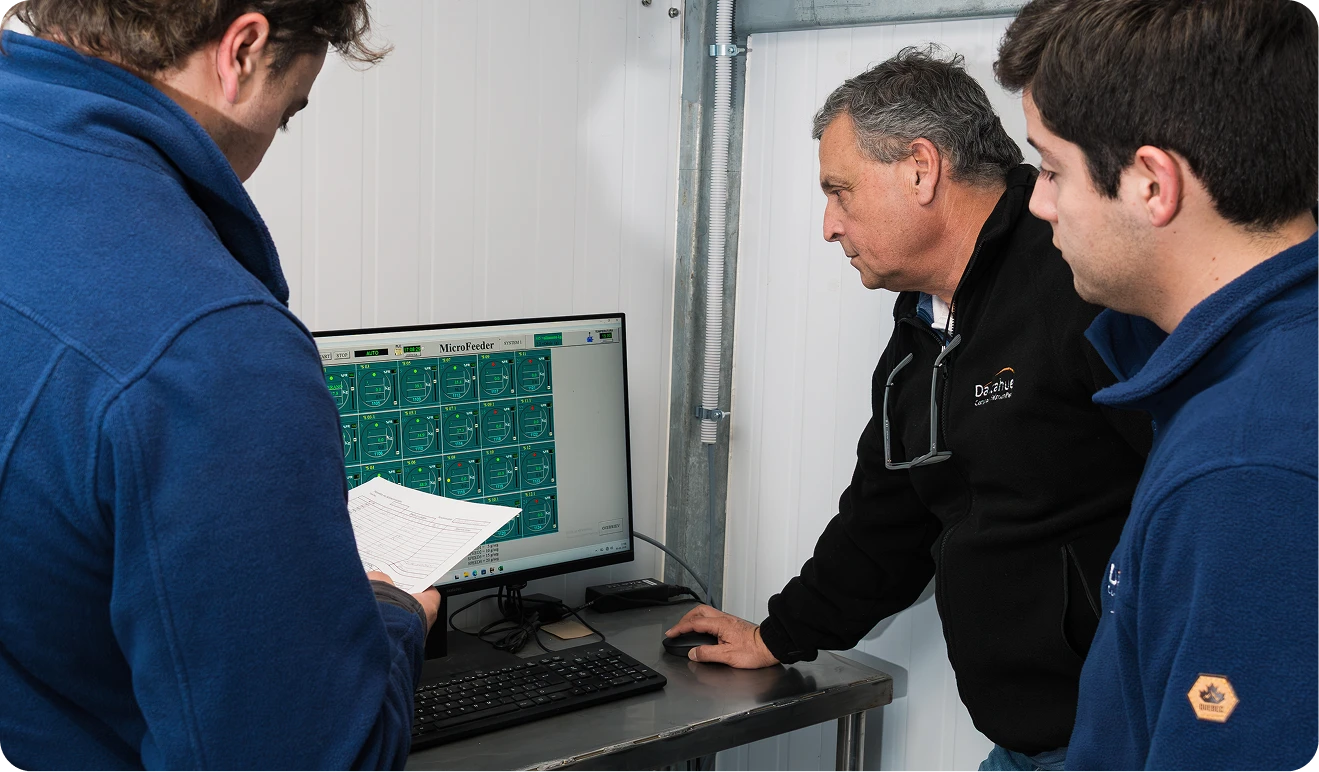
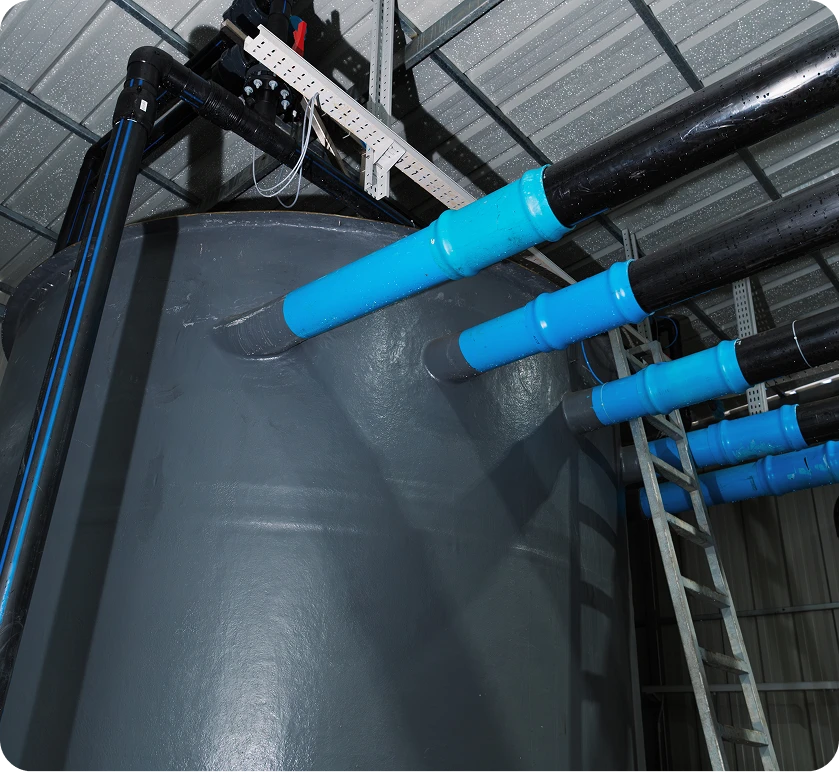
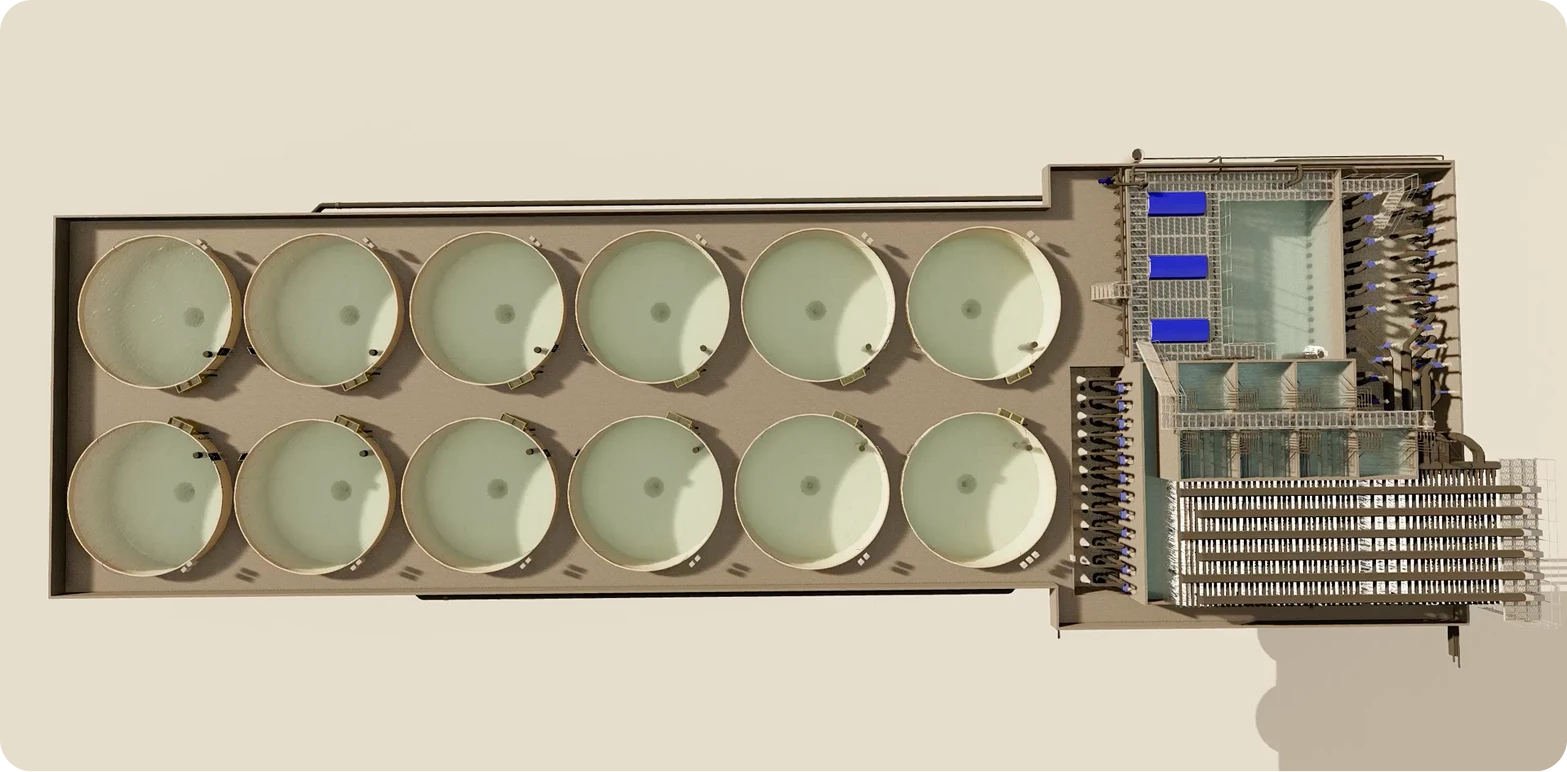
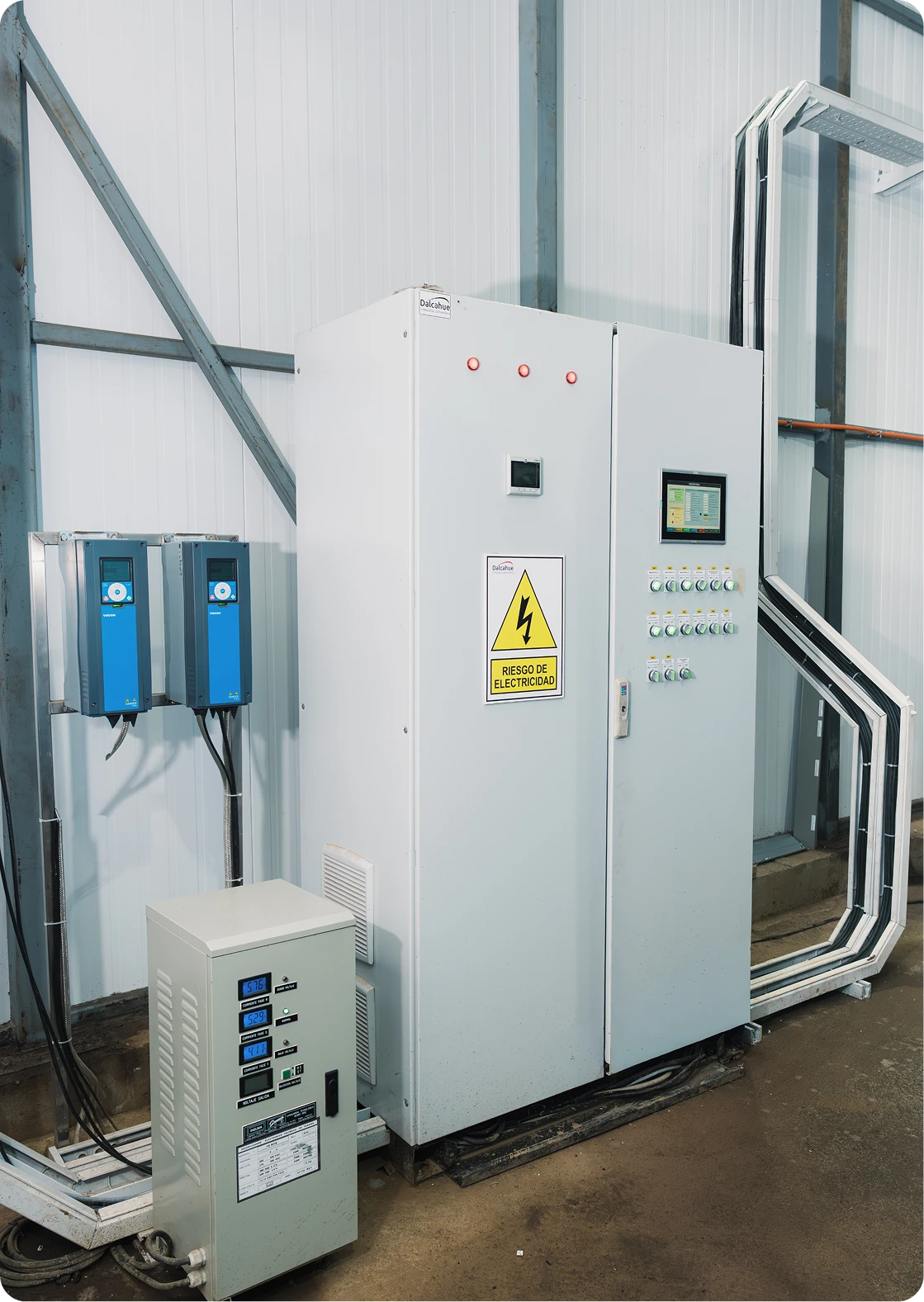
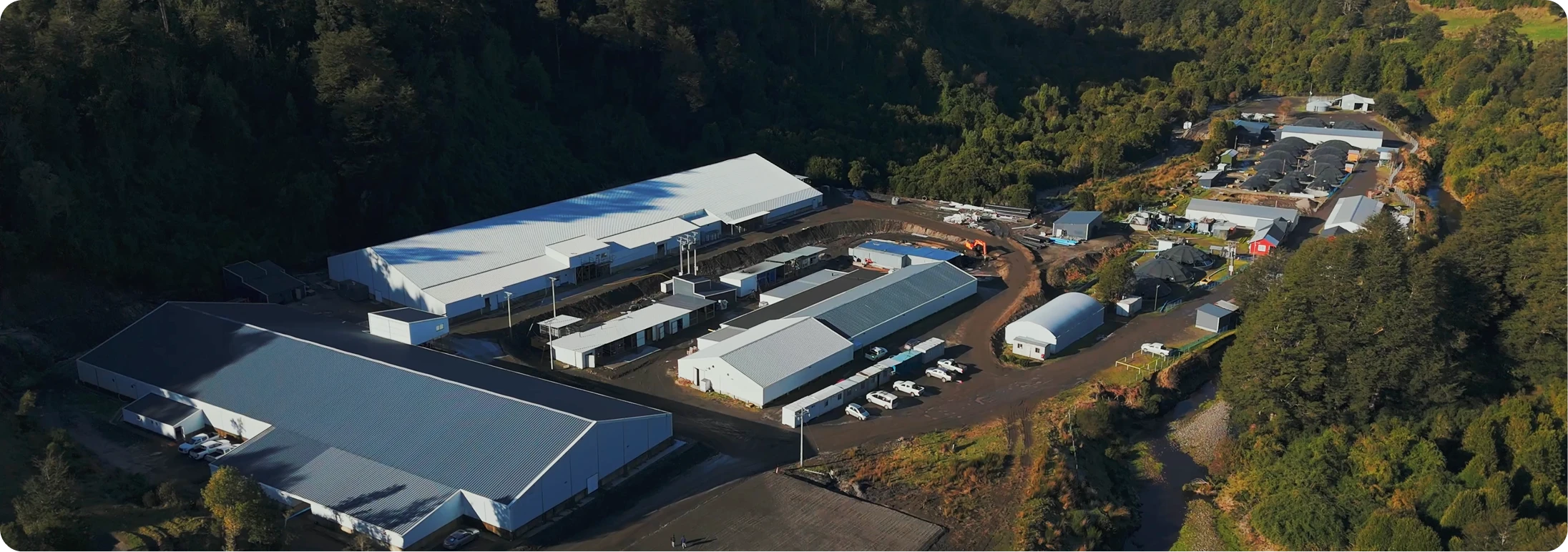
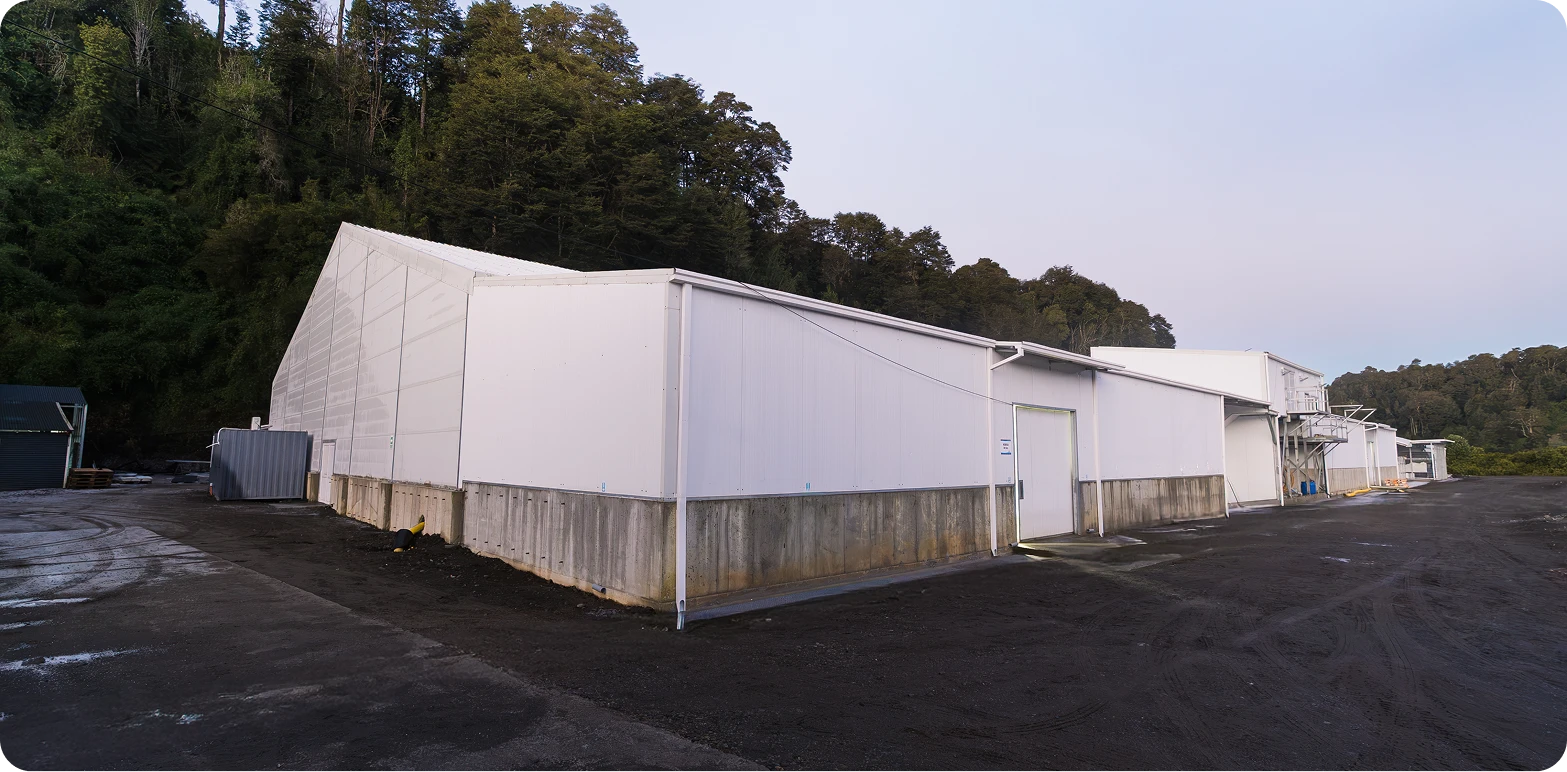
Designing and building our own facilities for more than 38 years has let us face and solve the same operating challenges our clients have. That track record is the basis of every technical decision we make on a new project.
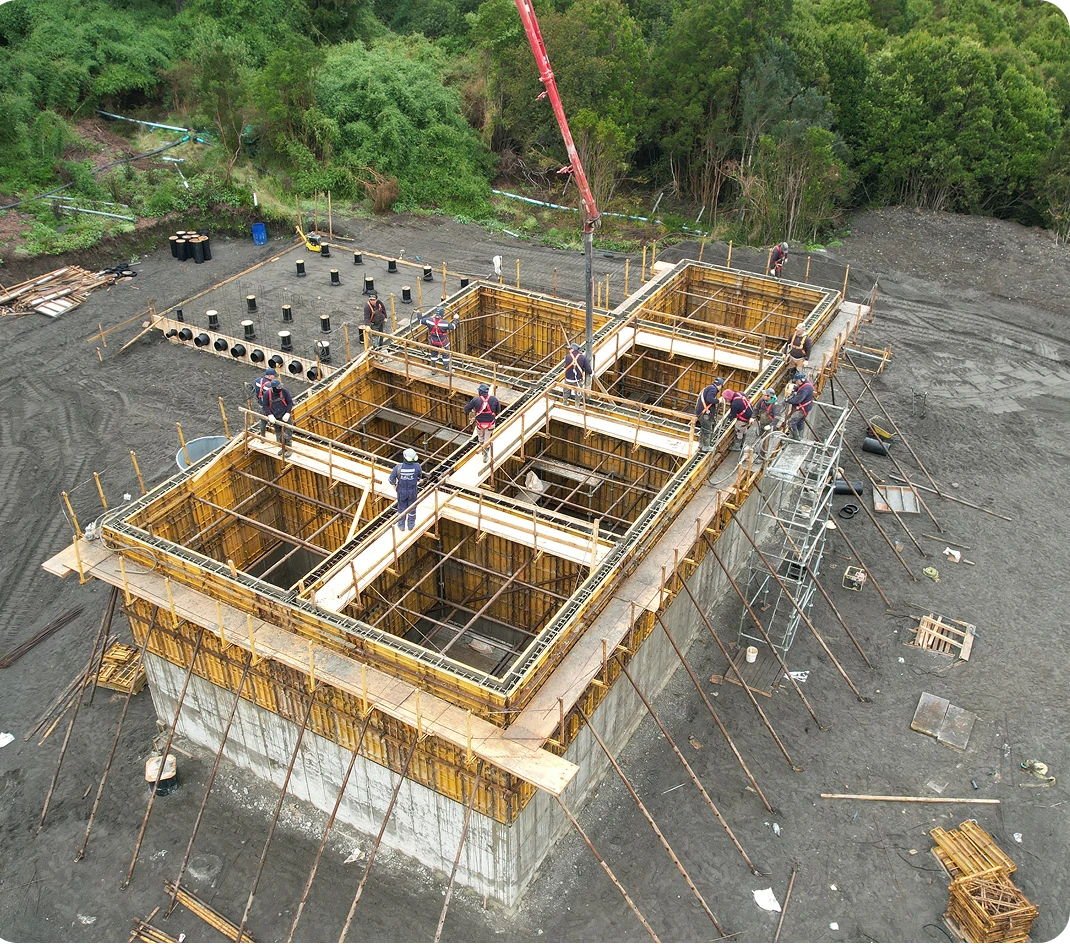
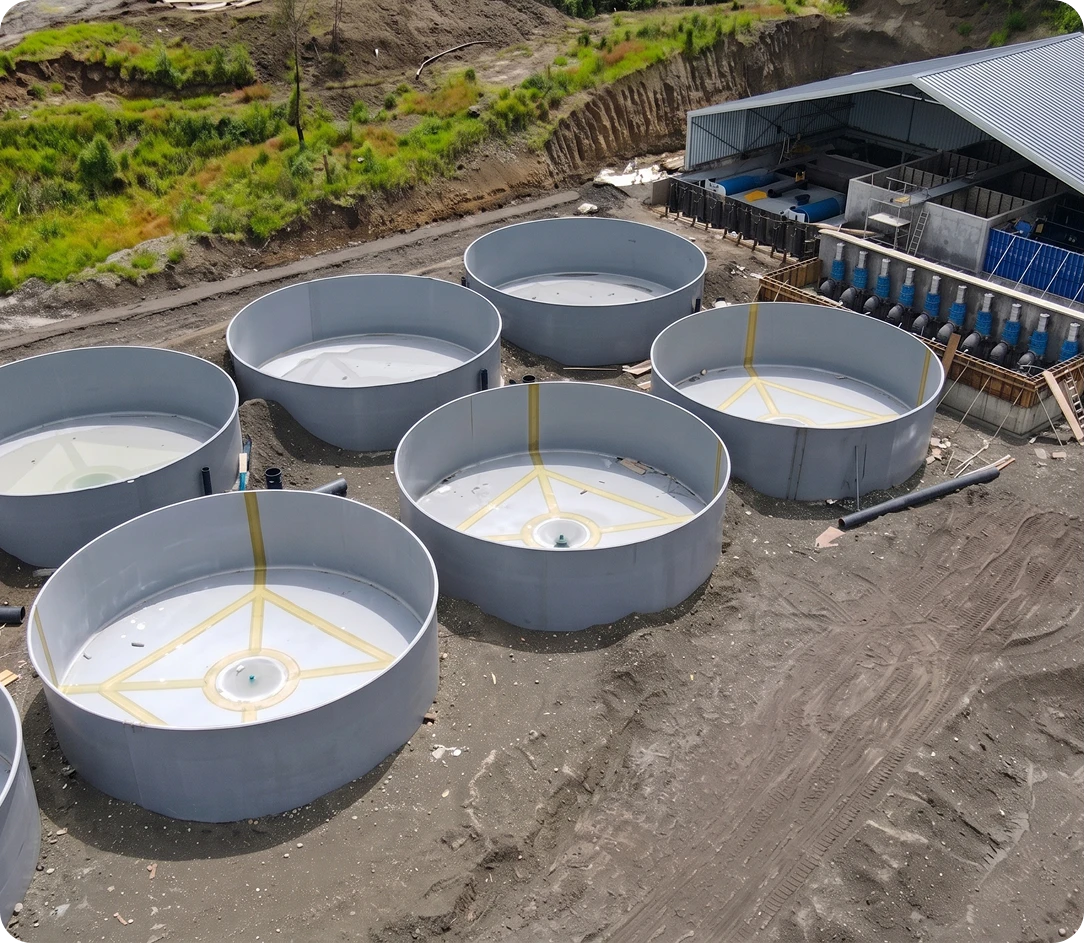
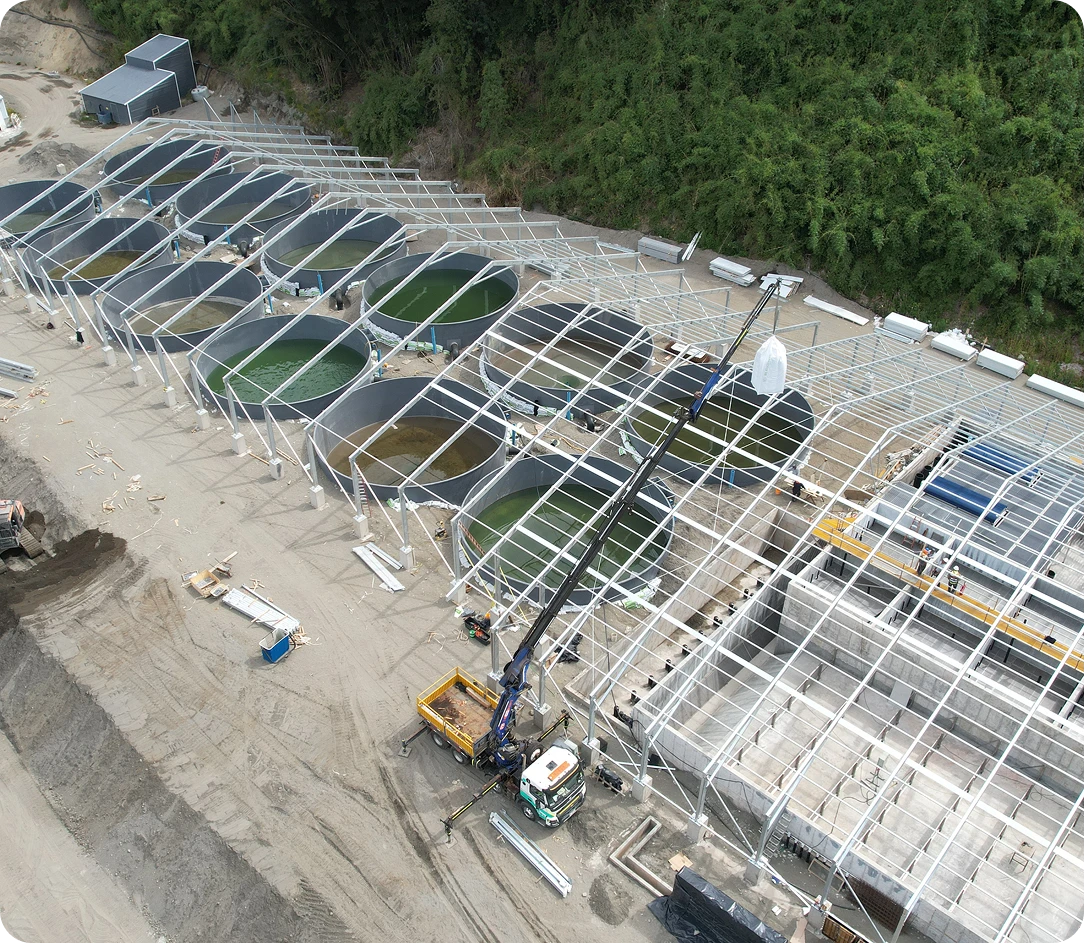
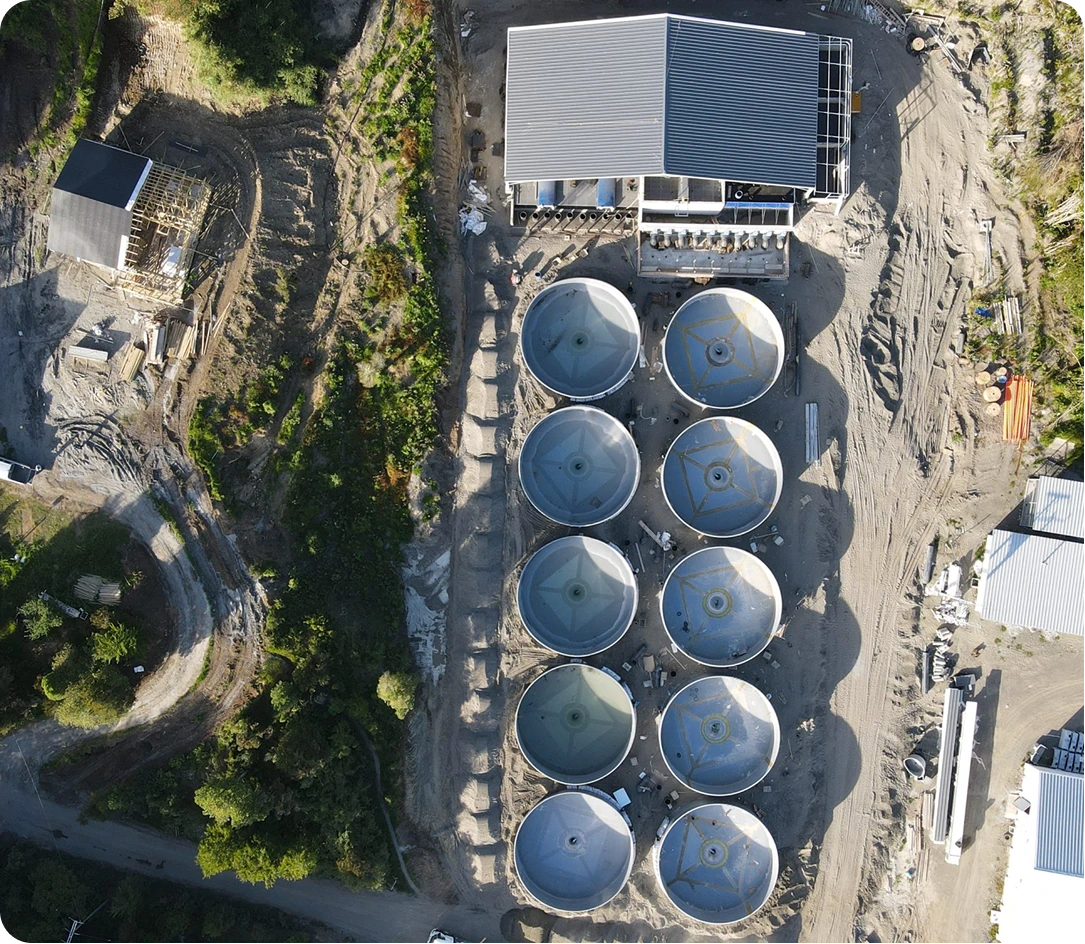
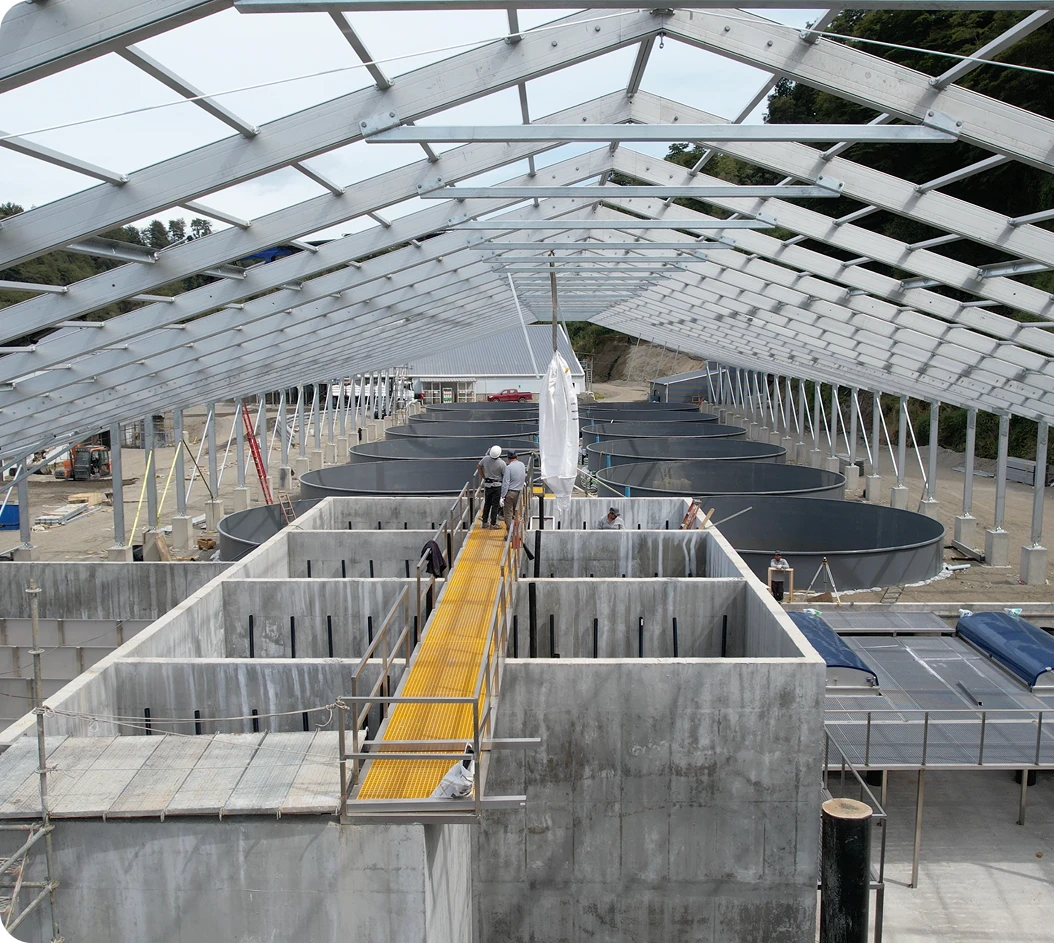
Every component of a plant is connected. A single variable can affect the whole system.
Lower consumption and better operational performance.
Responsible use of resources and a lower environmental impact.
Systems prepared to operate under demanding conditions.
Infrastructure designed to grow with the operation.
38+ years
In active operation
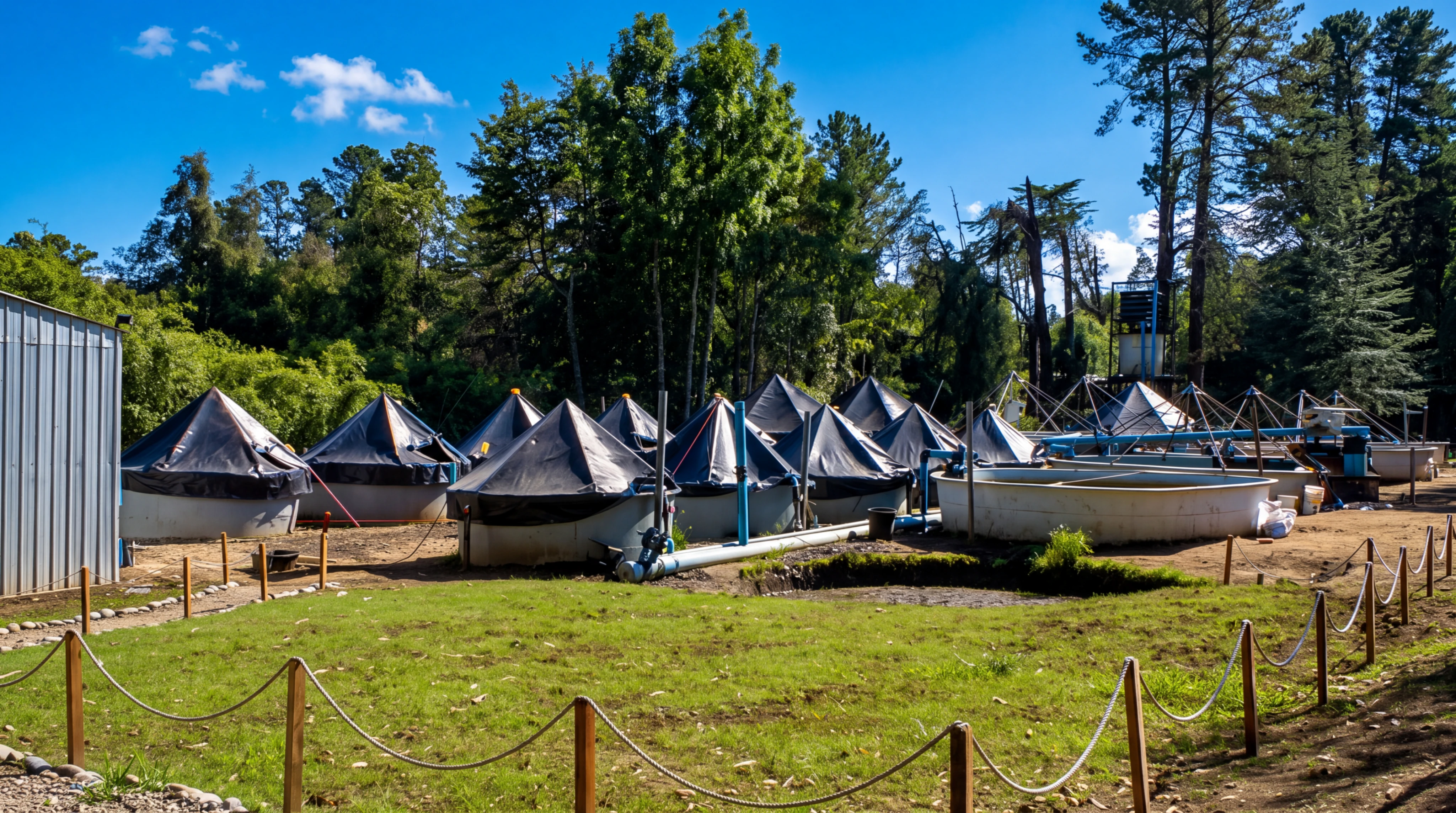
9 hatcheries
Across three regions of Chile
22,270 m³
Installed volume
2,560 t
Biomass capacity
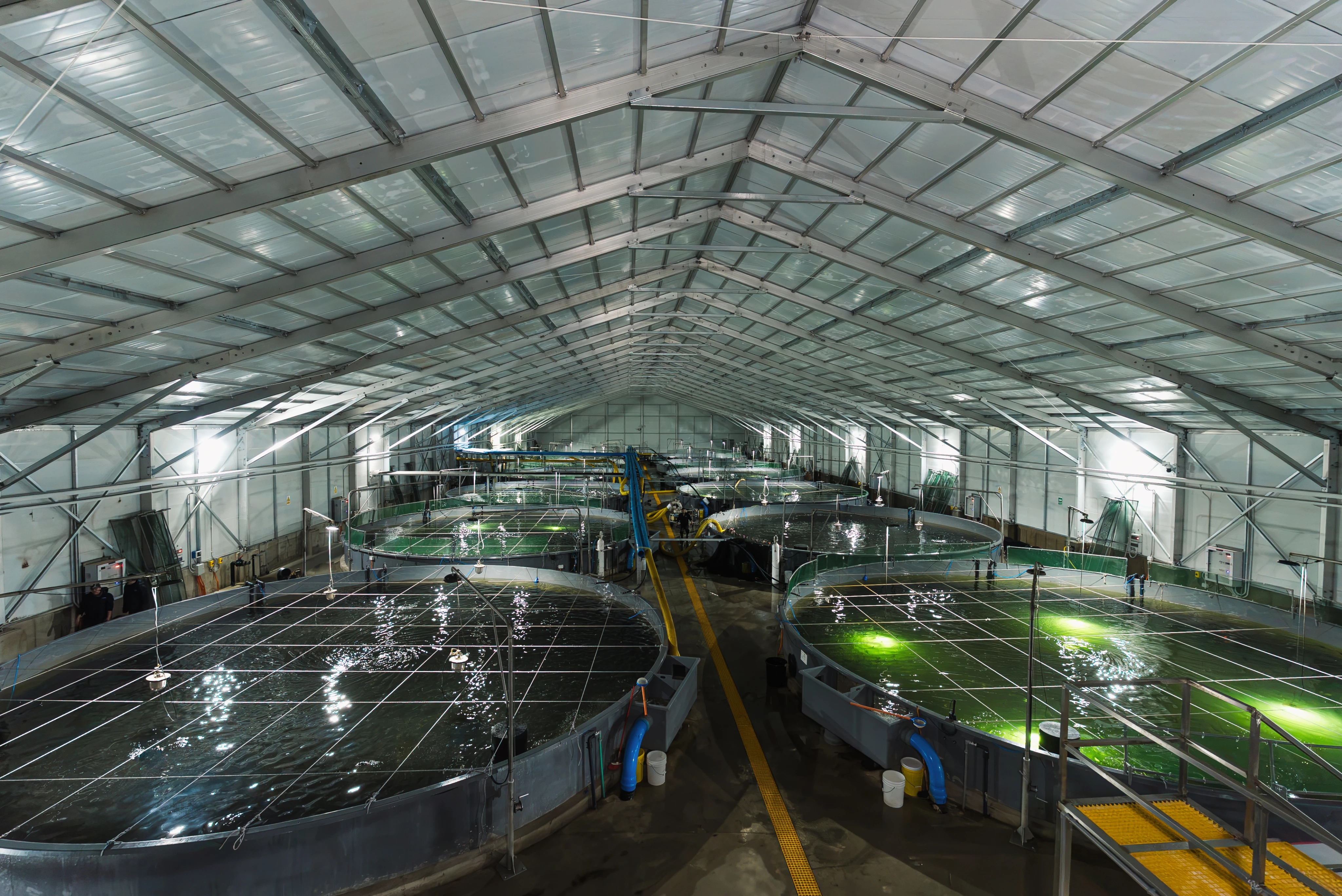
Biomass
900 t
Volume
7,860 m³
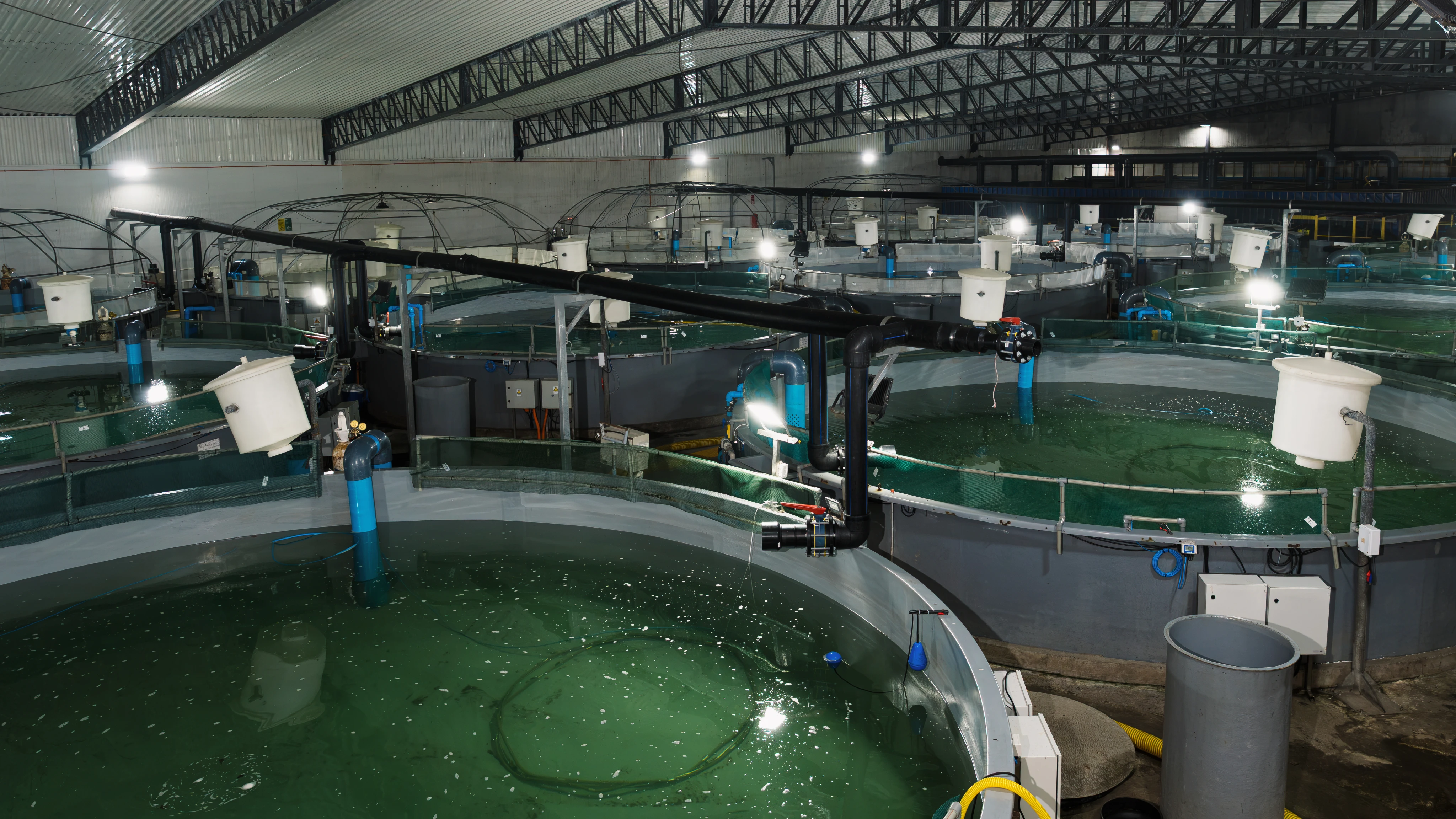
Biomass
220 t
Volume
1,200 m³
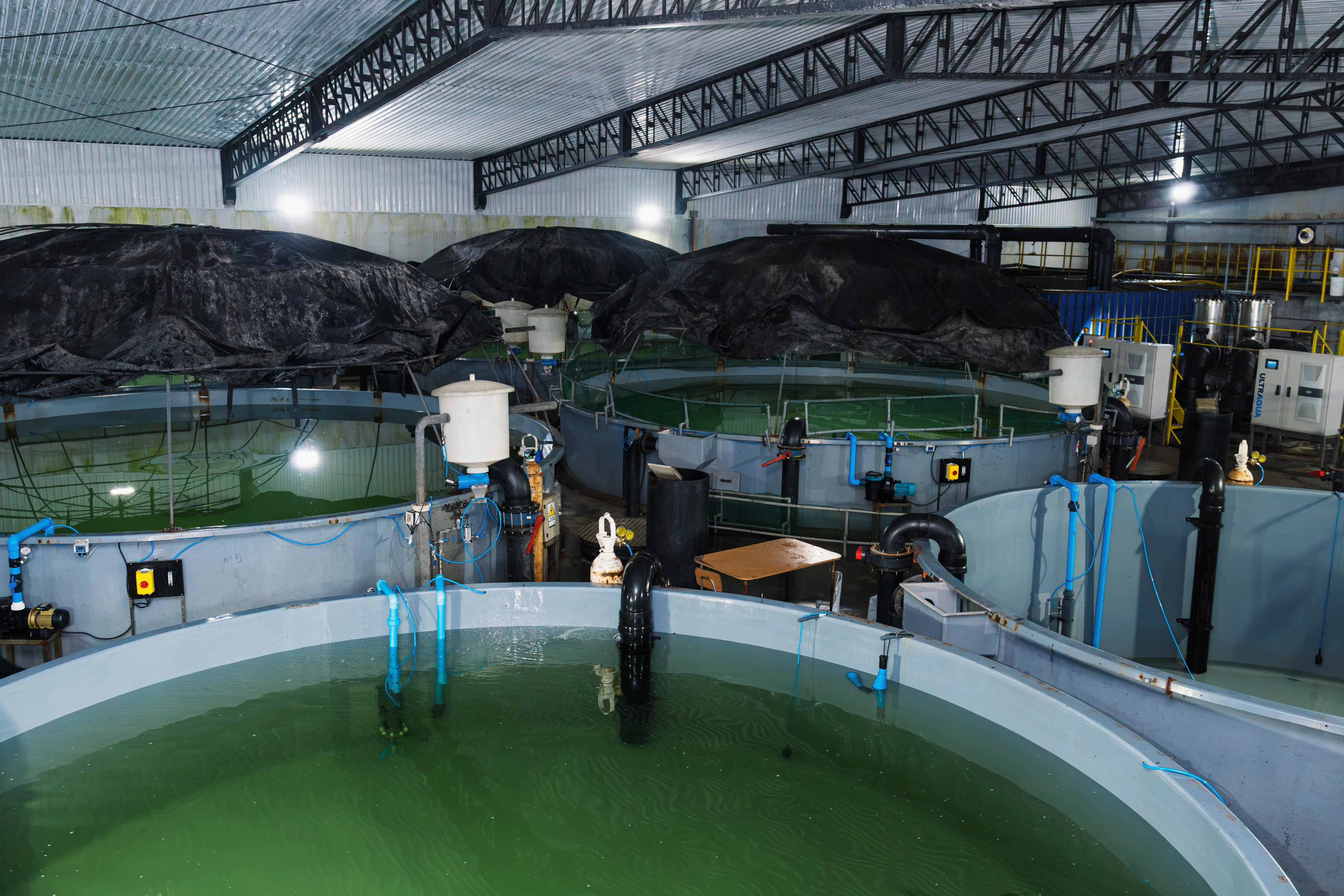
Biomass
120 t
Volume
850 m³
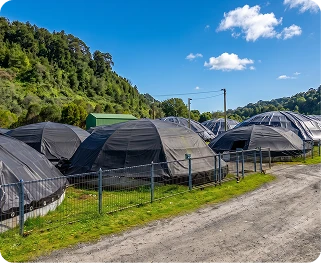
Biomass
230 t
Volume
2,900 m³
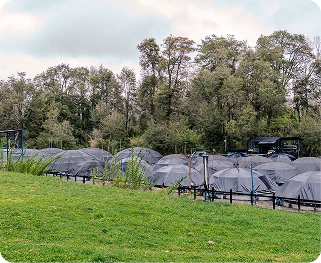
Biomass
610 t
Volume
2,340 m³
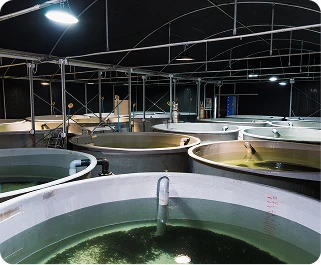
Biomass
100 t
Volume
2,350 m³
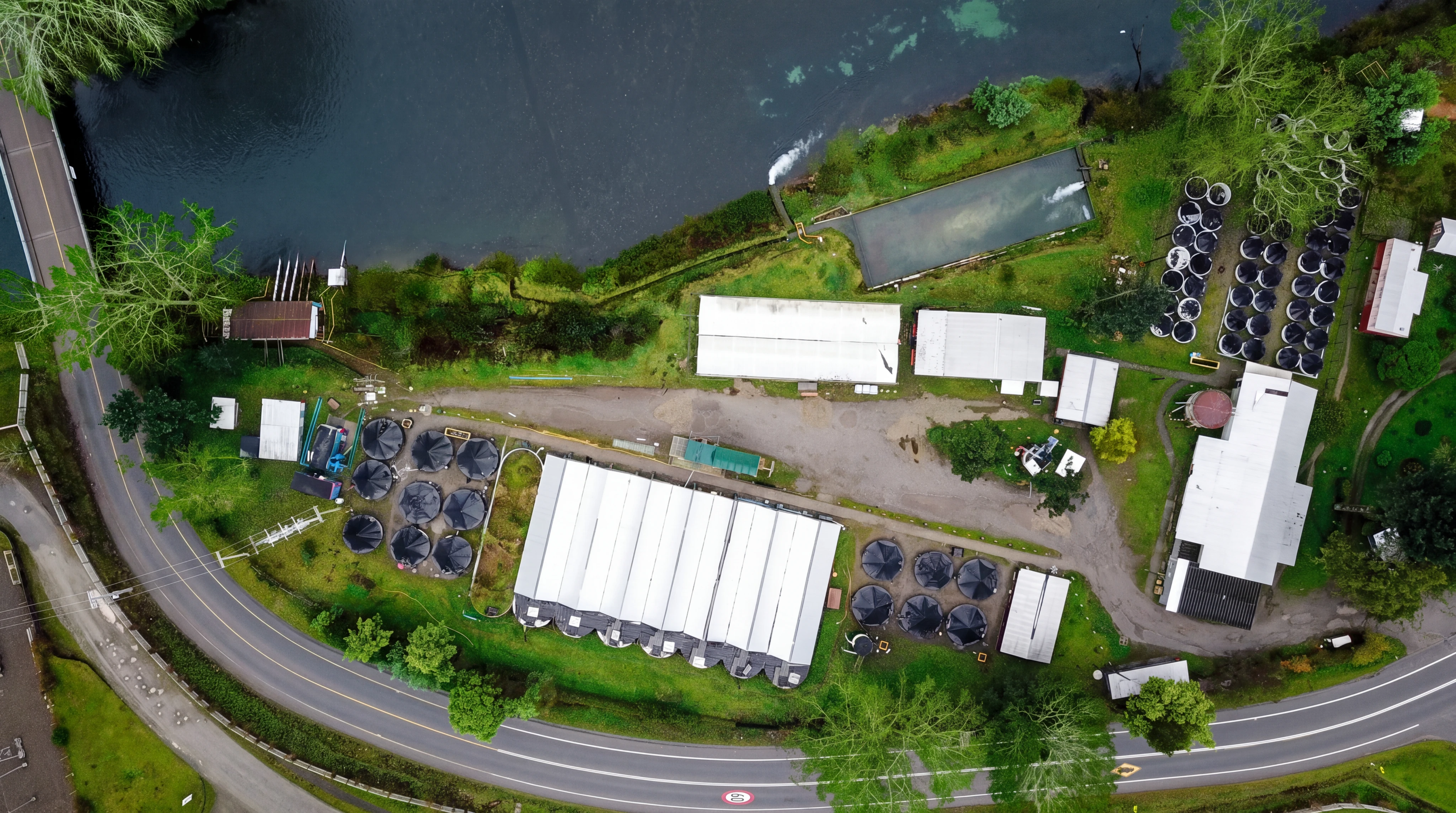
Biomass
100 t
Volume
1,470 m³
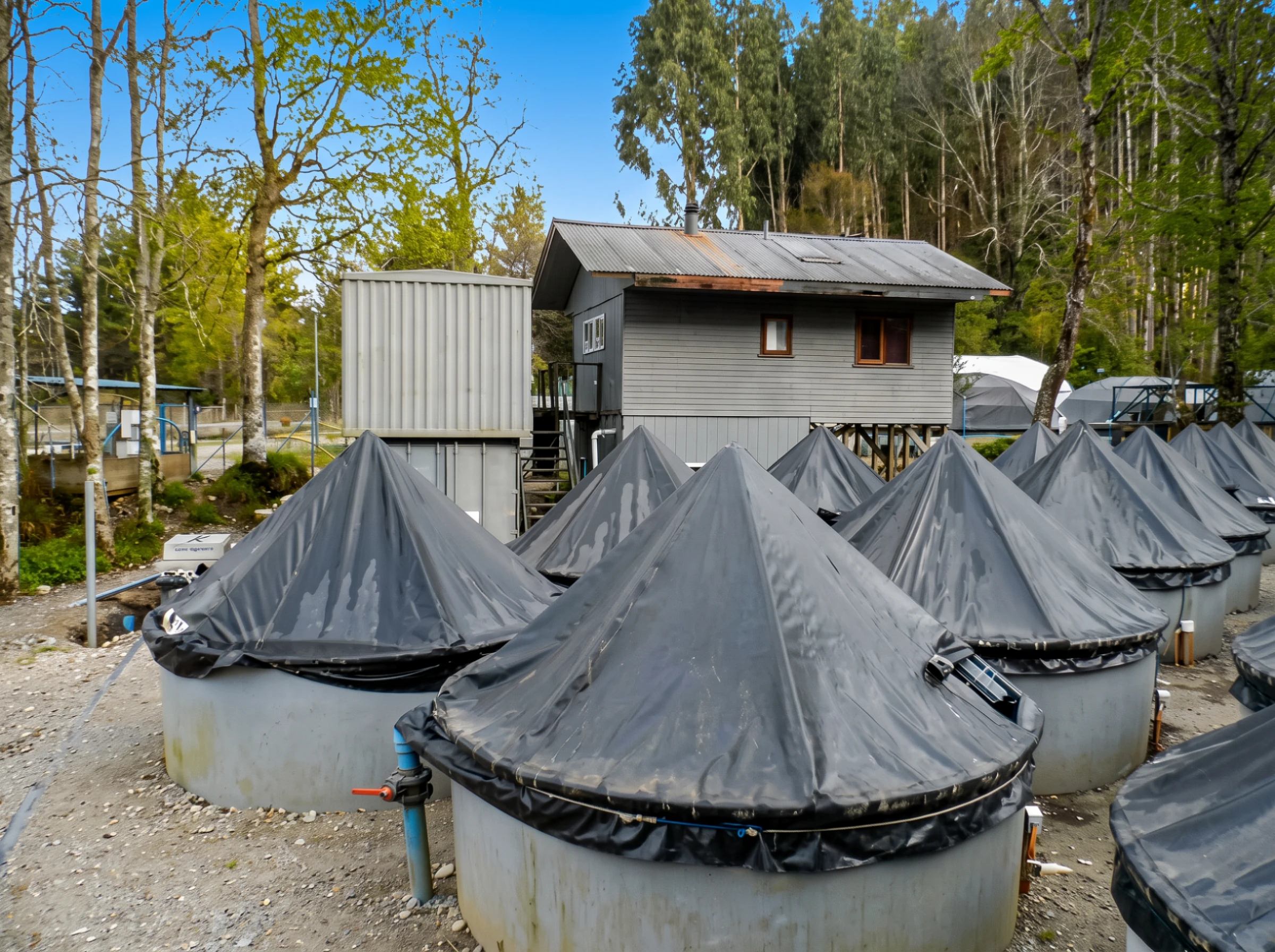
Biomass
100 t
Volume
1,700 m³
Biomass
180 t
Volume
1,600 m³
From the design phase, every RAS solution is aimed at minimizing energy use and environmental impact, with efficient equipment sizing, energy recovery, and waste treatment built into the production process.
Every technical decision starts from real knowledge of the salmon production cycle. Our sites are designed to operate efficiently from day one, because the people who design them know the conditions the process and the fish require.
Yes. Our projects include sludge handling and treatment through dewatering and thermal drying, turning production waste into inputs for agricultural compost and reducing the impact on the surrounding environment.
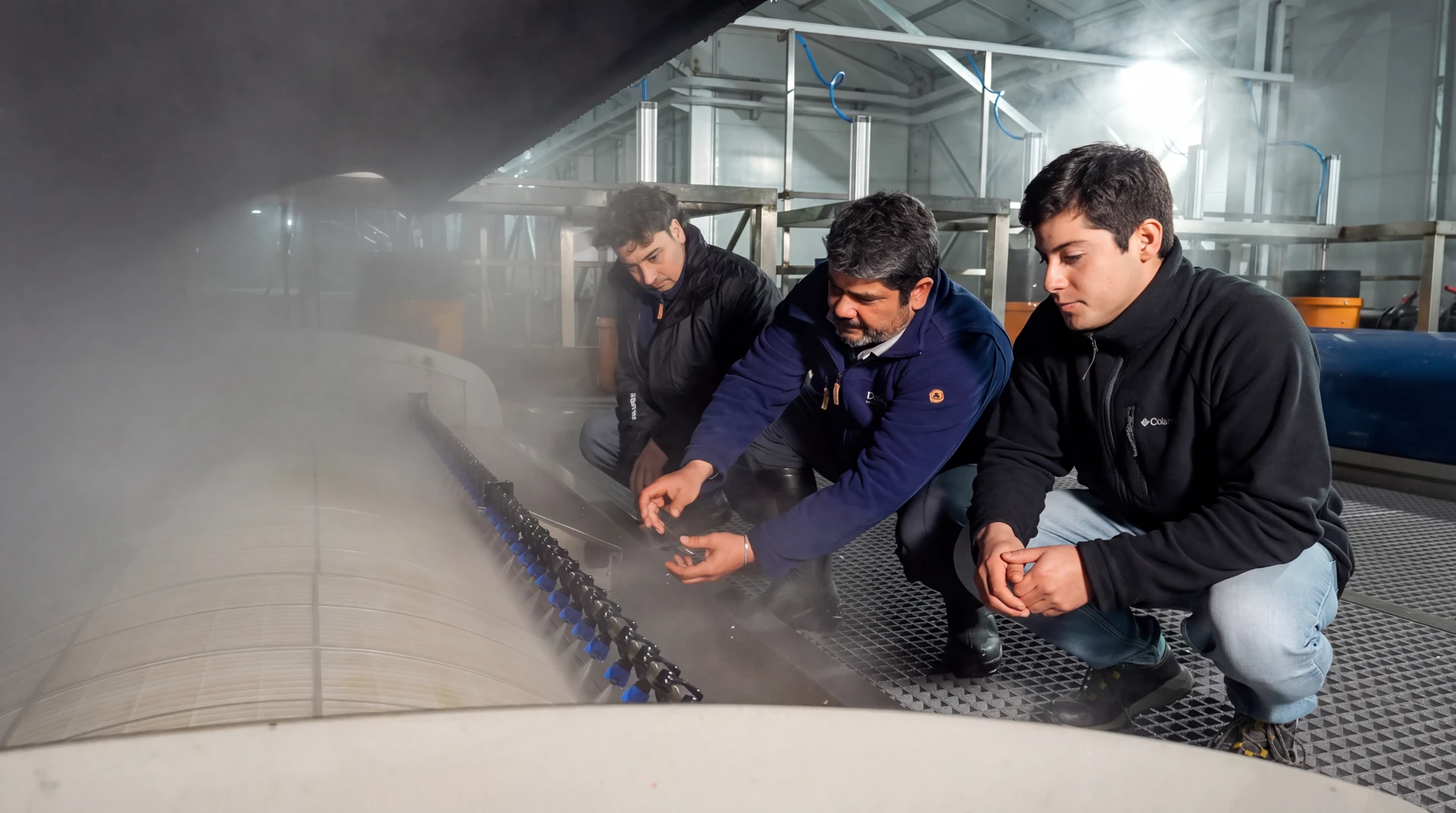
Every project we develop is the result of decades of learning, building, and operating in real conditions.