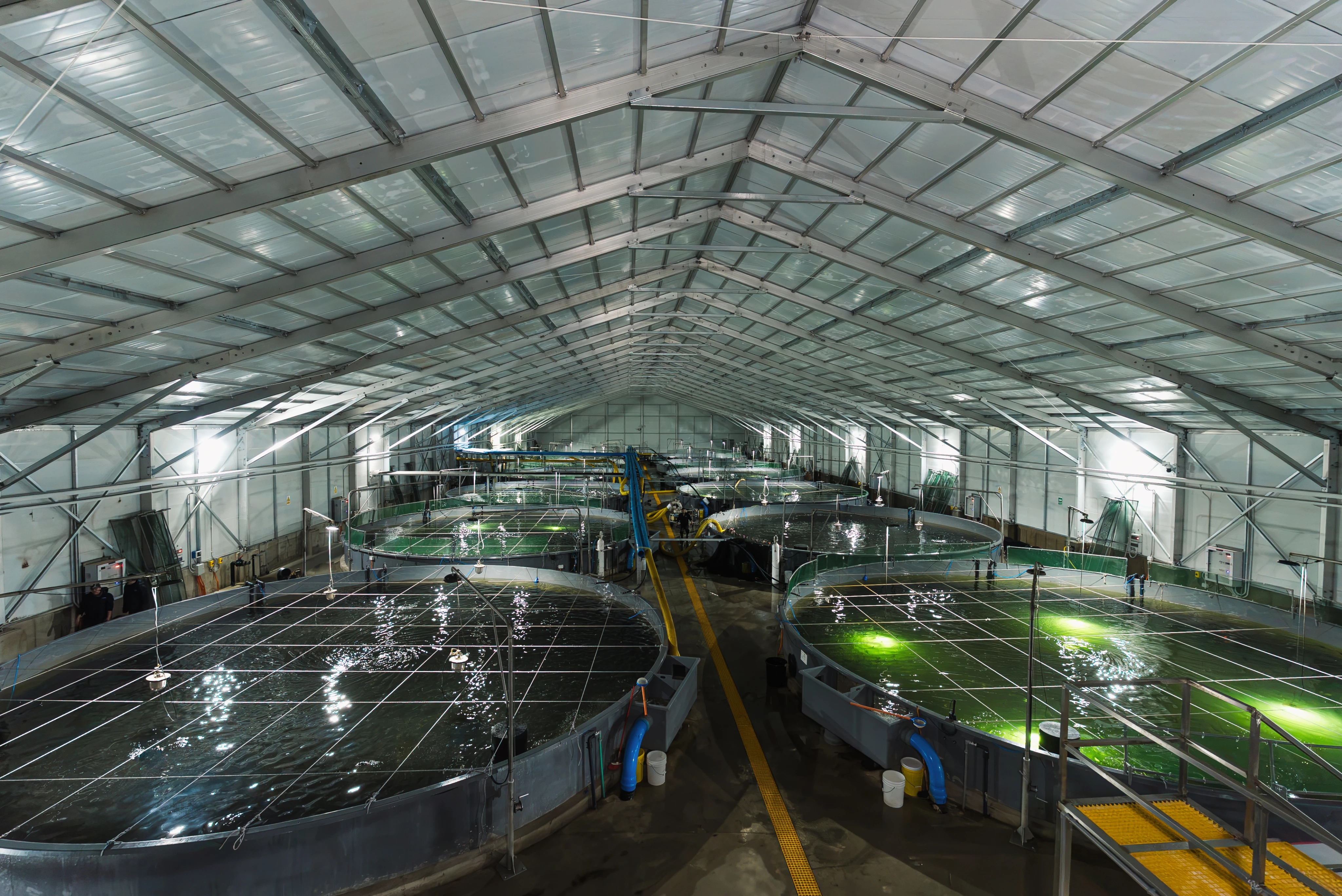
Quillaico RAS
Biomass
900 t
Volume
7,860 m³
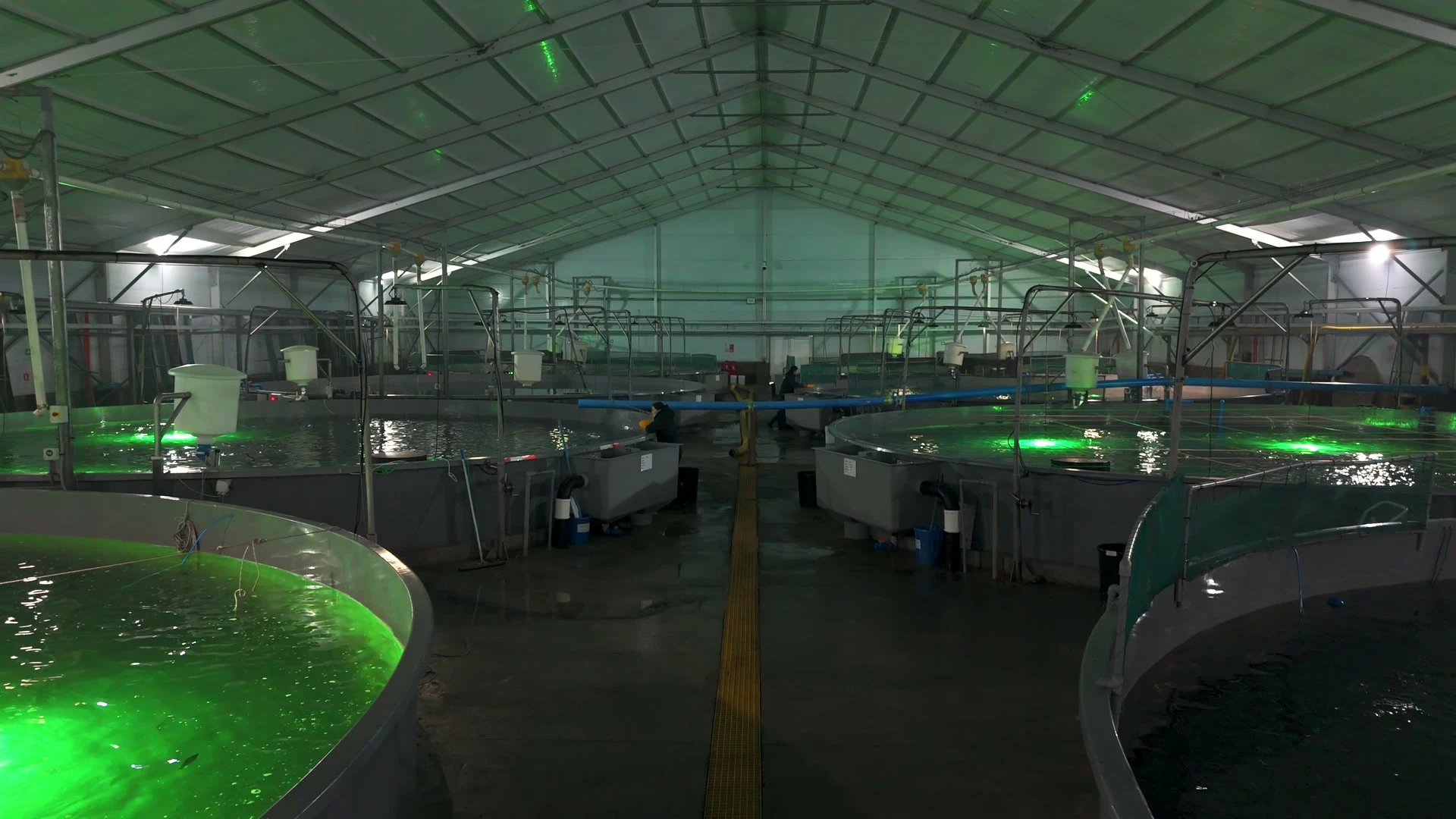
Salmonífera Dalcahue began operating in 1988, when it commissioned its first hatchery in Chiloé.
Since then it has built nine hatcheries across La Araucanía, Los Ríos, and Los Lagos.
Specialized in fry and smolt production, the company has developed a model based on technological innovation, continuous improvement, animal welfare, and the circular economy.
38years
of experience
2,560t
Biomass capacity
22,270m³
Installed volume
The company currently operates a network of modern, strategically located hatcheries, with a presence in the regions of La Araucanía, Los Ríos, and Los Lagos.
Biomass
900 t
Volume
7,860 m³
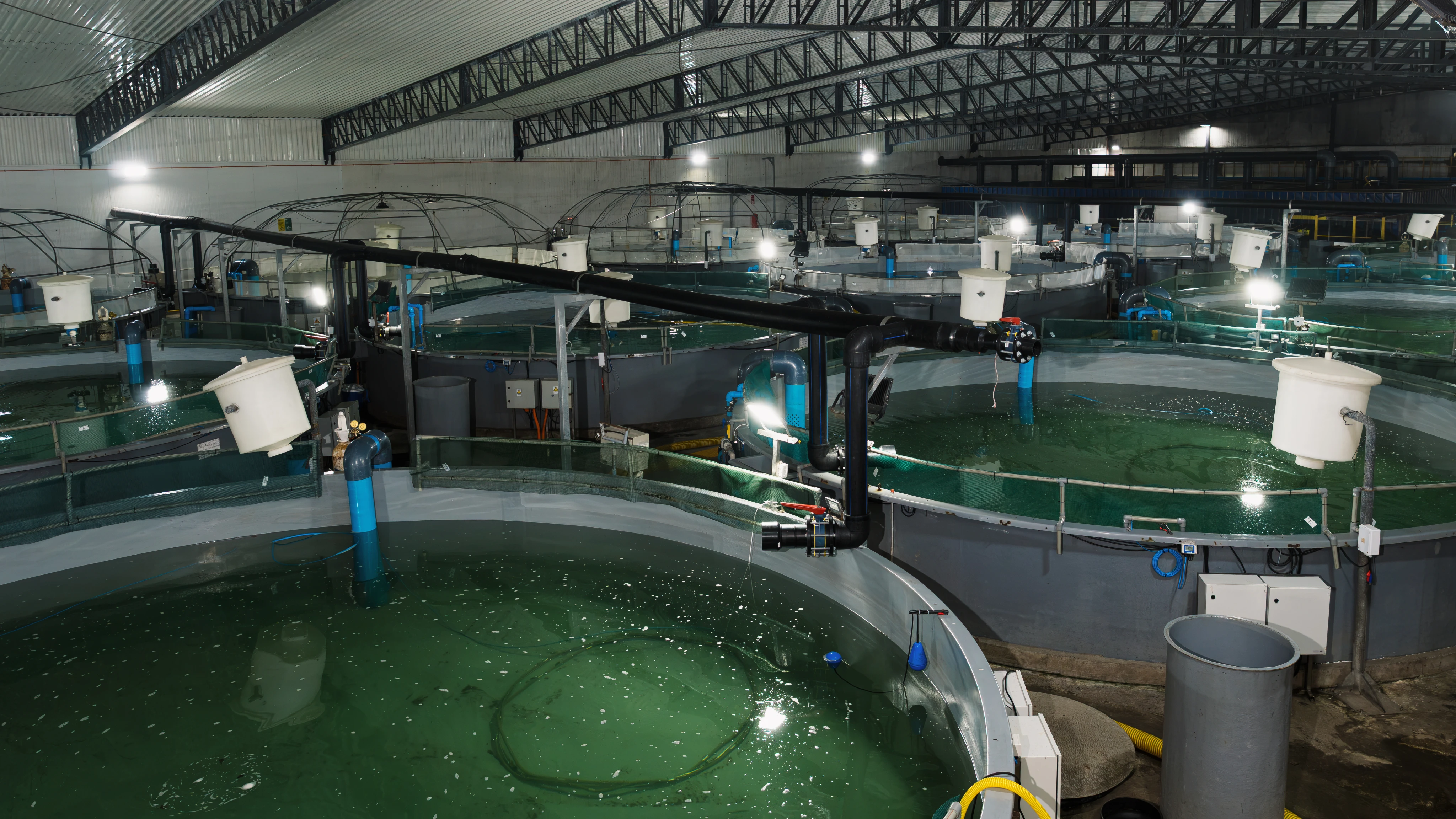
Biomass
220 t
Volume
1,200 m³
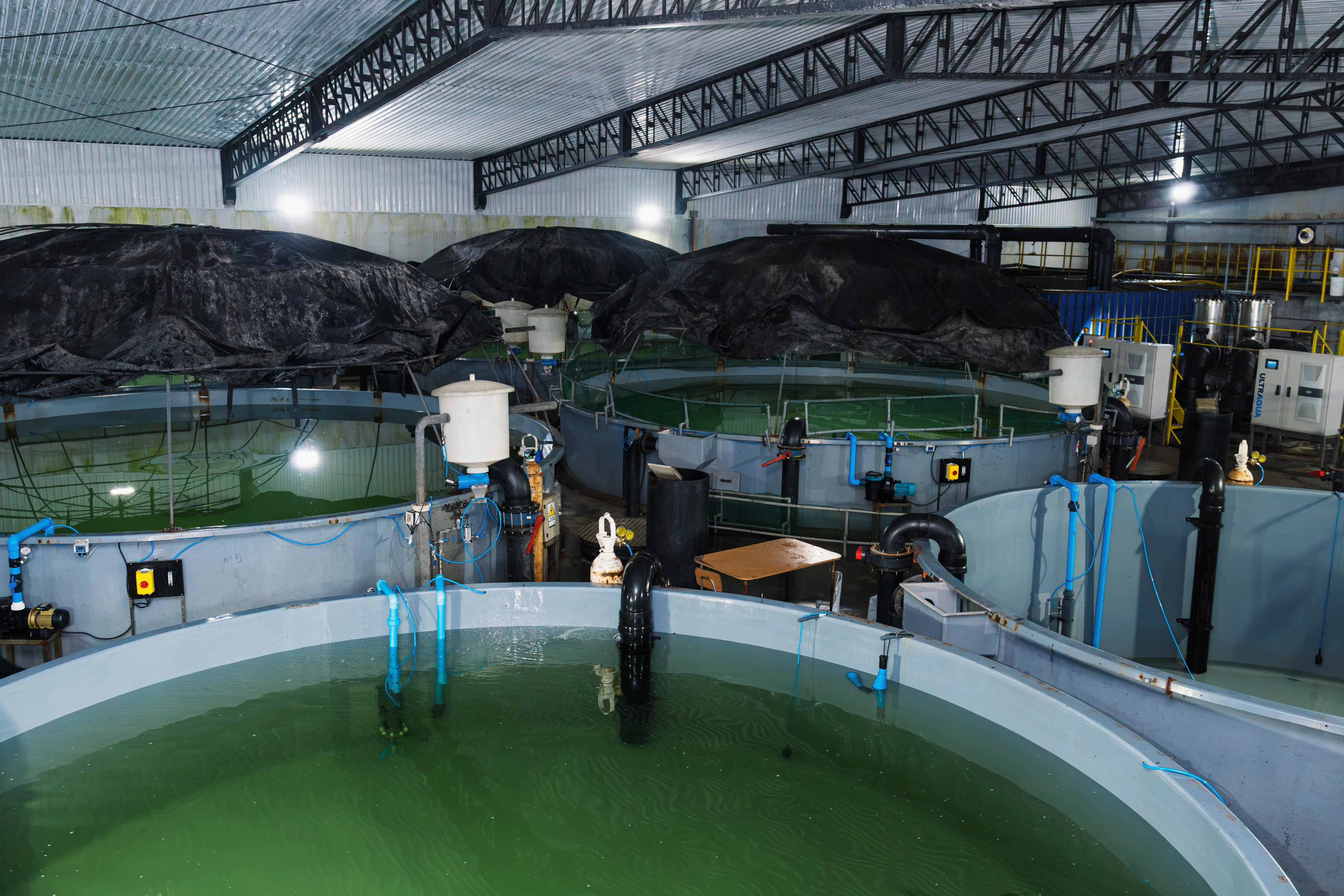
Biomass
120 t
Volume
850 m³
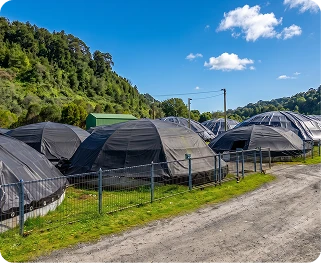
Biomass
230 t
Volume
2,900 m³
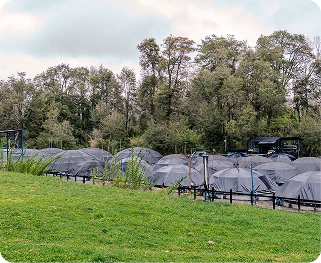
Biomass
610 t
Volume
2,340 m³
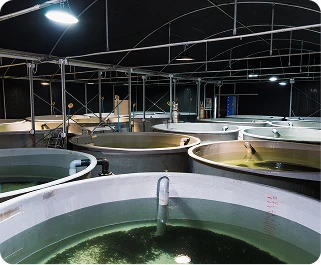
Biomass
100 t
Volume
2,350 m³
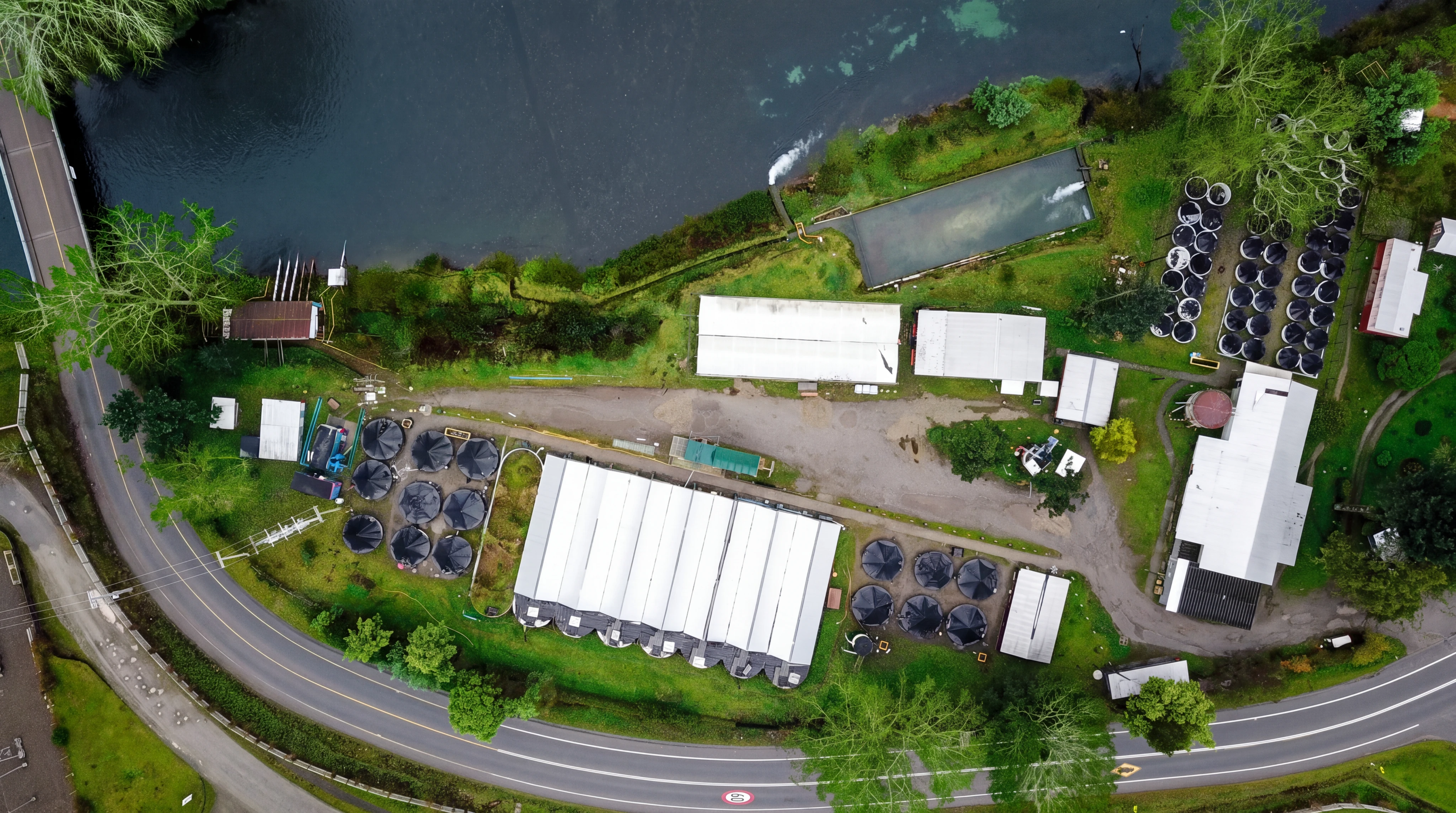
Biomass
100 t
Volume
1,470 m³
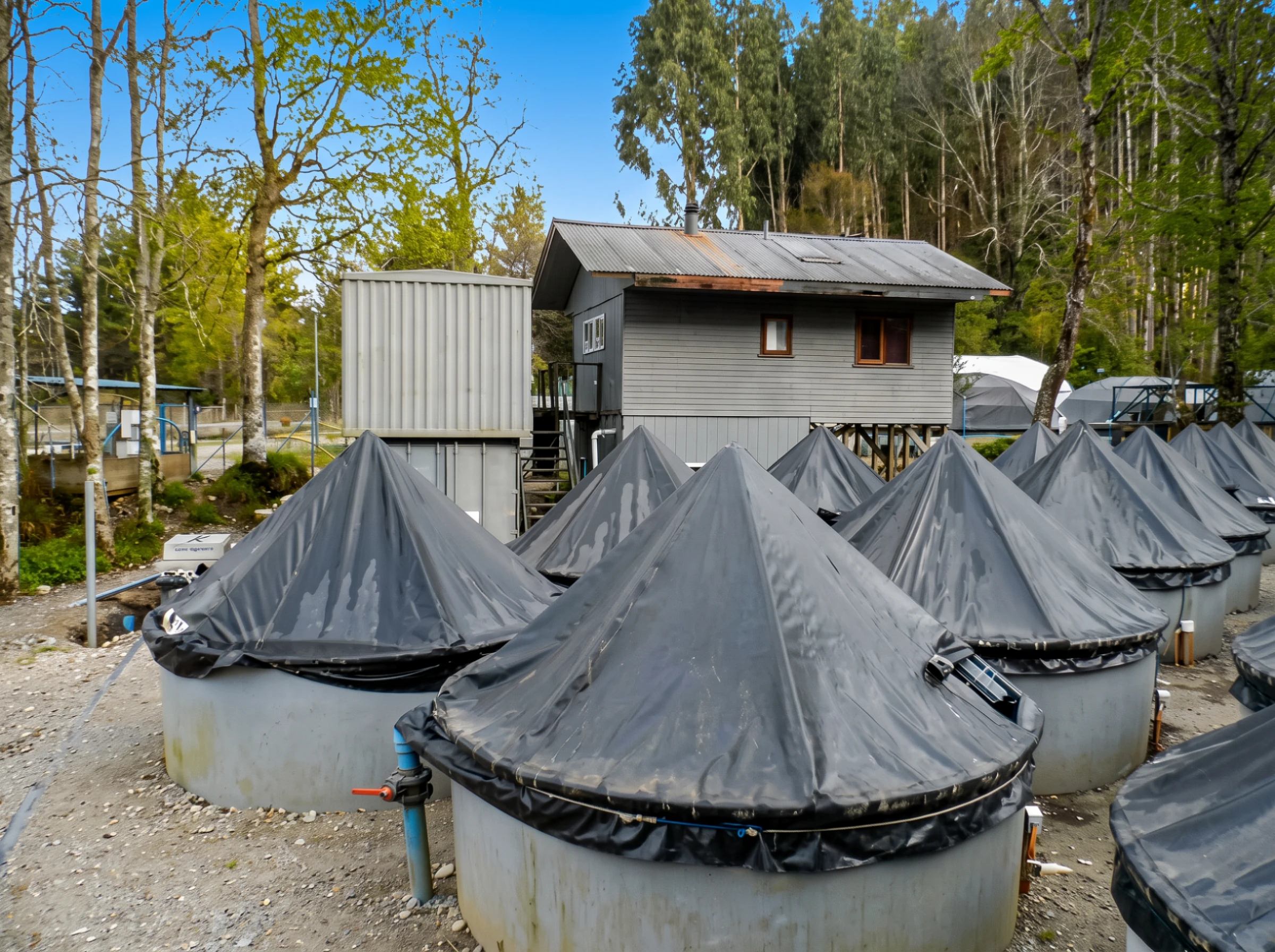
Biomass
100 t
Volume
1,700 m³
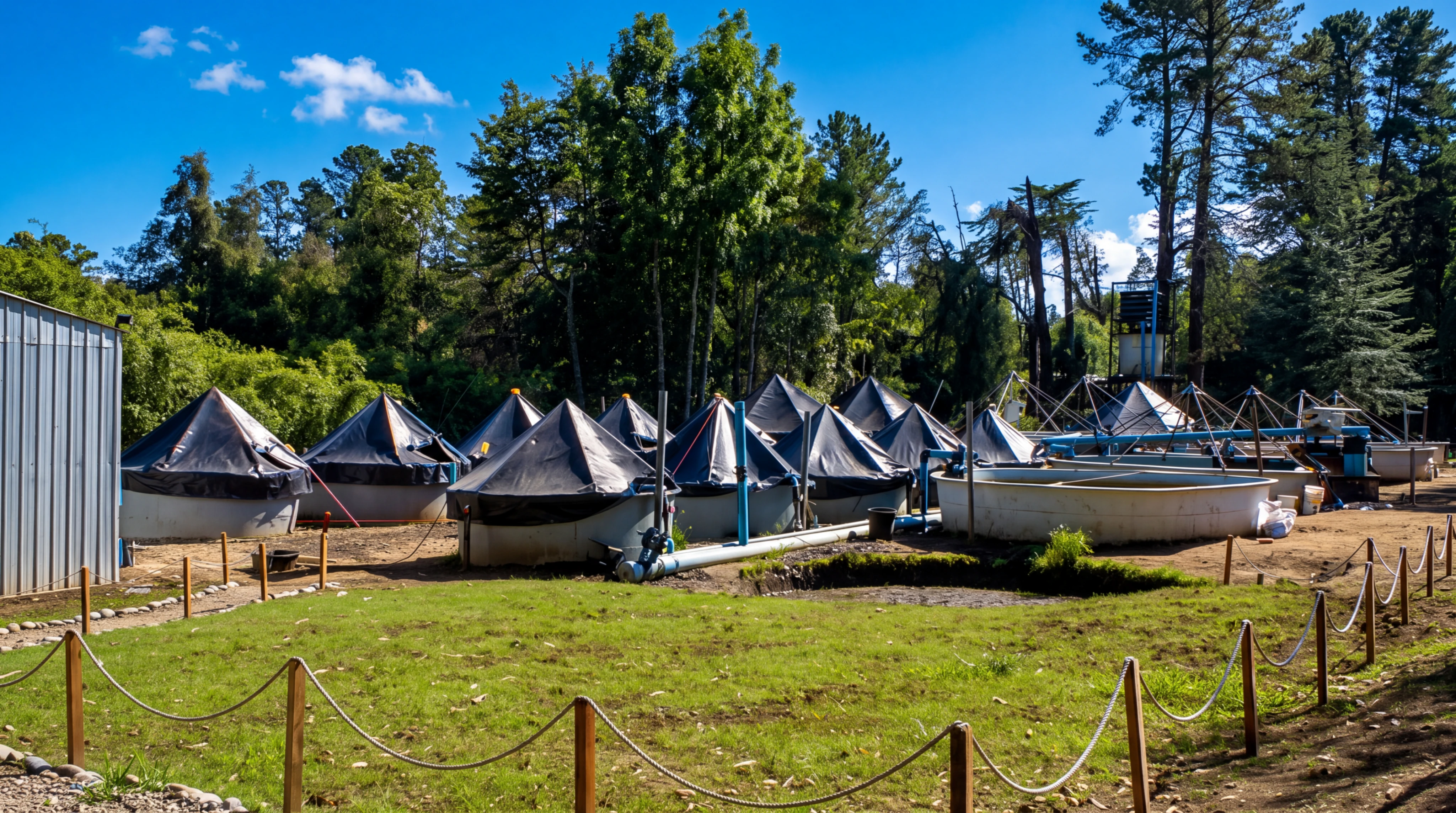
Biomass
180 t
Volume
1,600 m³
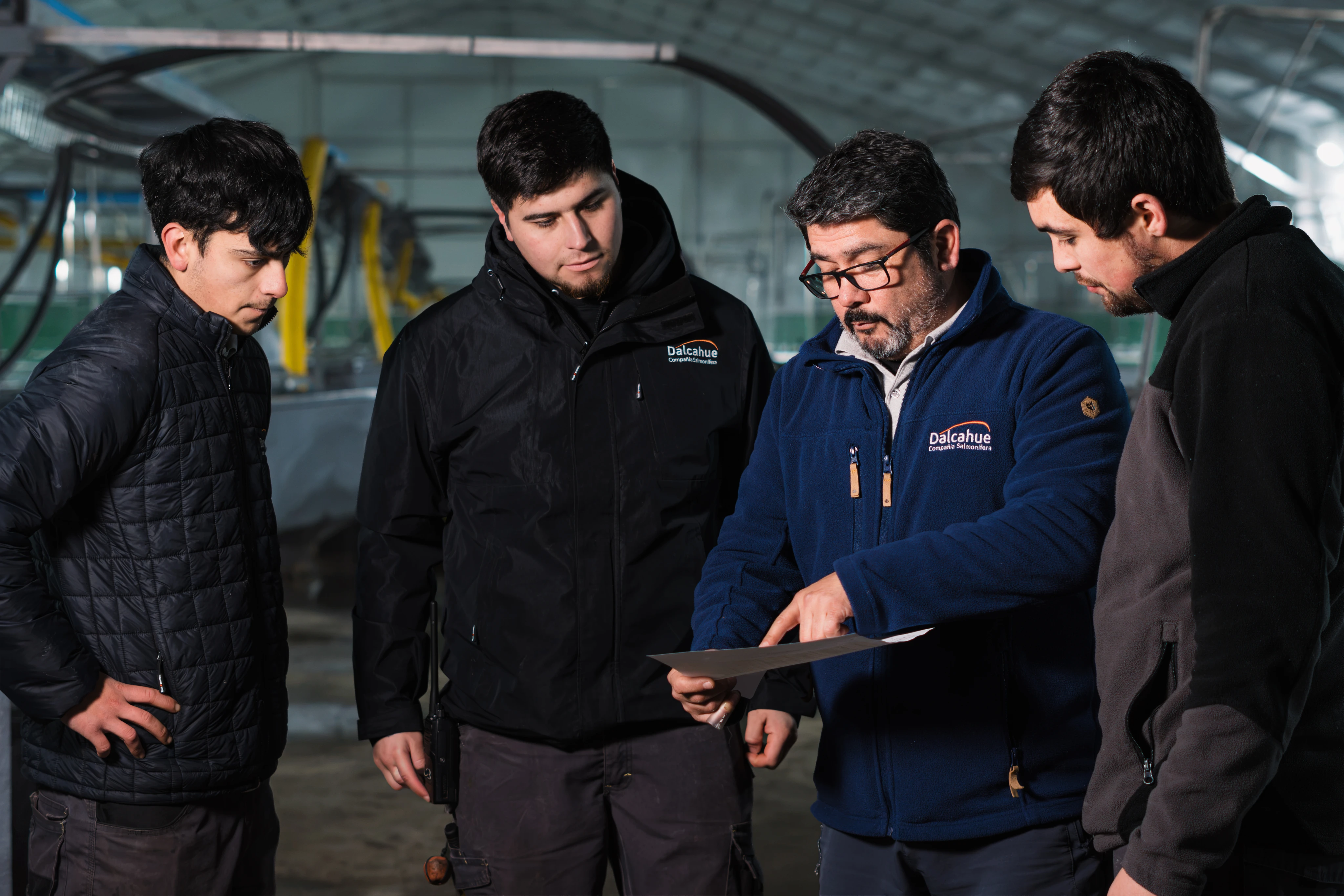
Highly trained professionals and technicians take part in ongoing education and updating so they can adopt new technologies and better industry practices.
Stable control of parameters such as O₂, CO₂, temperature, and water quality provides the right conditions for the fish at every stage, from egg to smolt.
Every production cycle generates lessons that are built into the design and operation of our farming sites. Our 38 years of operation are the basis of a process that keeps getting better.
We operate a model that prioritizes the efficient use of water and natural resources. Our reuse and RAS systems reduce freshwater consumption and the environmental impact of every production cycle.
Sludge from the production process is recovered through dewatering and thermal drying, improving operating conditions and reducing the impact on the surrounding environment. The resulting residue becomes an input for compost, closing the loop between aquaculture and agriculture.
At Salmonífera Dalcahue, the constant search for better processes and more efficient technologies is part of how we operate. Every technology decision is grounded in knowledge of the full production cycle, with a clear purpose: to provide the conditions smolt production requires at every stage.
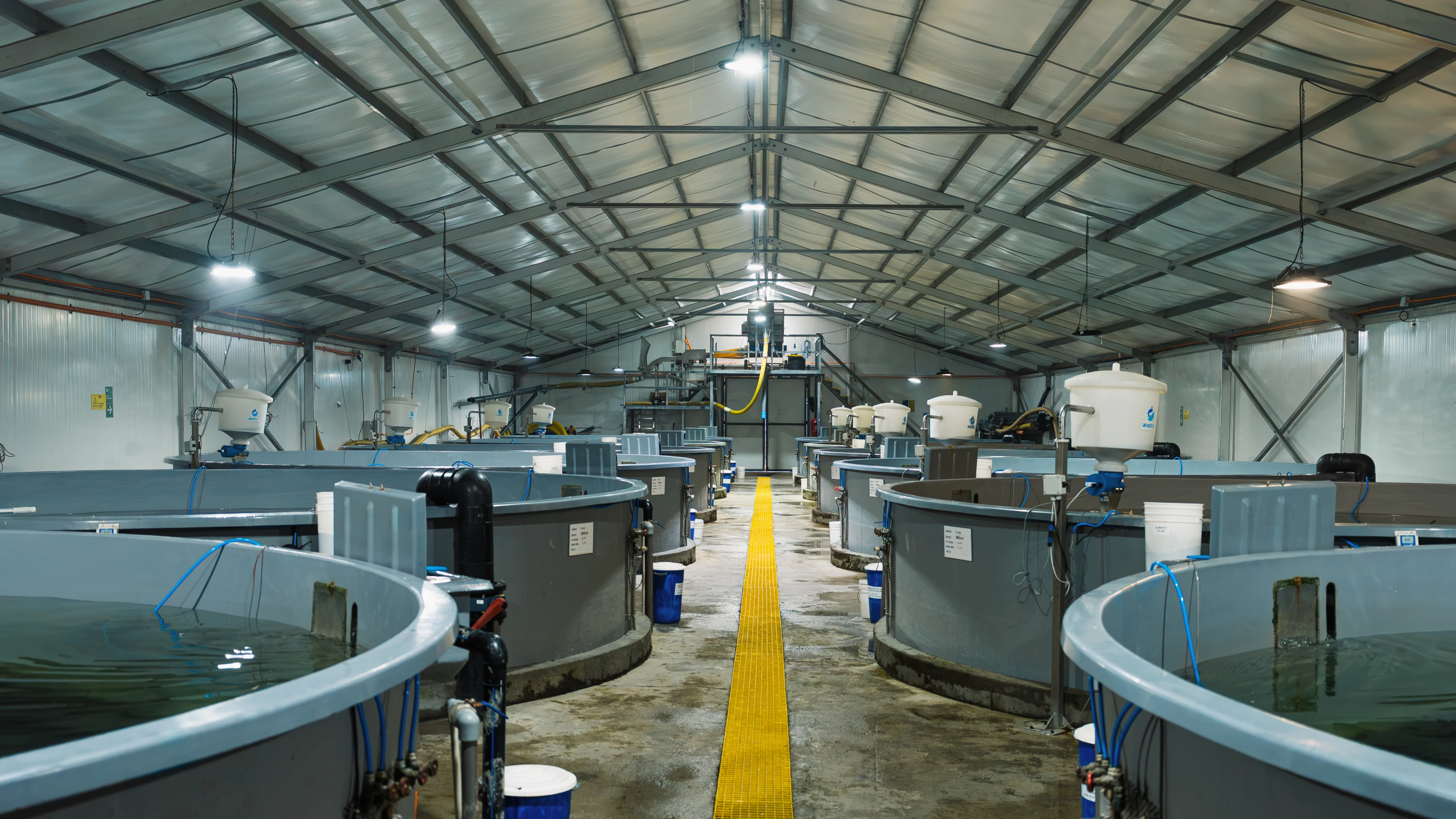
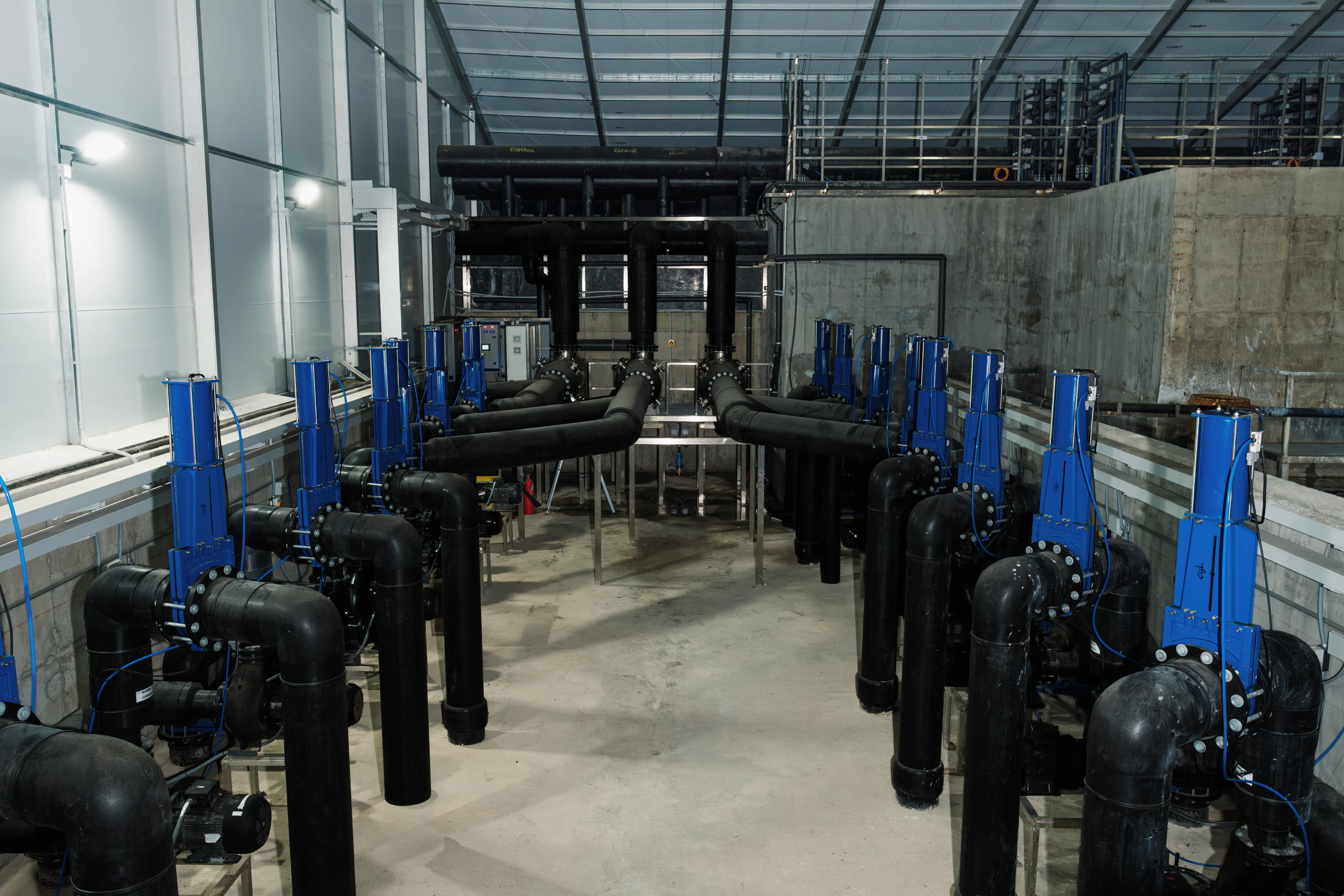
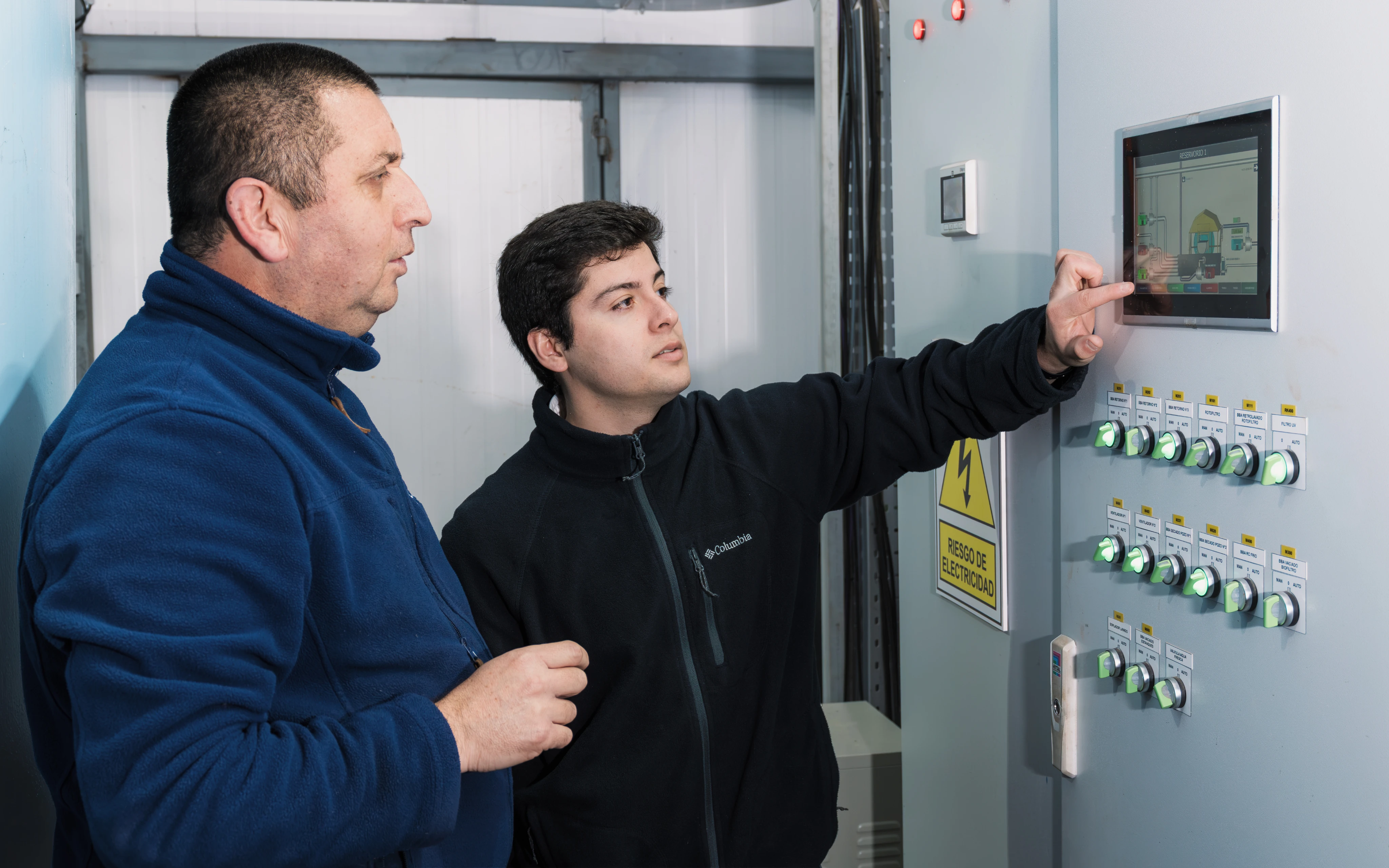
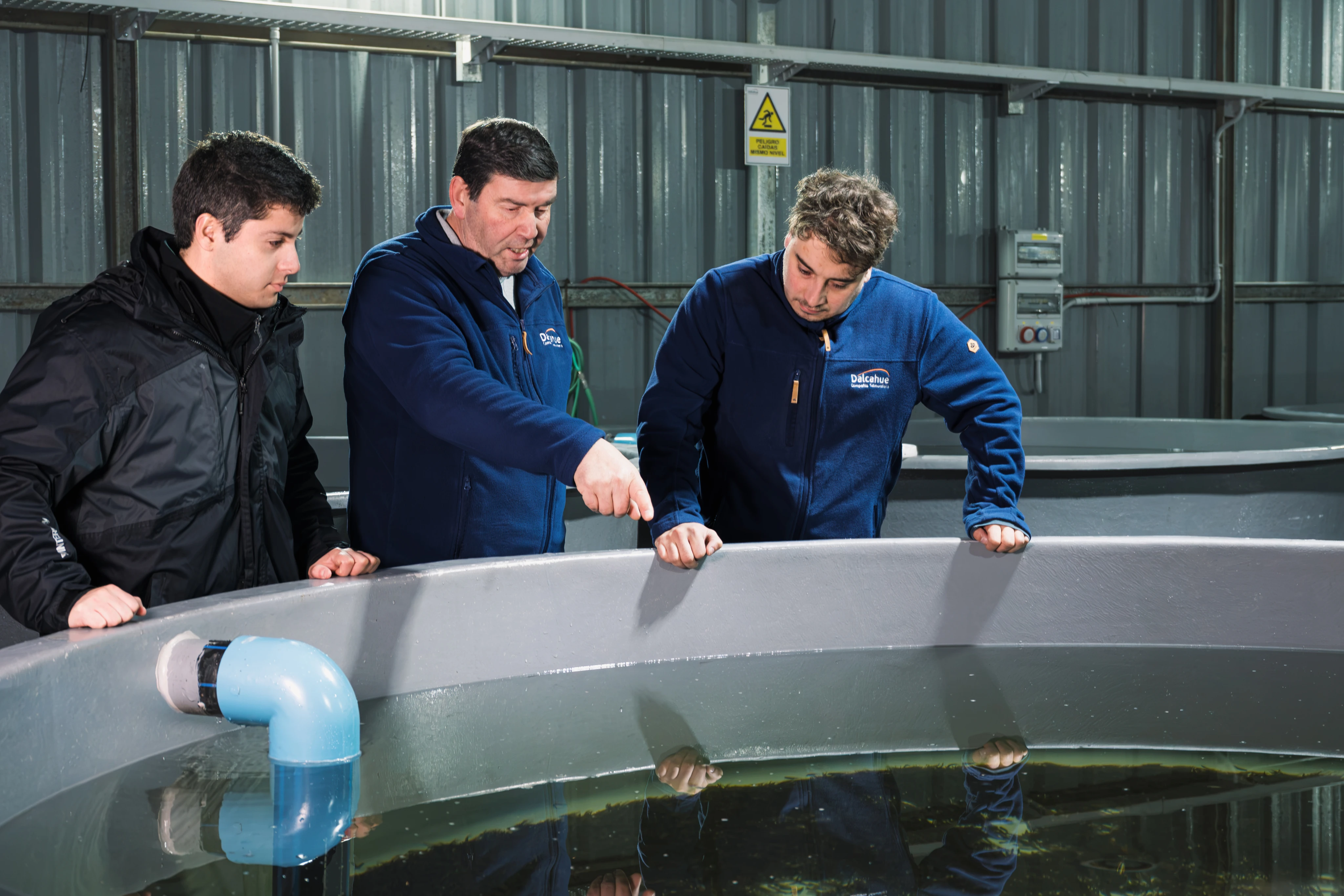
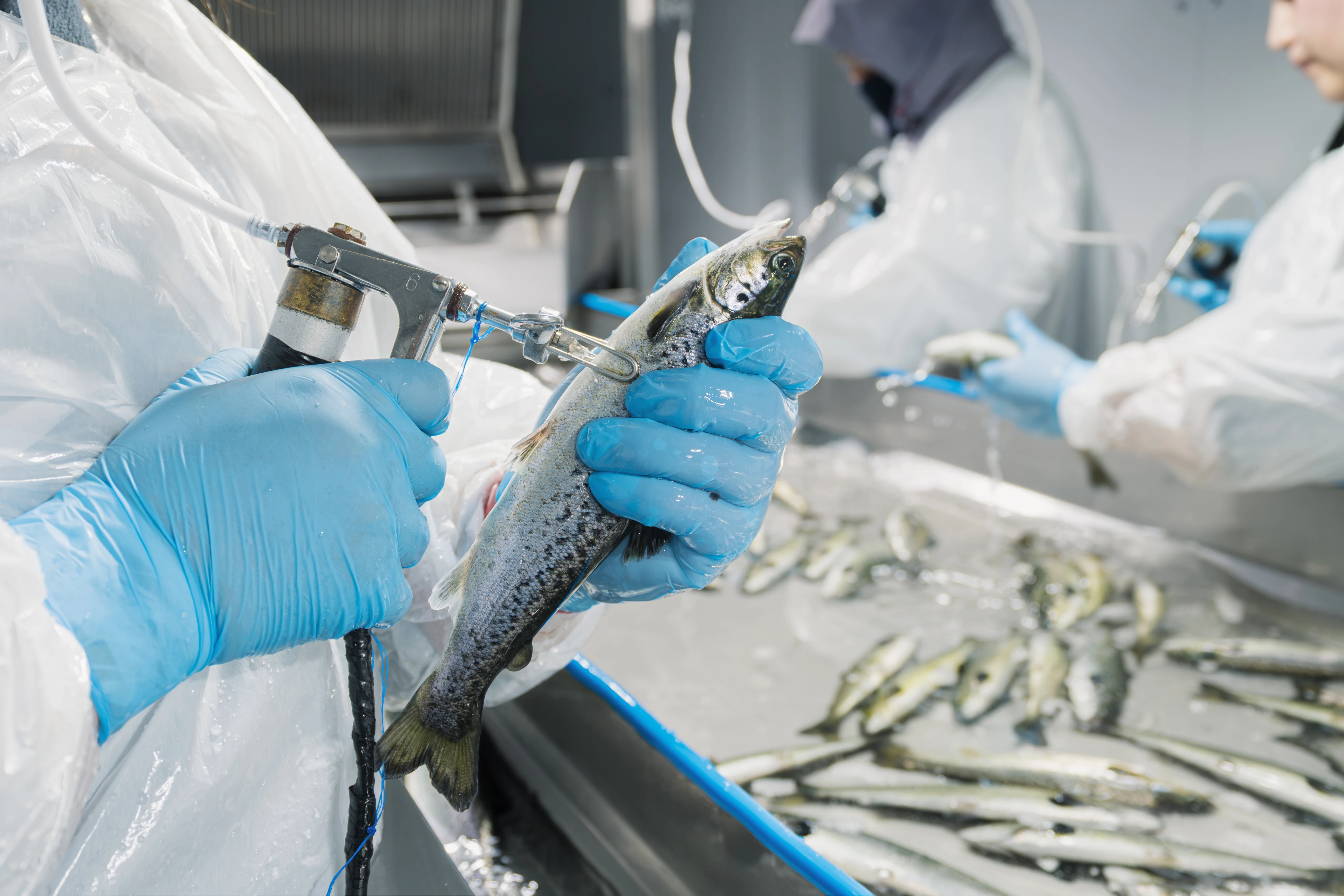
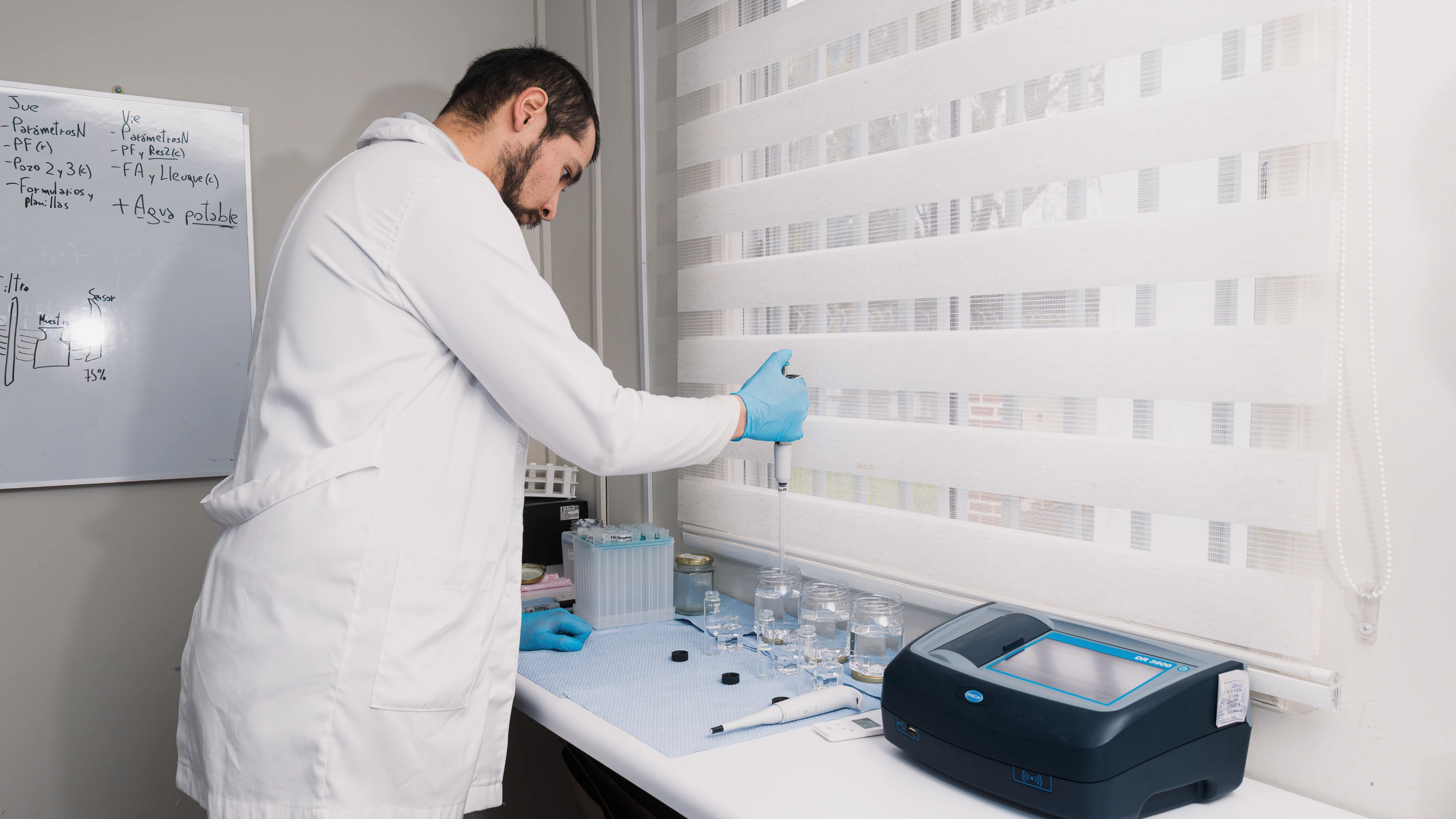
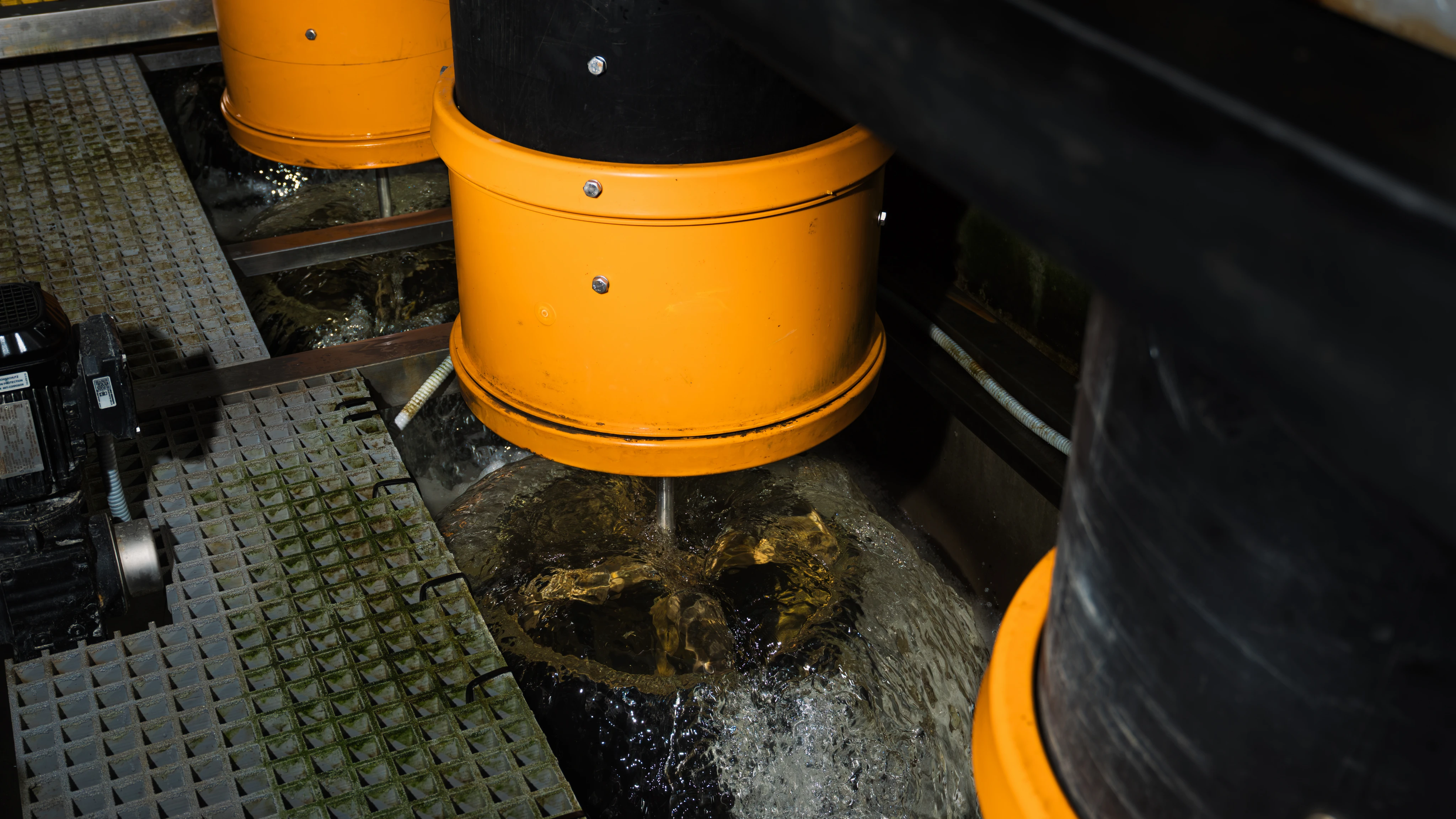
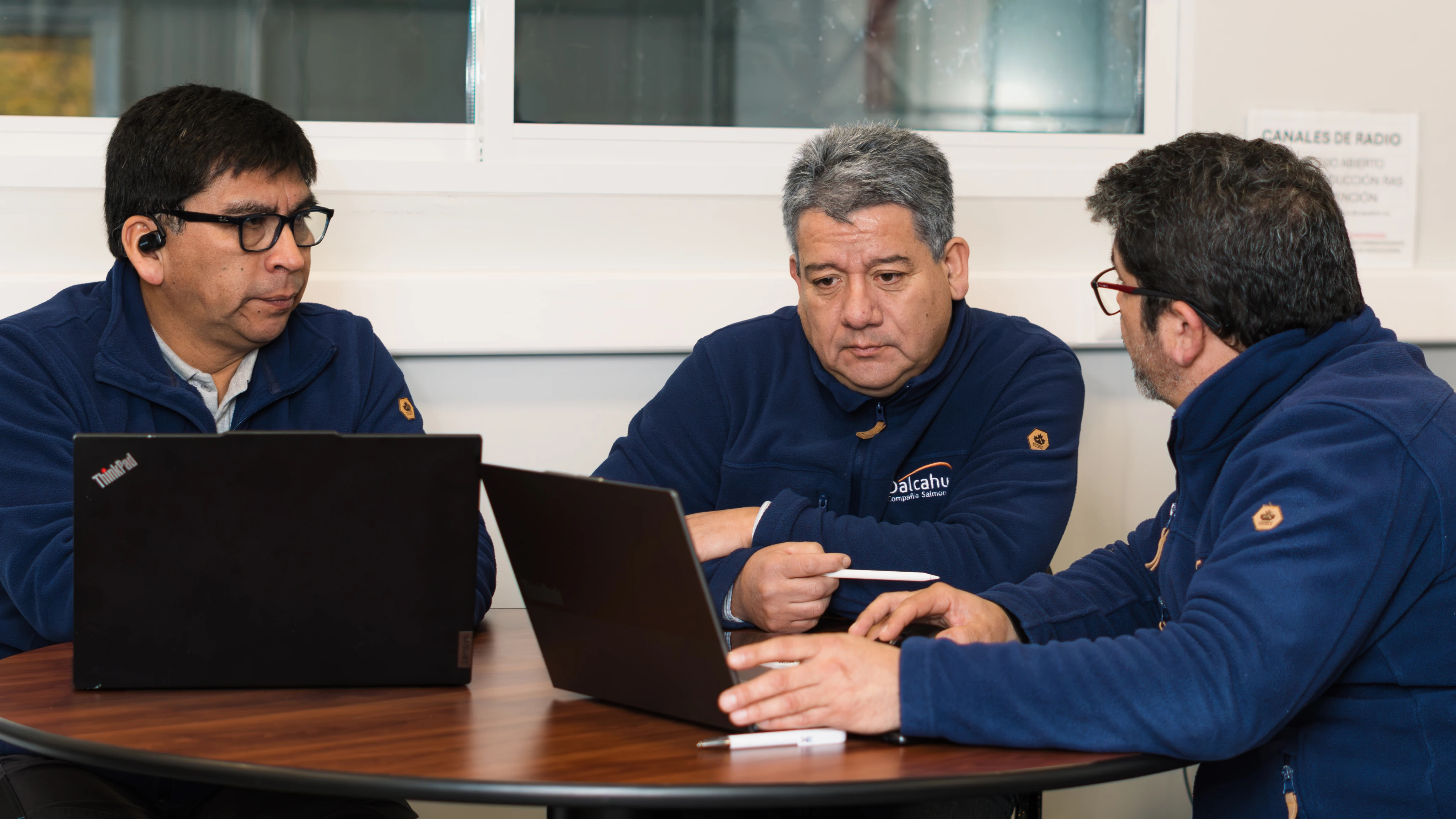
Production focused on high standards of biosecurity, technological innovation, sustainability, and animal welfare.