1988
First hatchery.
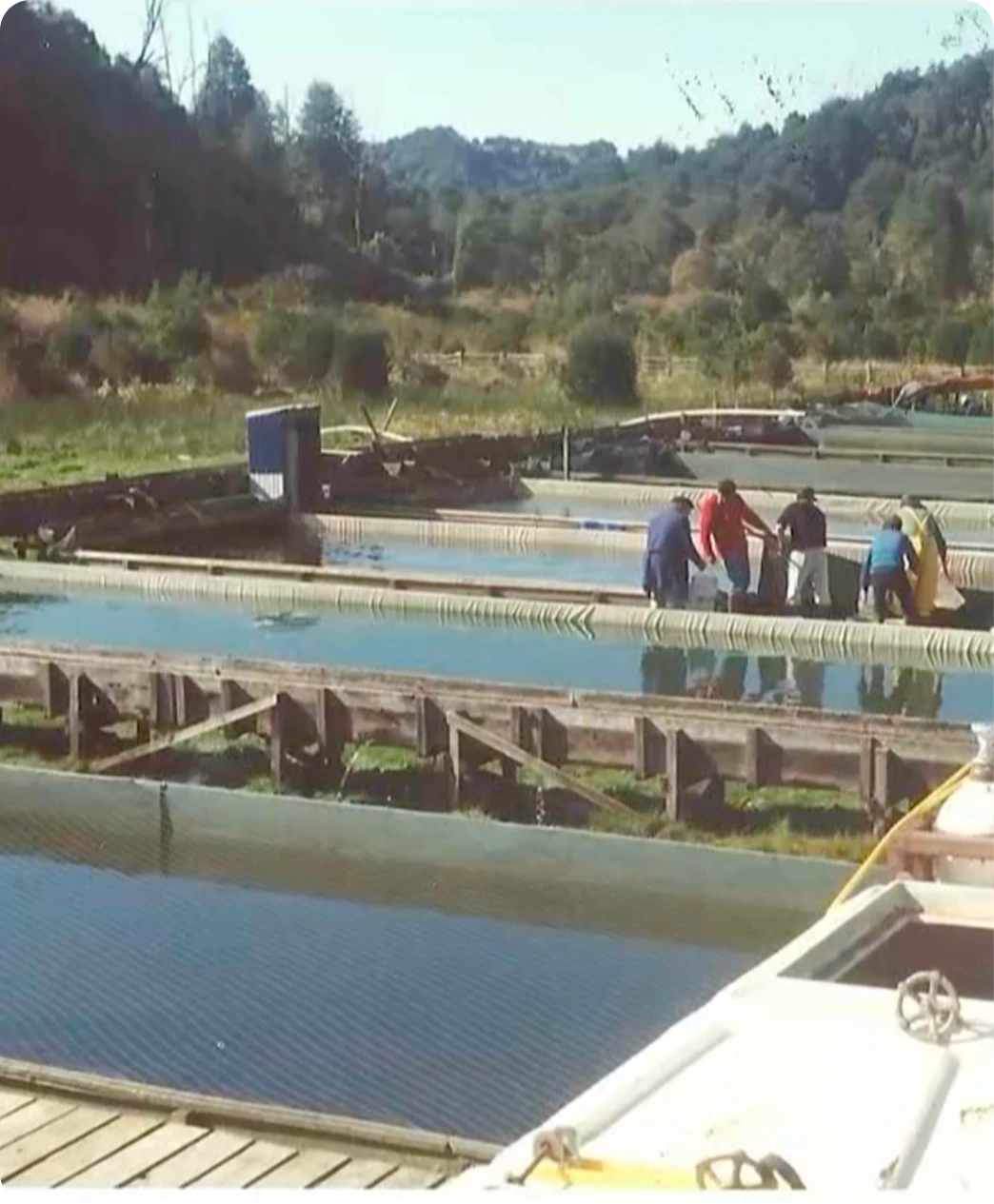
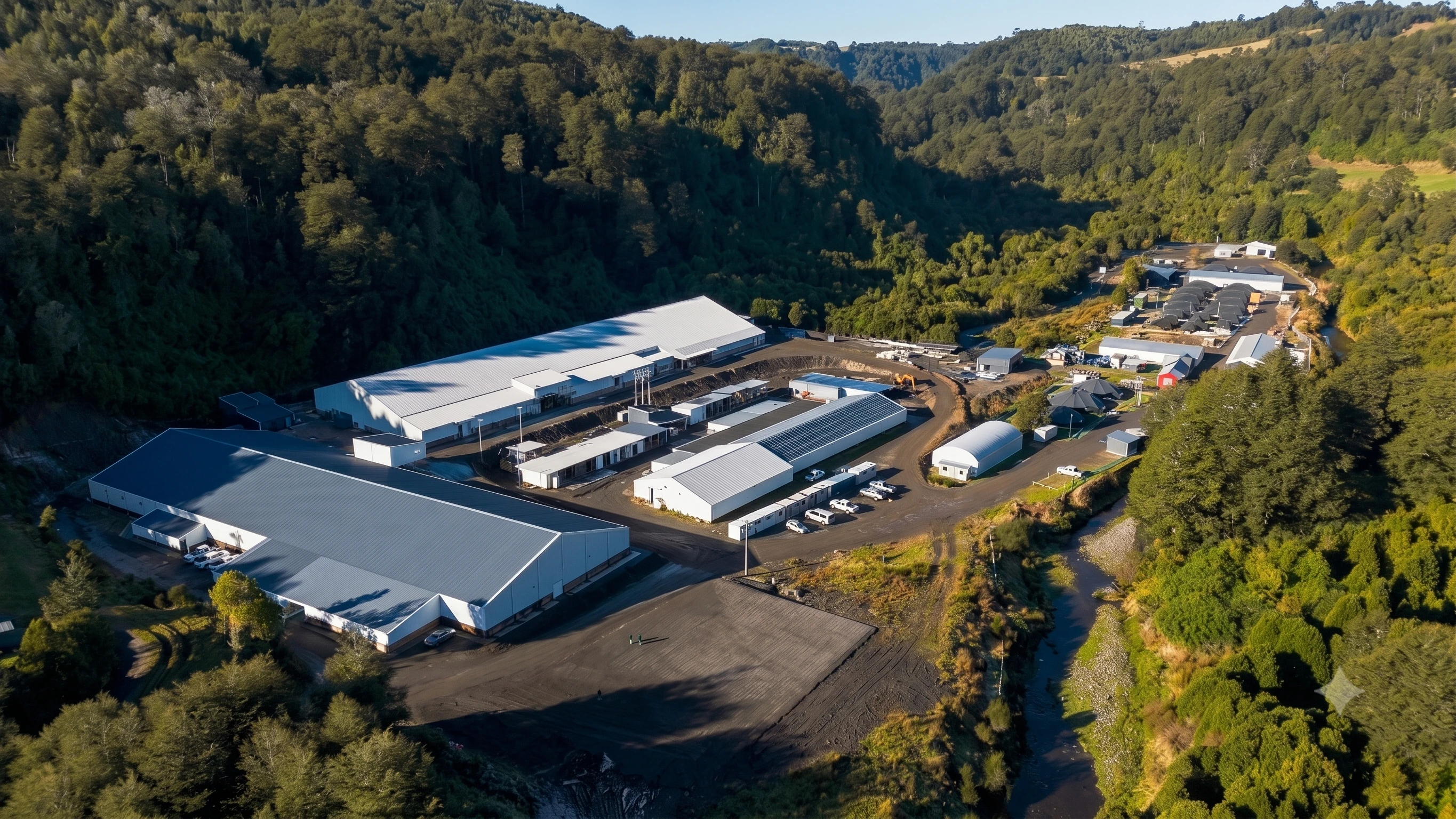
Our experience is reflected in a network of production sites developed and operated across southern Chile, combining infrastructure, technology, and applied knowledge.
38+ years
In active operation
9 hatcheries
Across three regions of Chile
22,270 m³
Installed volume
2,560 t
Biomass capacity
1988
First hatchery.
2000
Regional expansion.
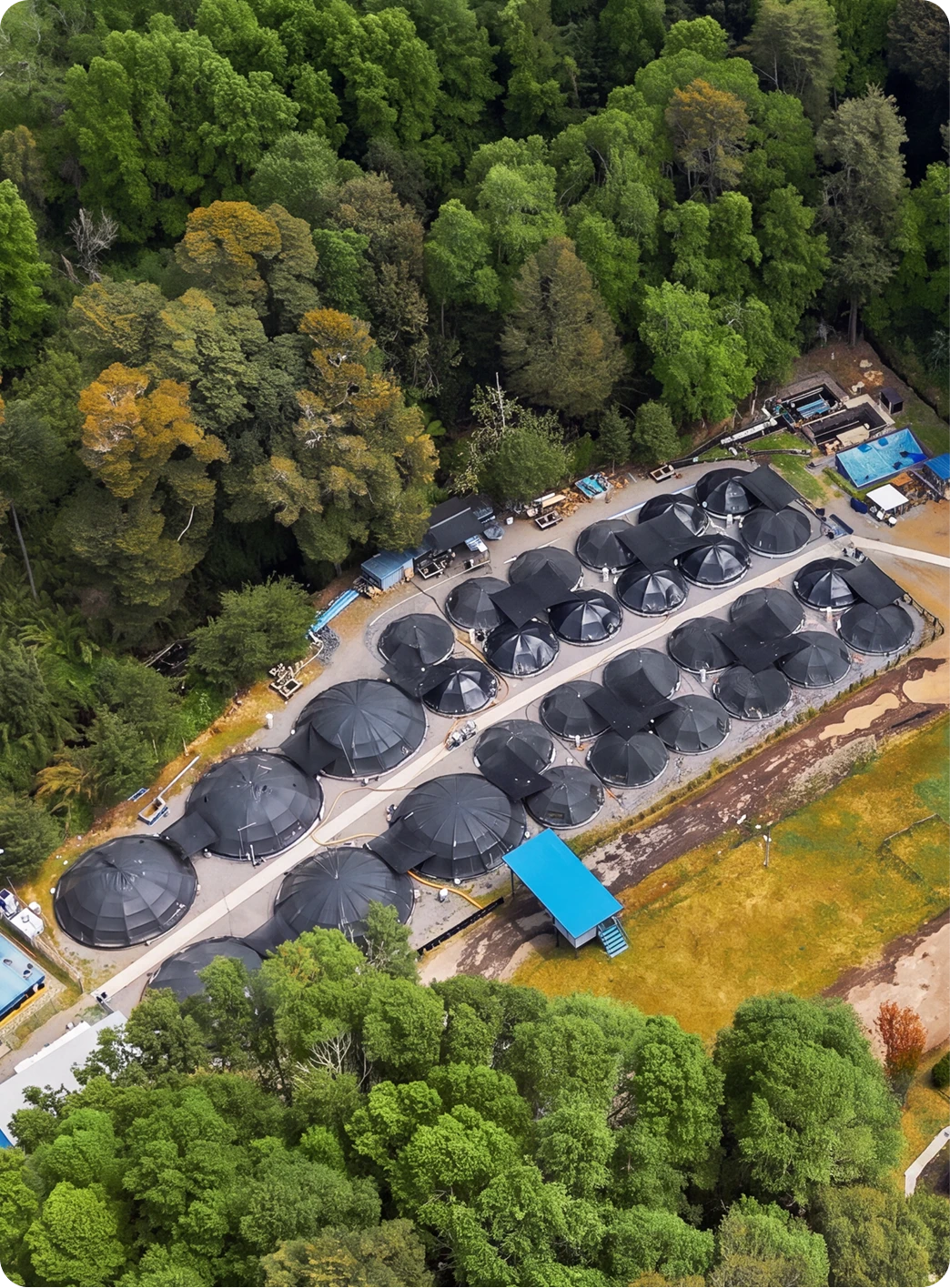
2007
RAS implementation.
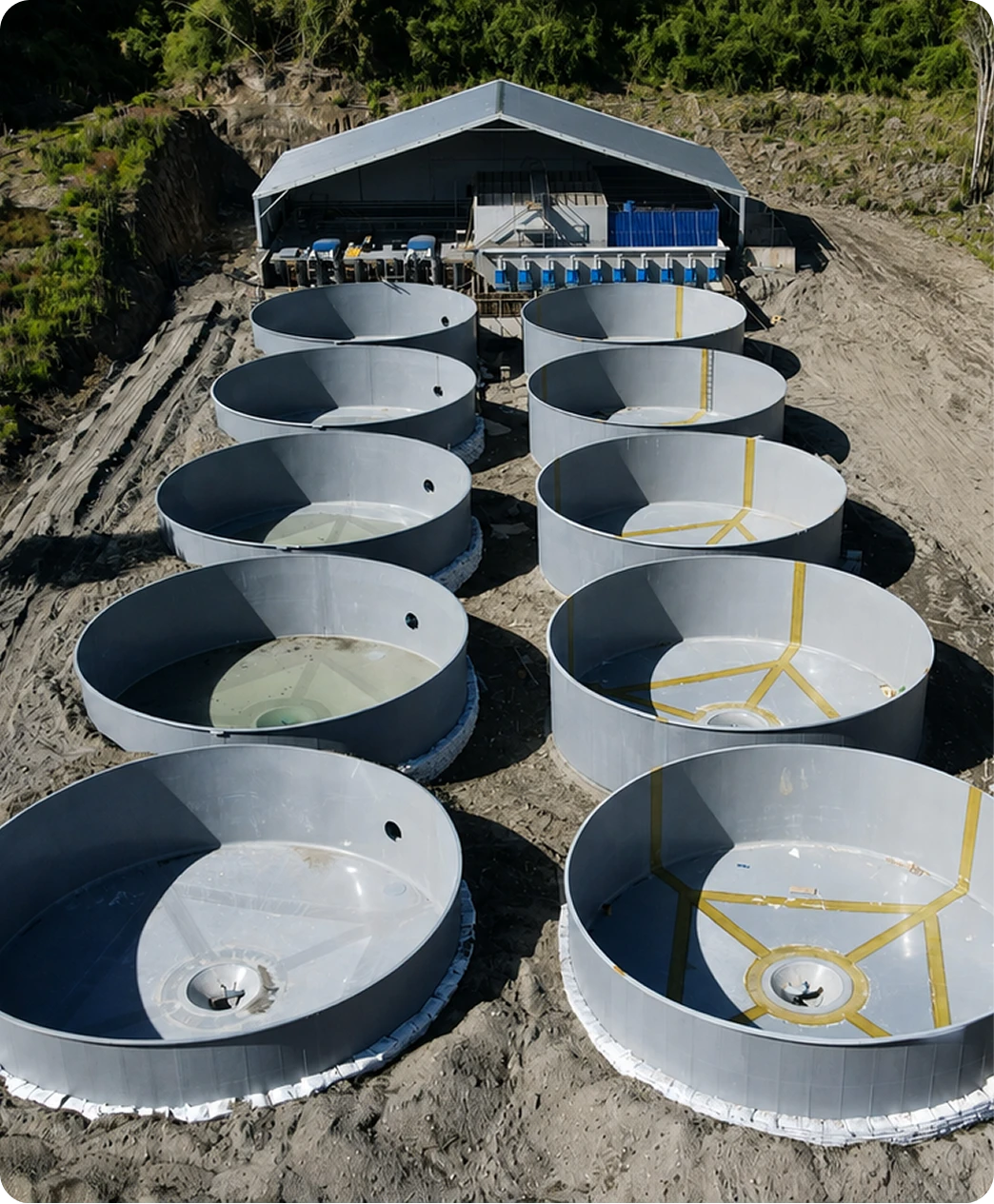
2014
Tierra del Fuego project — a project for a third party
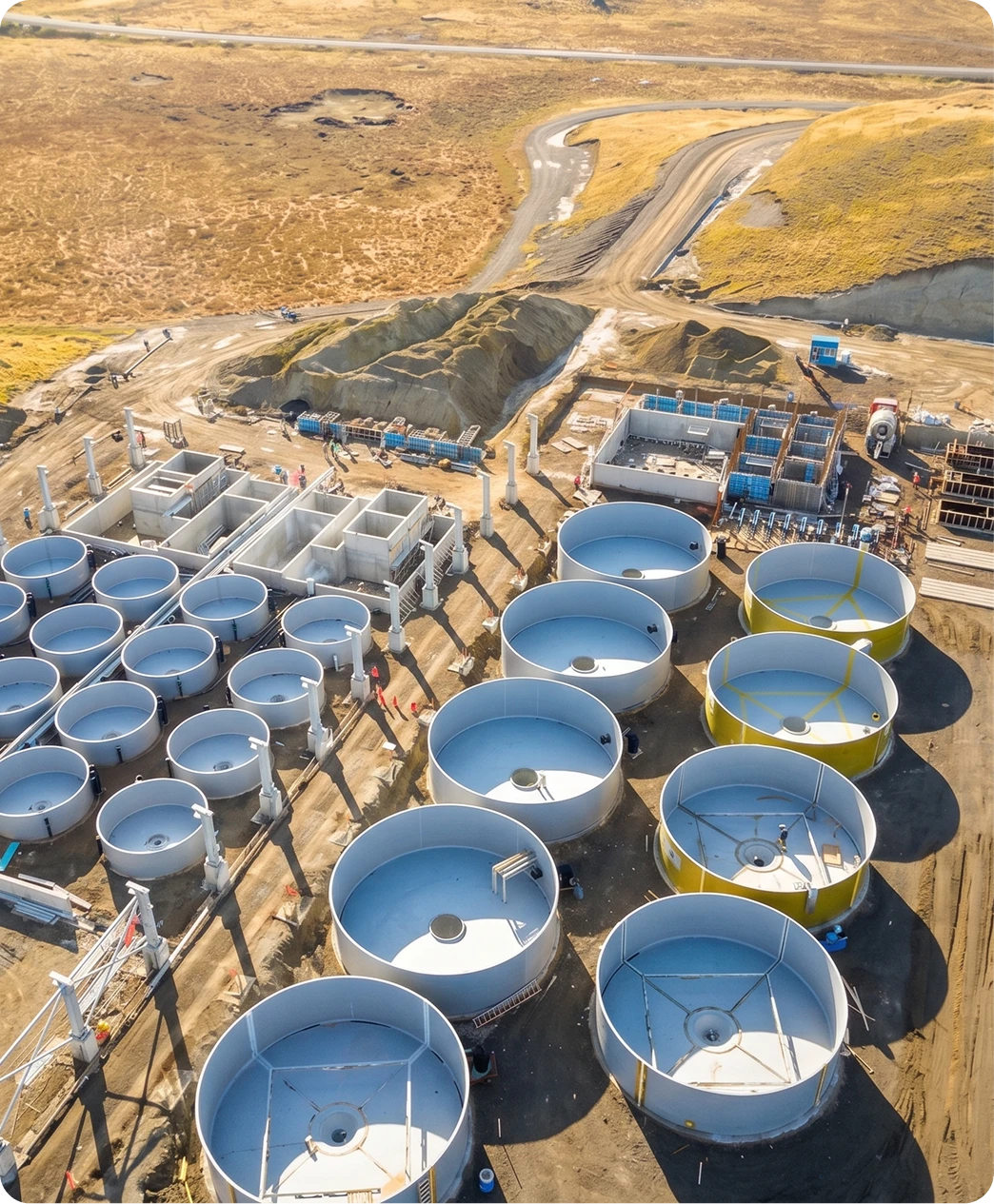
2019
Start of the renewal at Quillaico
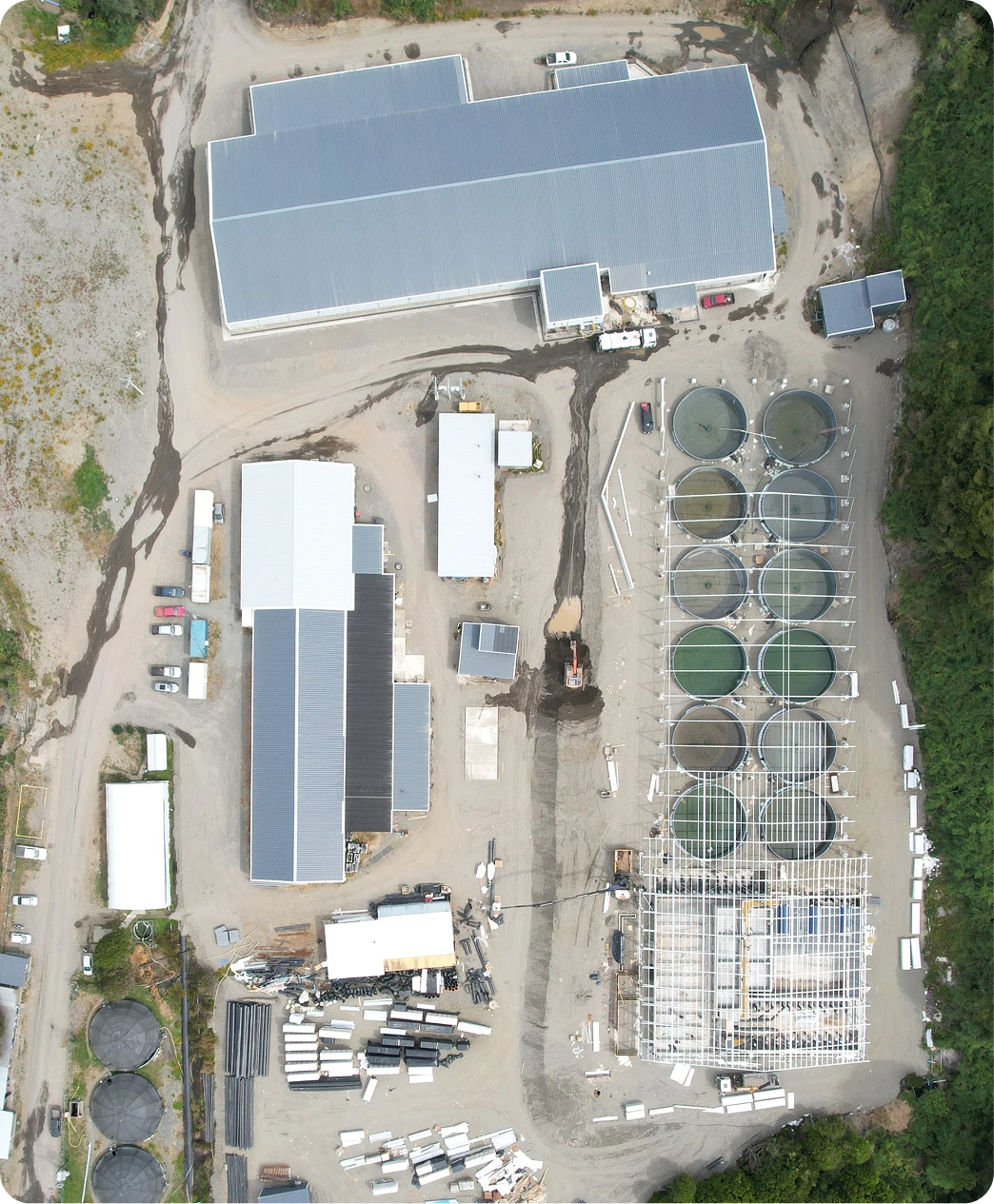
2023
Production increase in the fry room
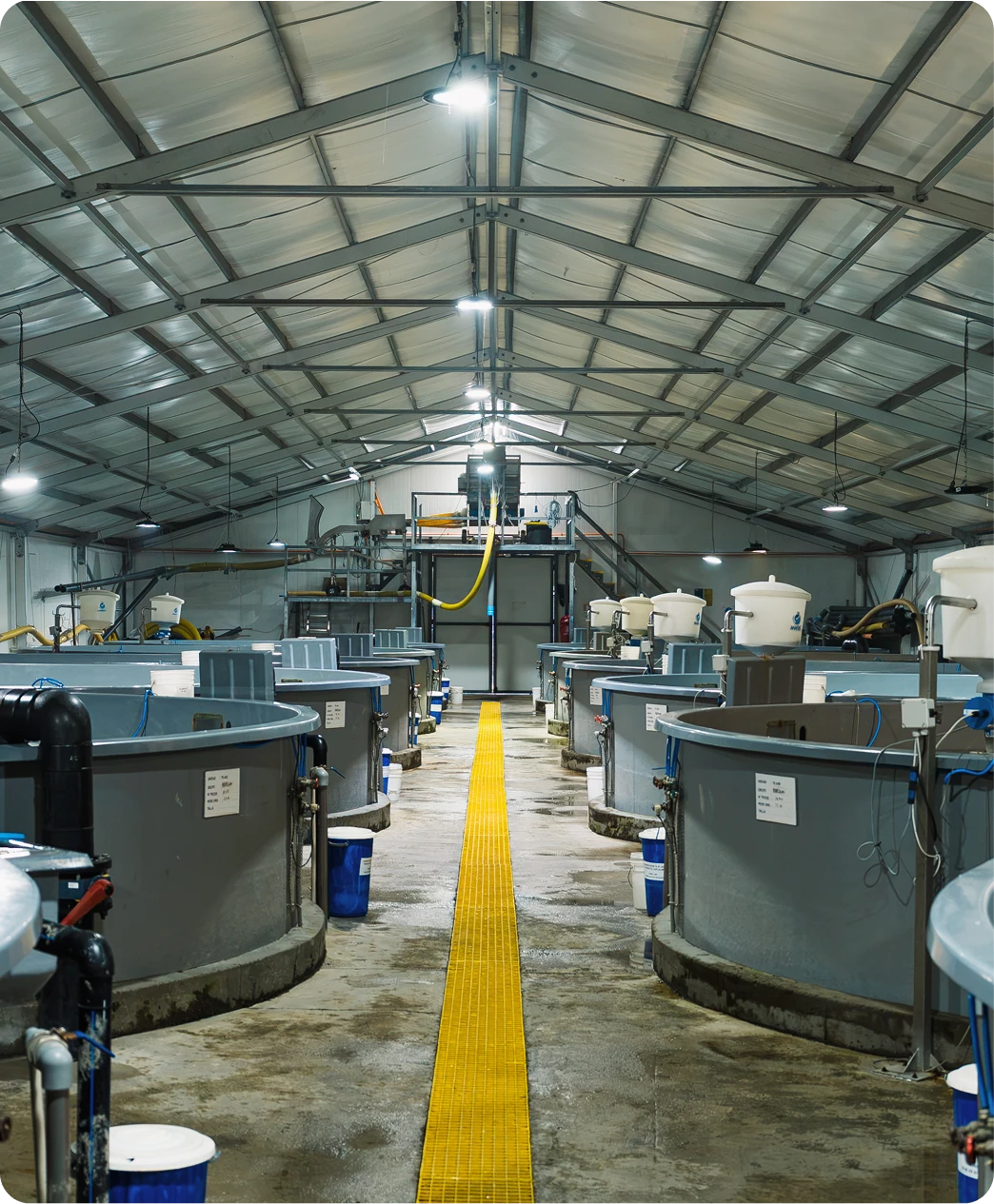
2025
Production increase in the smoltification room
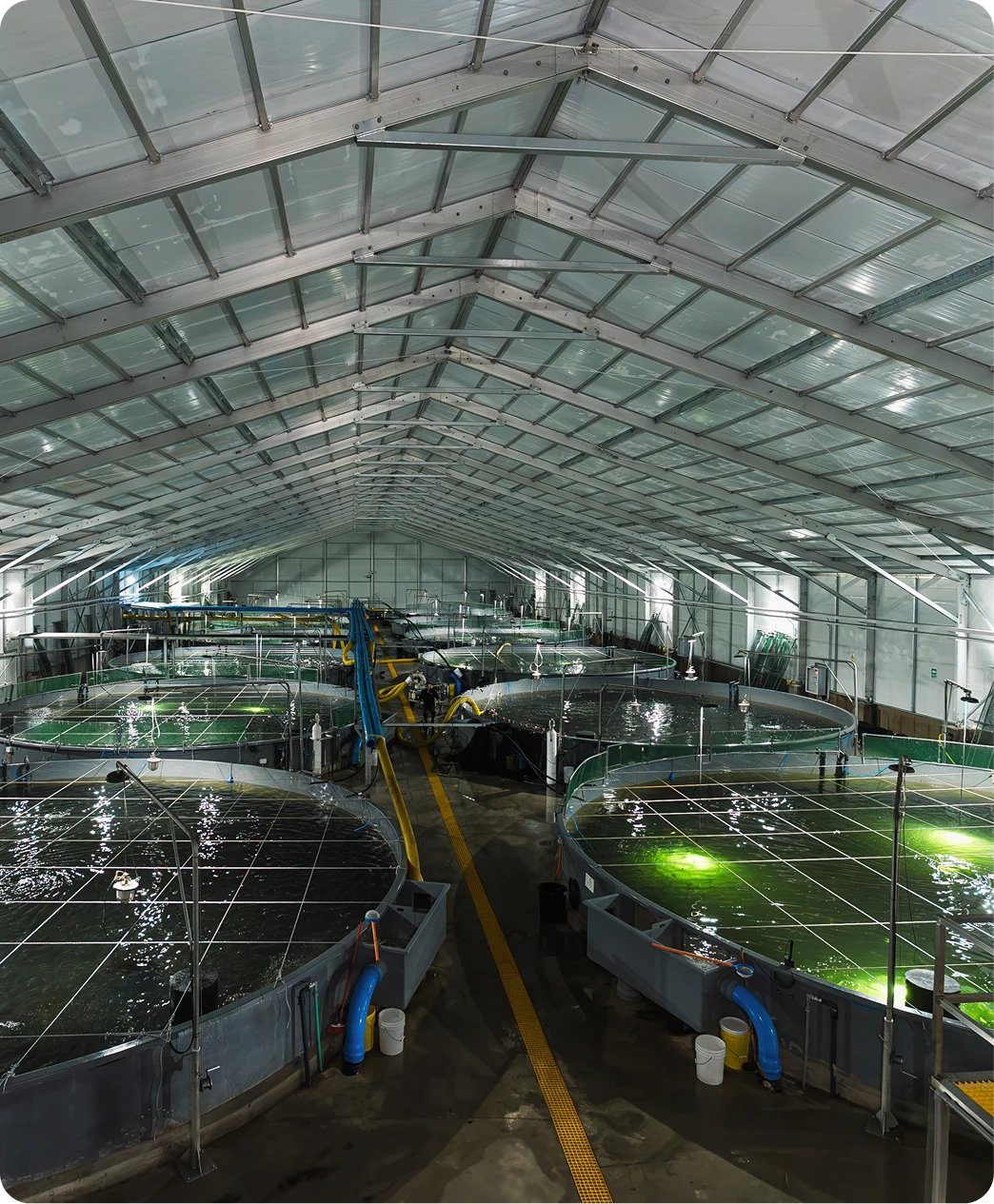
2026
Conversion from flow-through to RAS
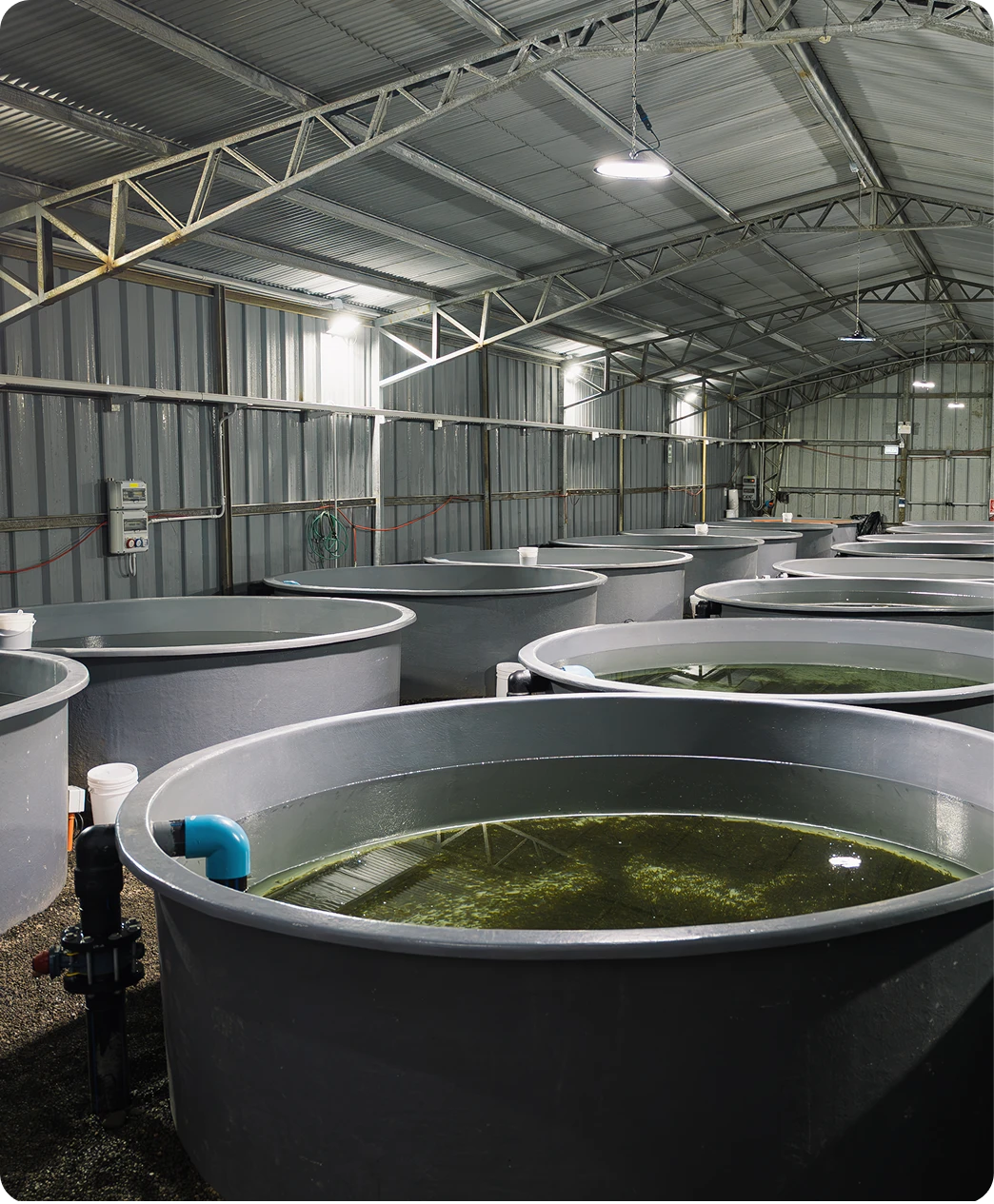
9 sites. 2,560 tonnes of installed capacity.
A site specialized in recirculation and water efficiency for high-demand operations.
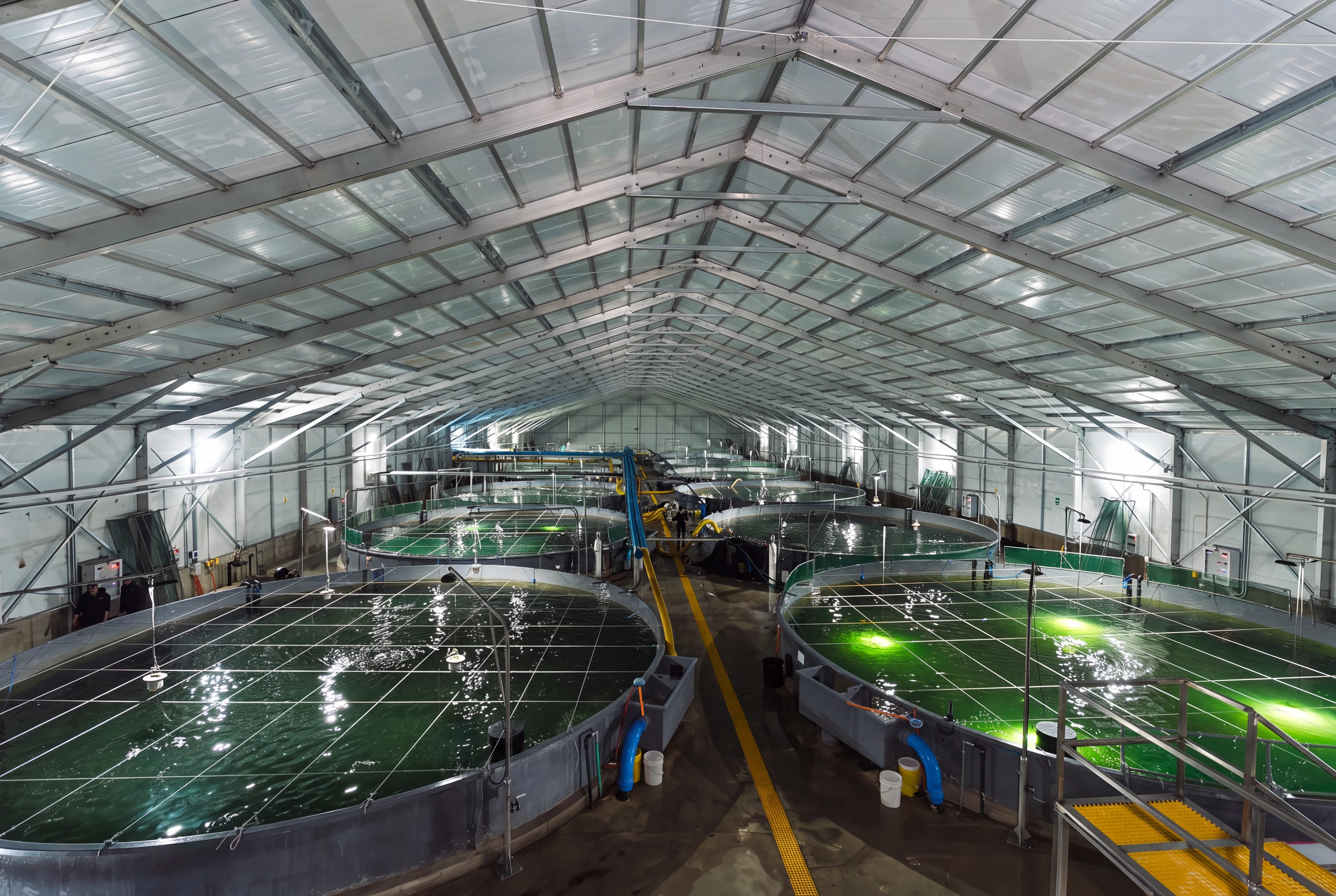


To put more than 35 years of knowledge and experience into the design and construction of a hatchery that stands apart from others in the industry.
A hatchery was built to a high standard in facilities, control, energy efficiency, and waste handling.
A modern, efficient hatchery was developed, with technologies that optimize production and resource use.
Accumulated experience and new technologies make it possible to develop more efficient and sustainable facilities.
A site focused on process optimization and production growth.
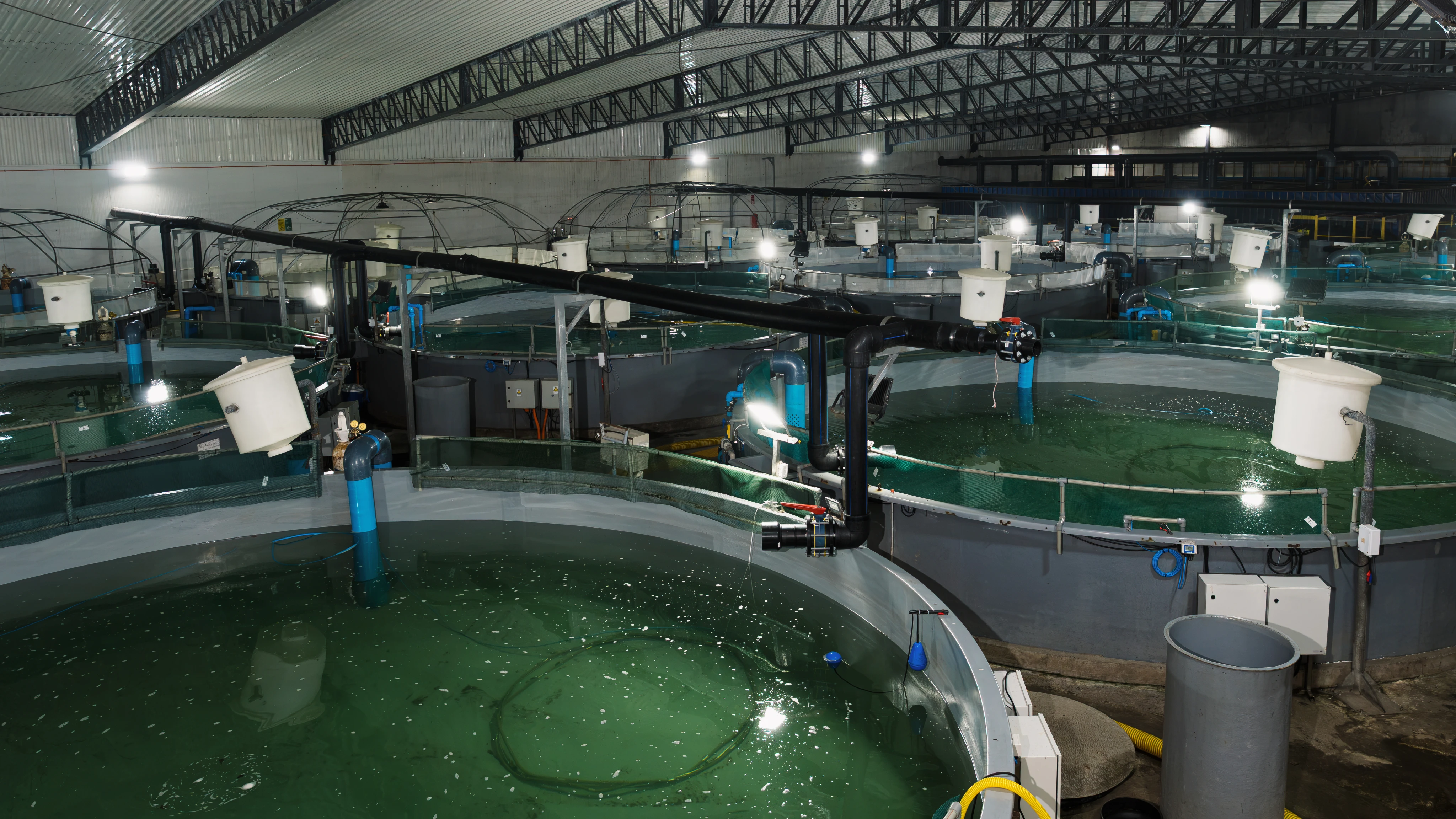
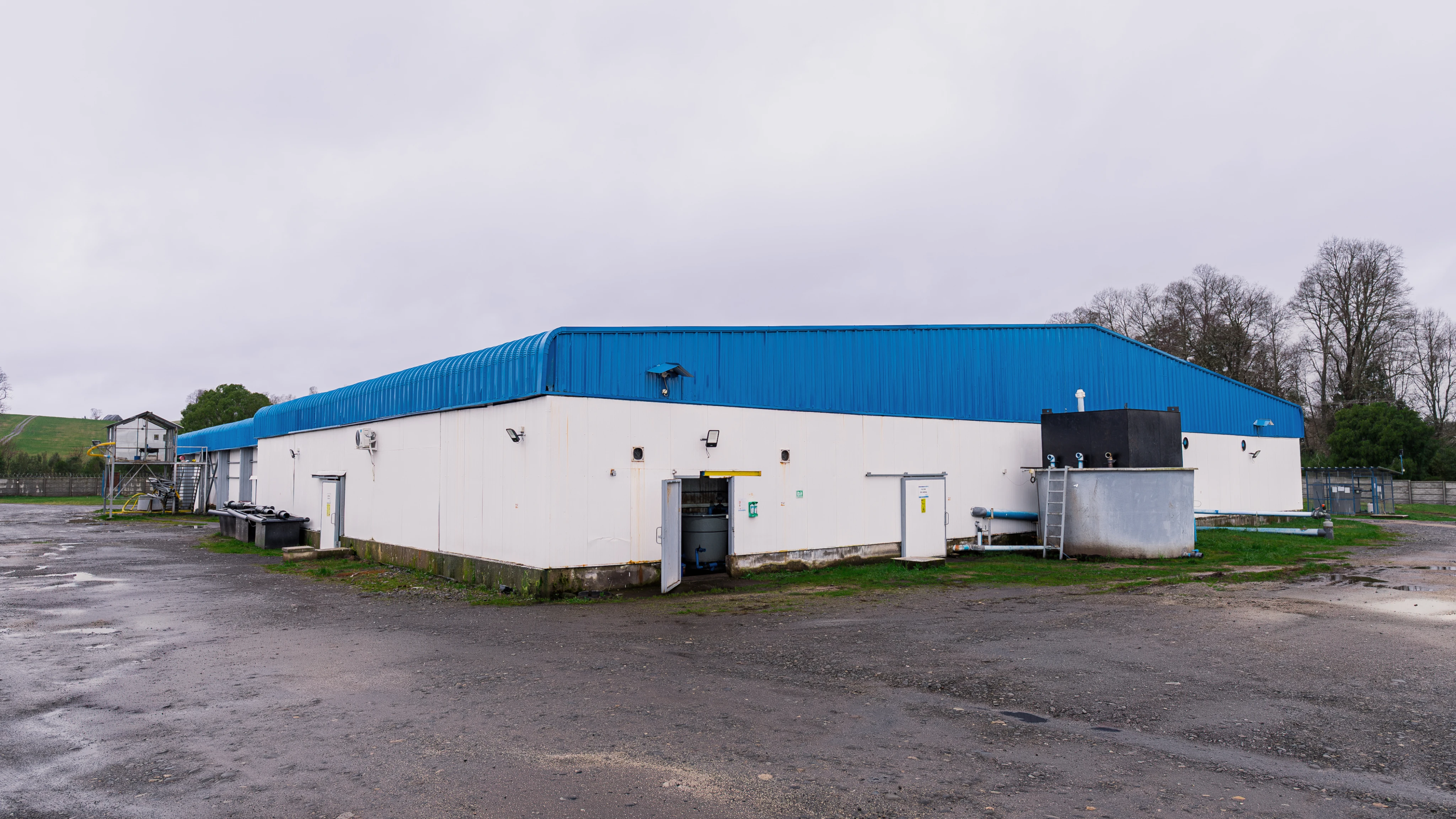
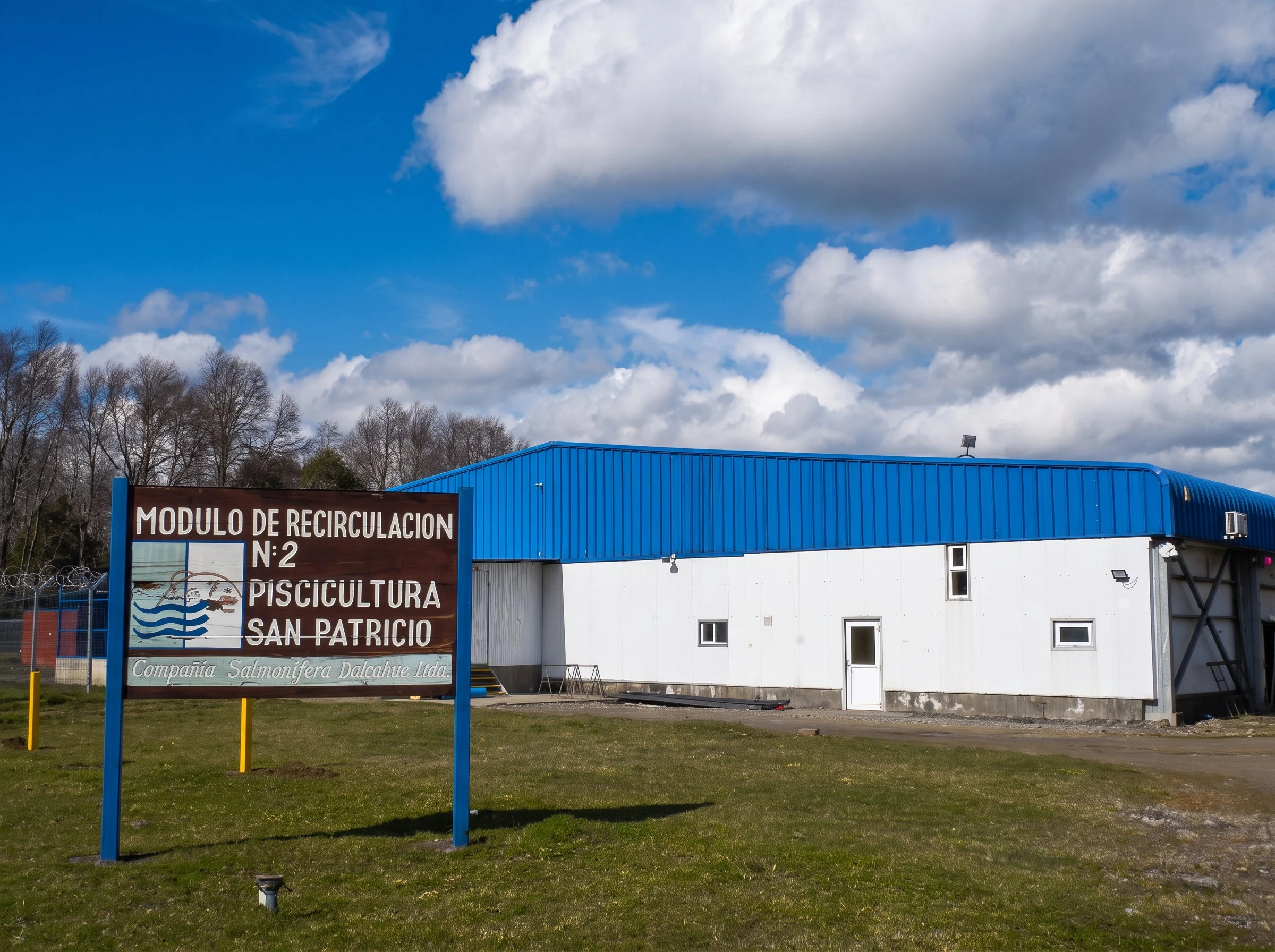
To replicate the construction of San Patricio RC1, expanding its capacity and adding improvements that make the system more efficient and safer in facilities, water quality, smolt quality, and energy efficiency.
Lessons from RC1 were incorporated, with improvements in design, processes, control, and operational efficiency.
Production capacity increased, with greater safety, stability, and recirculation efficiency.
The experience of one project reduces uncertainty and improves the results of the next ones.
Infrastructure designed to ensure stability and operational continuity.
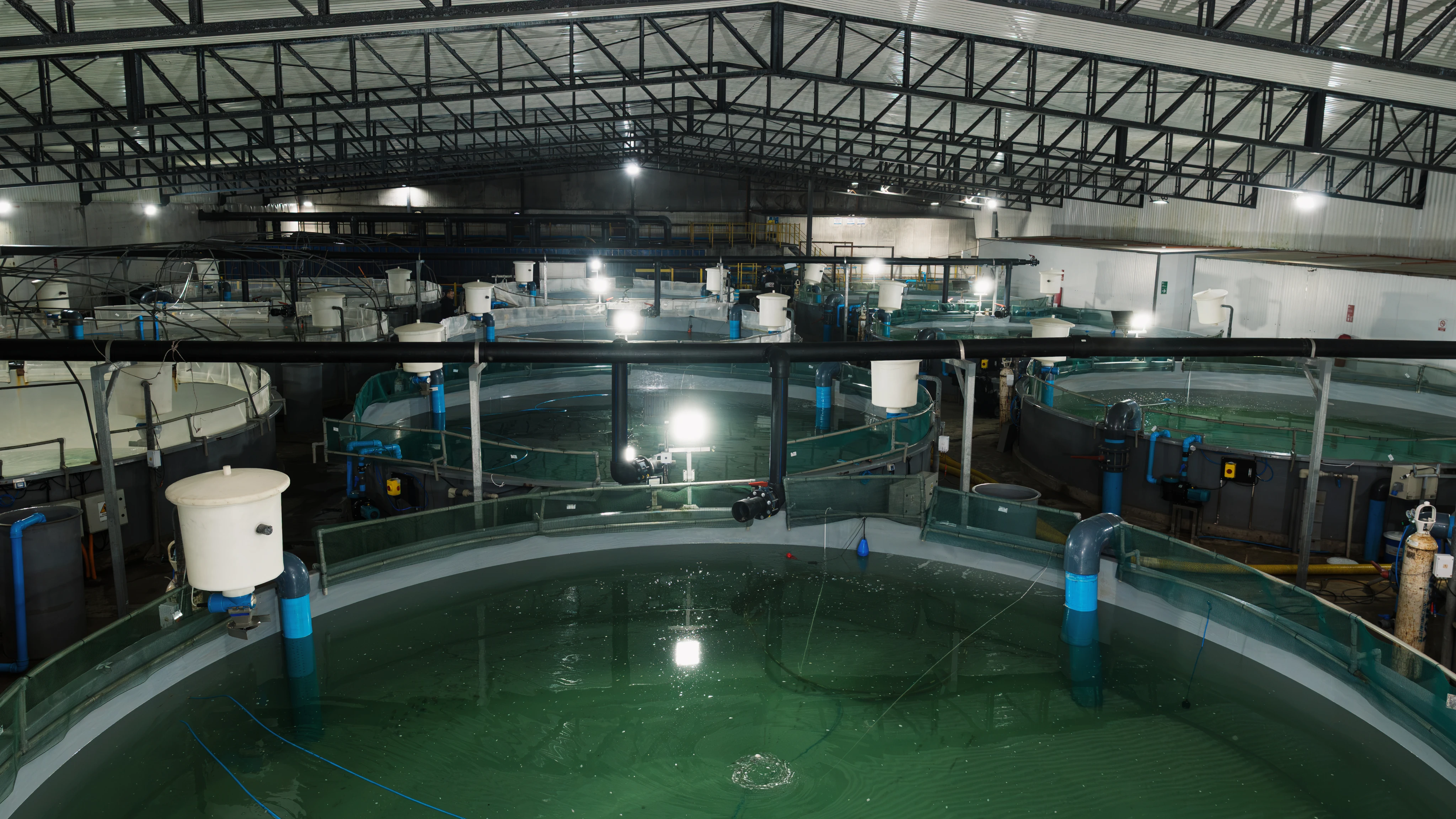
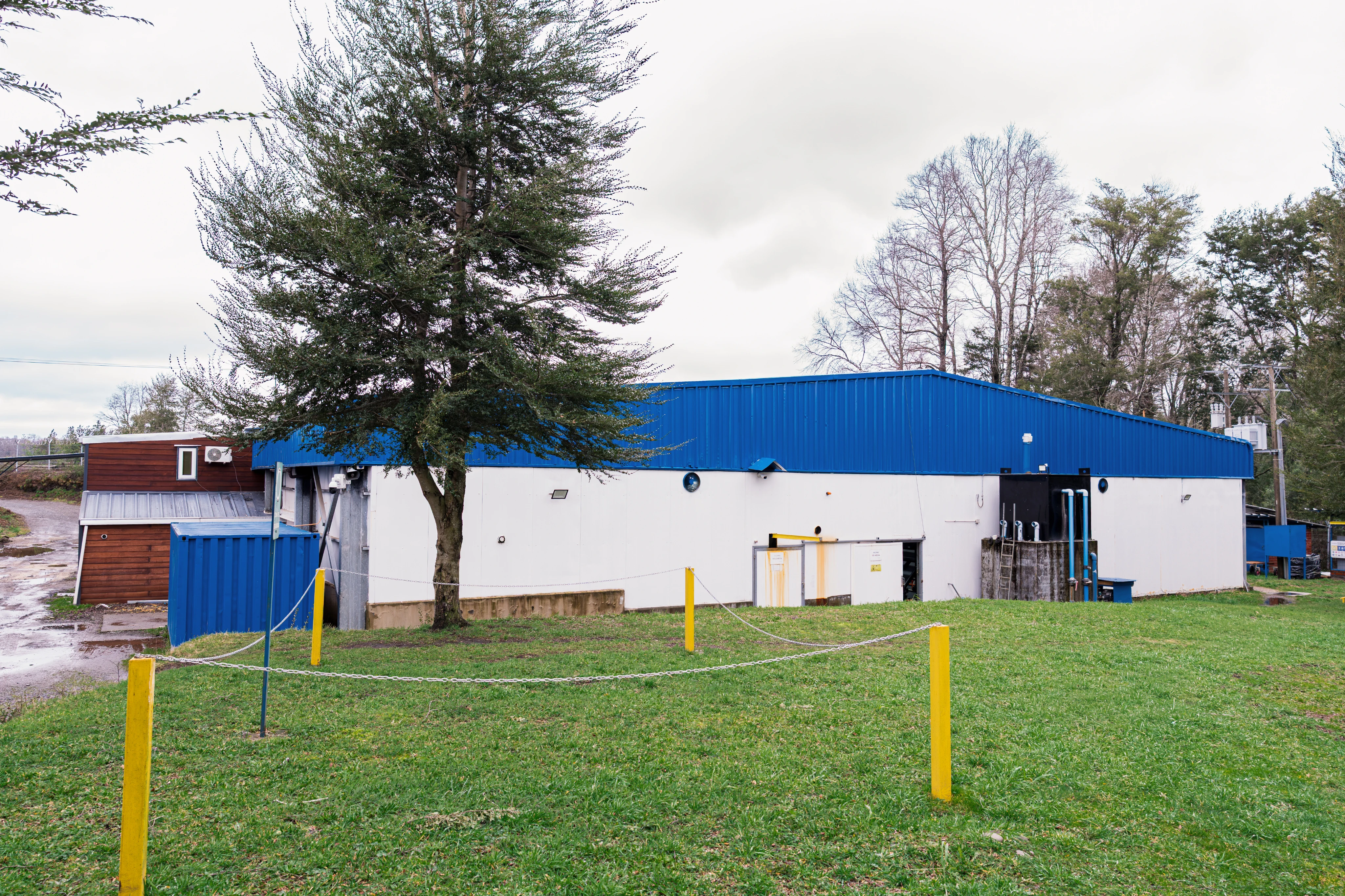
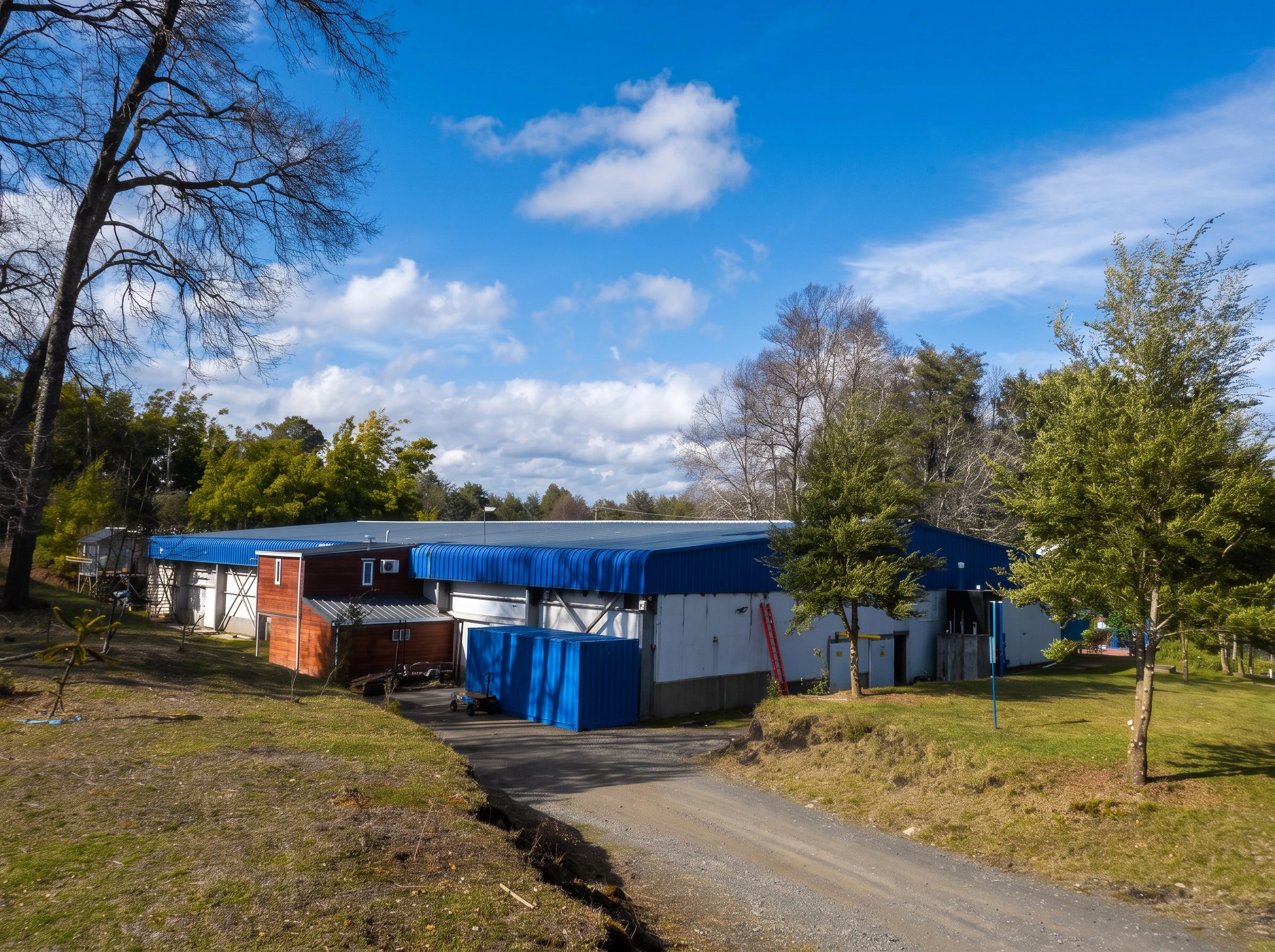
The first recirculation hatchery, where the challenge was to learn and enter the world of recirculation technology.
RAS technology was adopted, internal knowledge was developed, and processes were adapted to the new system.
The first RAS hatchery was implemented and operated, laying the groundwork for future recirculation projects.
Adopting new technologies requires continuous learning and the development of internal capabilities.
A historic operation that reflects decades of experience with freshwater systems.
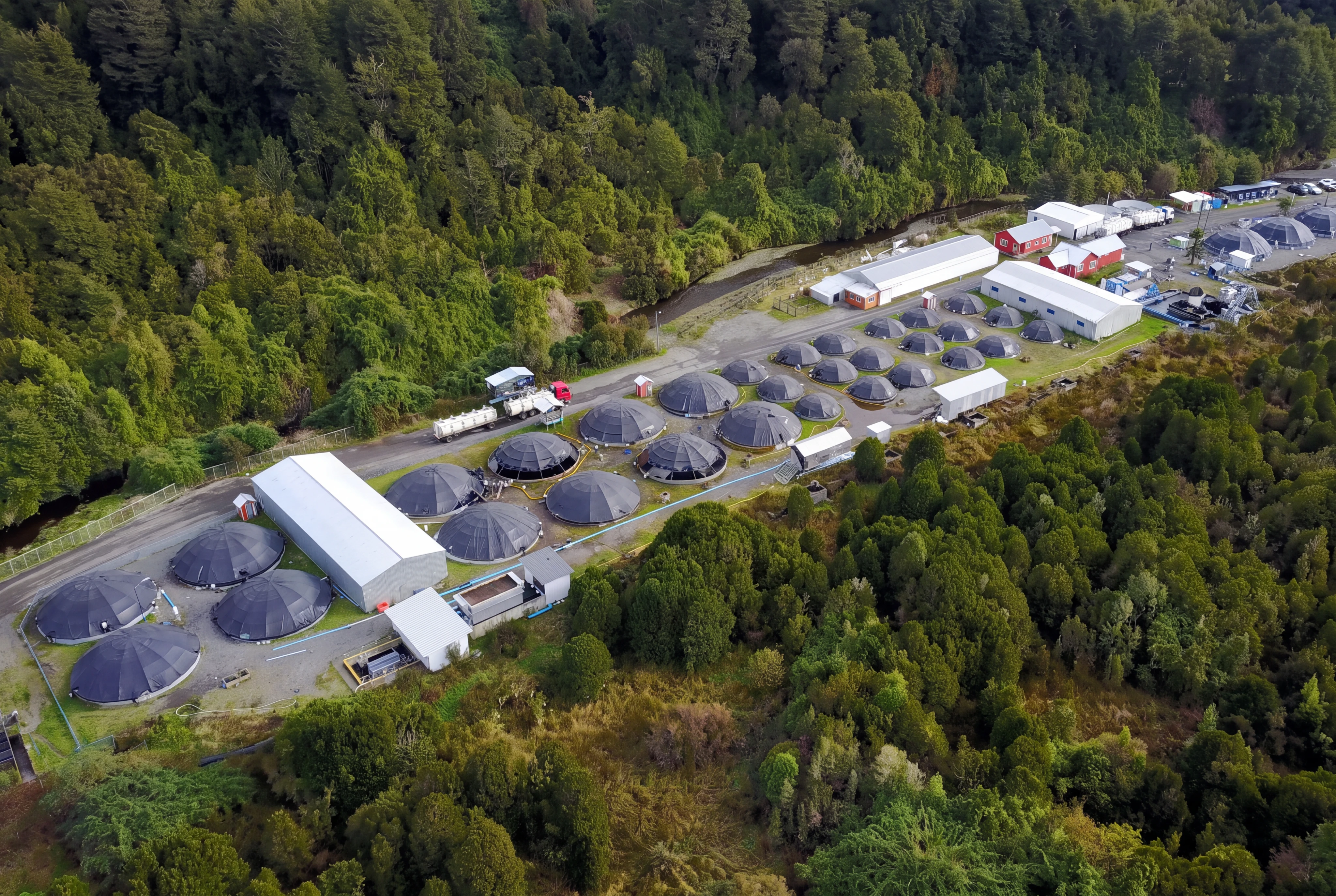
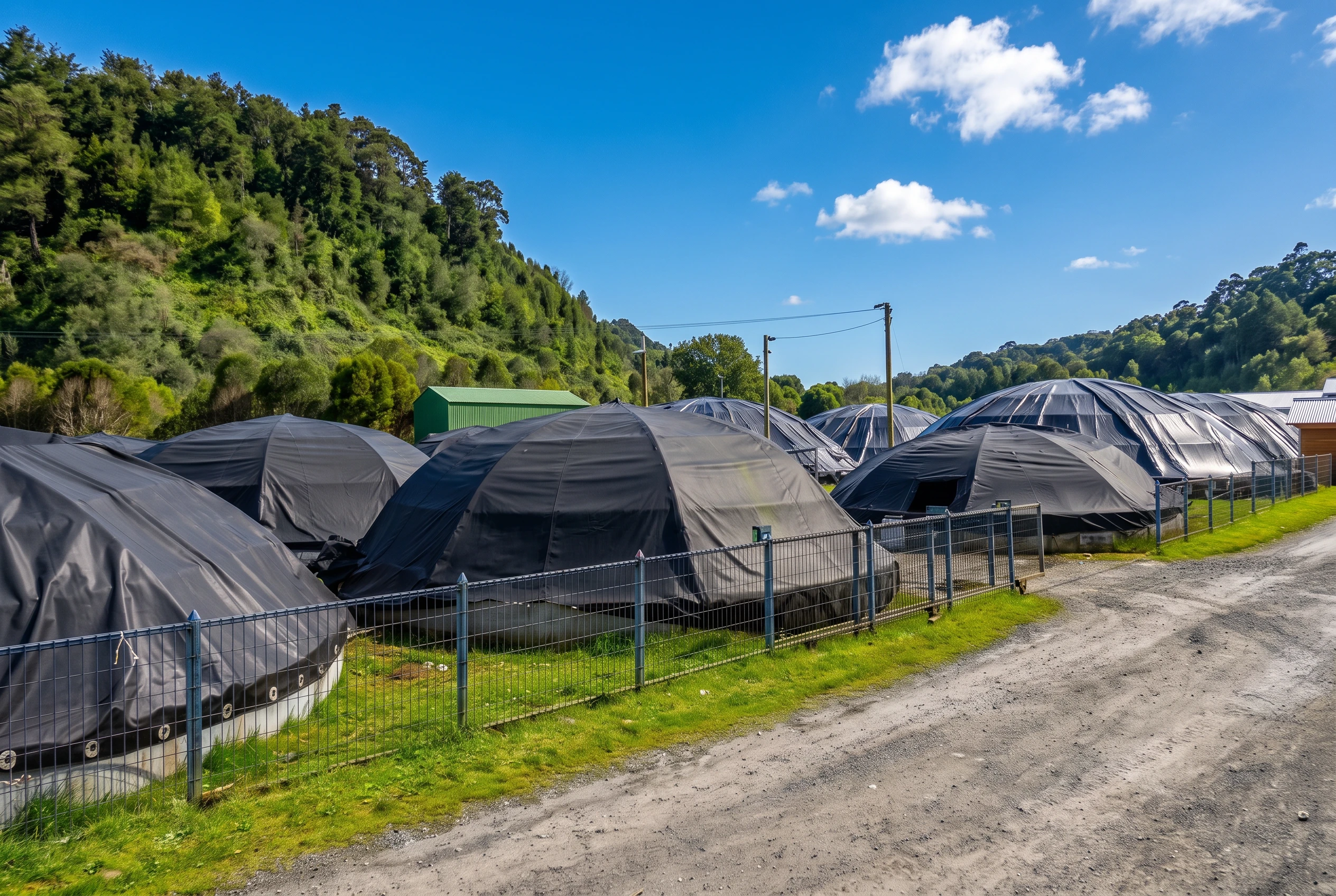
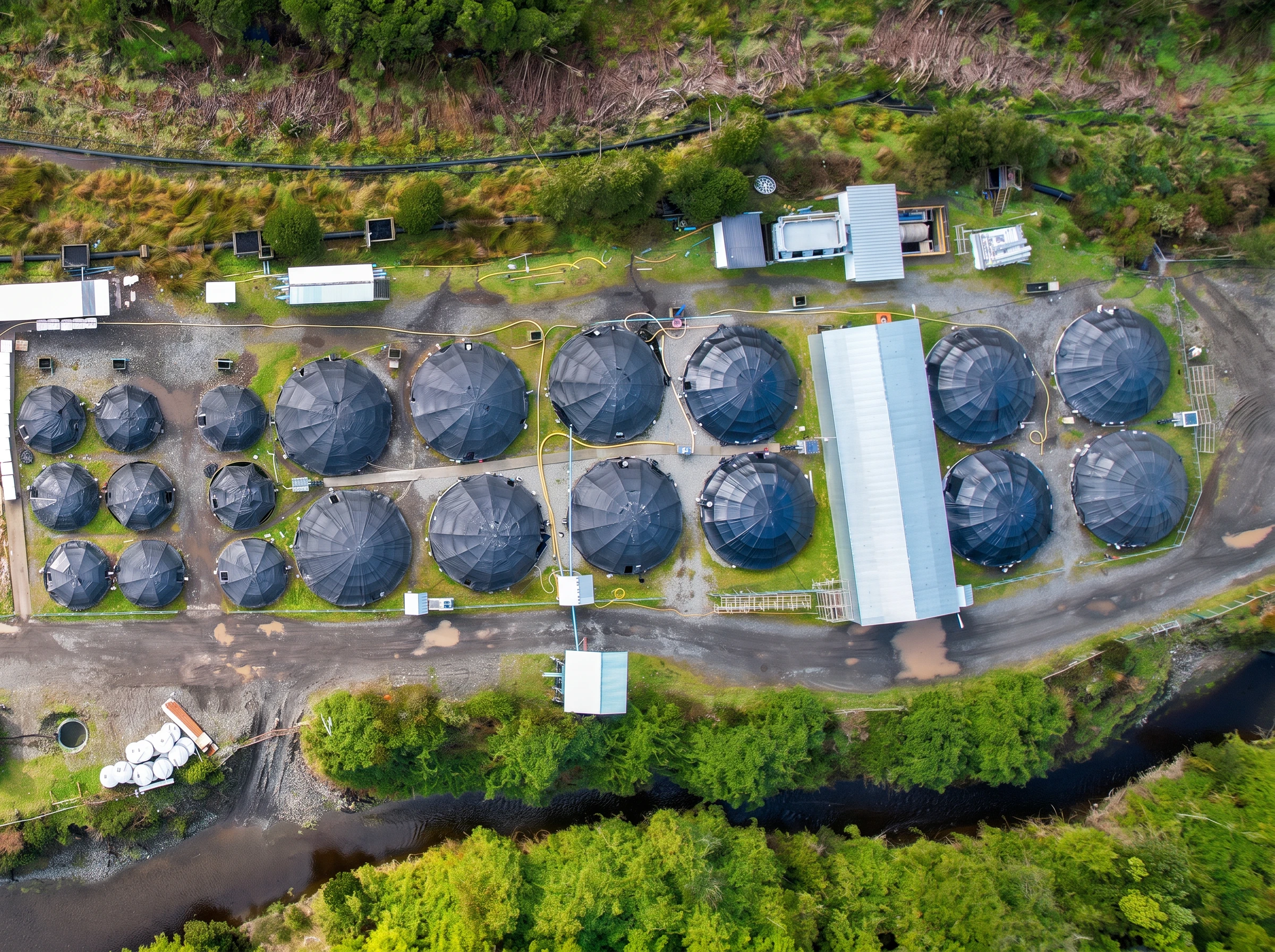
The great challenge of this hatchery was to commission its facilities from an early understanding of the industry and with very limited resources.
Critical needs were prioritized and practical solutions were developed to start operations.
A hatchery was commissioned with limited resources, creating a first experience in the industry.
With limited resources, it is essential to prioritize, choose simple solutions, and make the most of what is available.
A strategic facility focused on efficiency and operational performance.
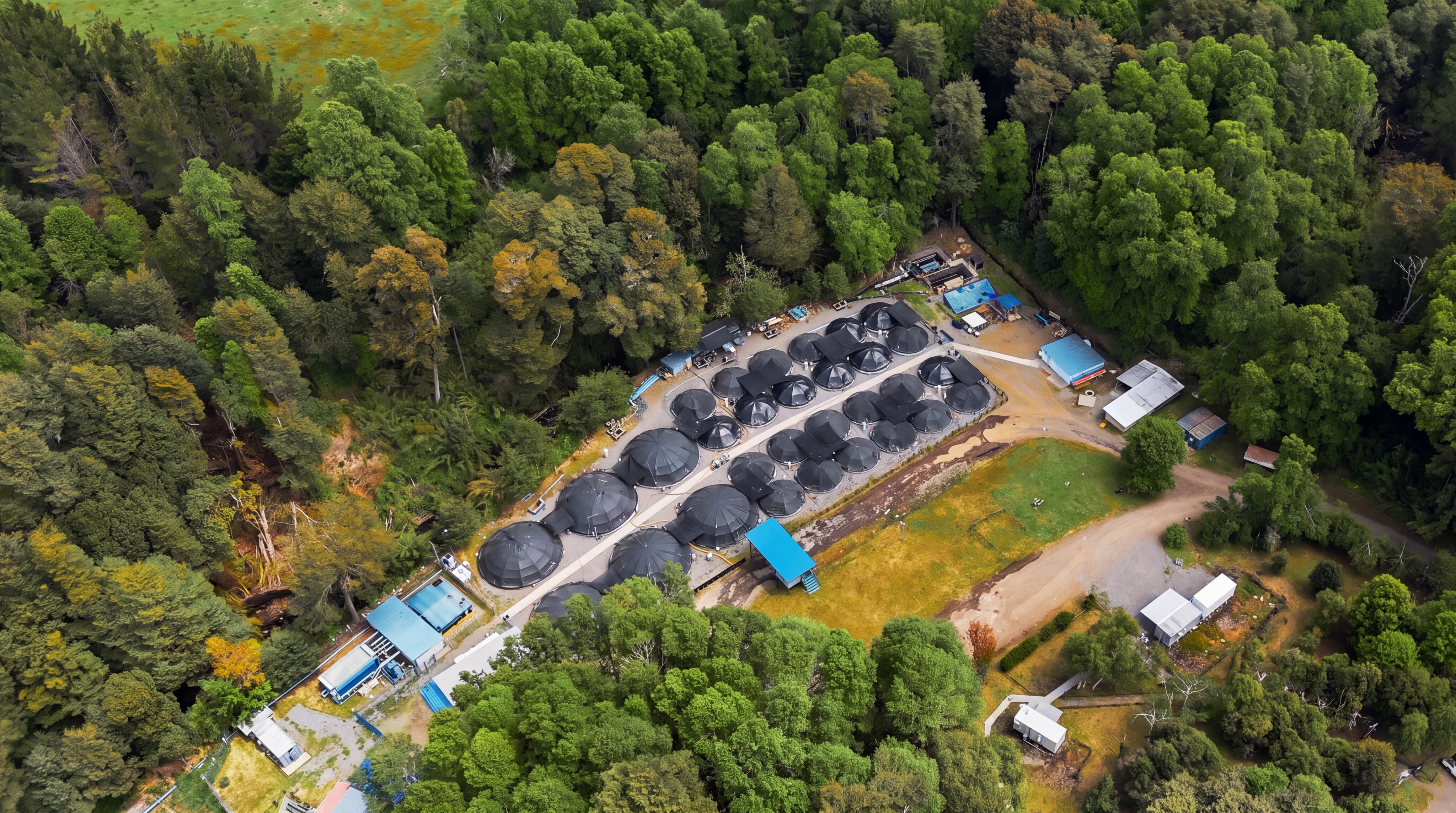
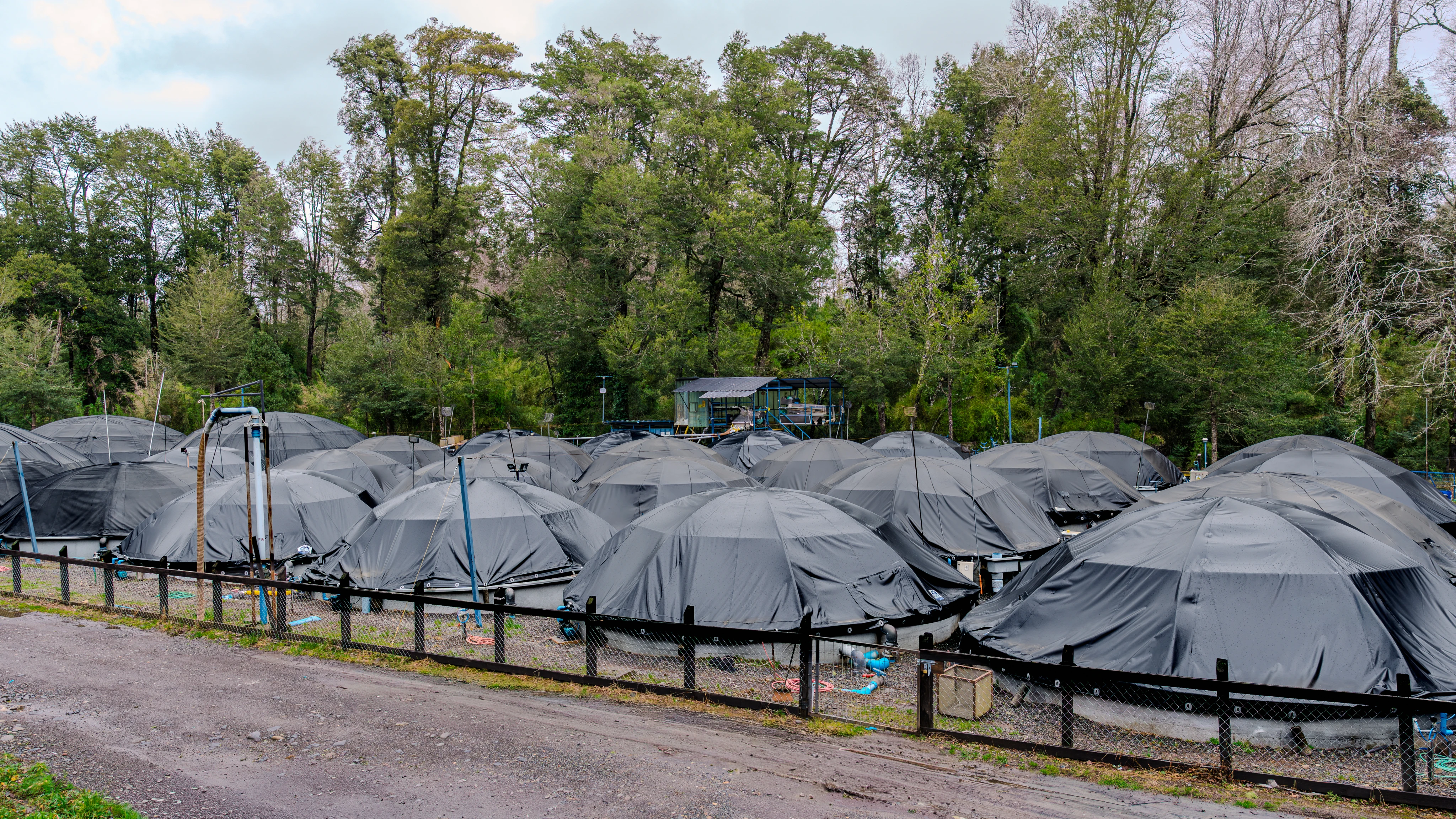
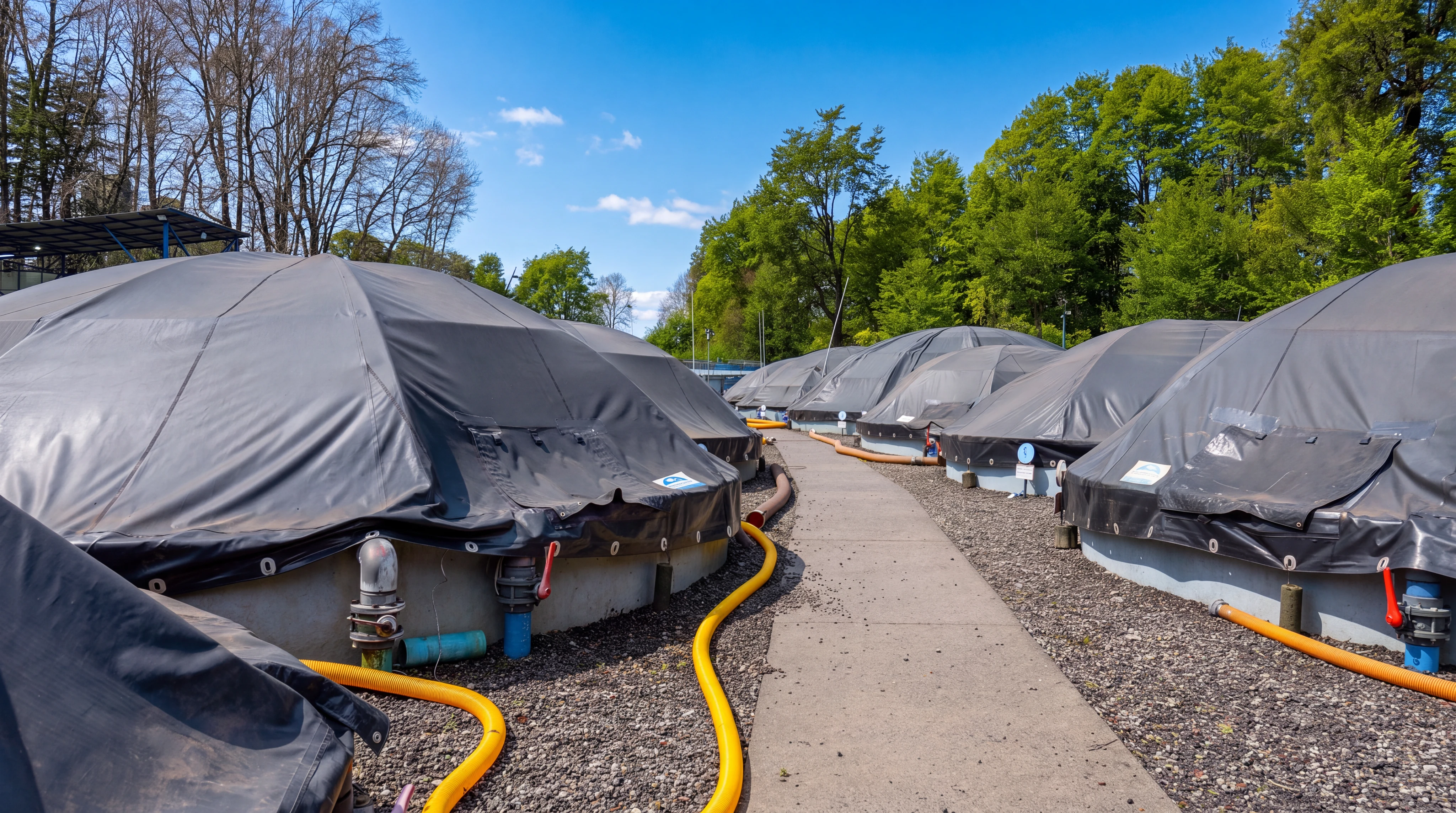
Our first hatchery in the Araucanía Region. The great challenge was to set up the full operating and production logistics in an area where we had no presence.
A logistics structure was developed to coordinate resources, people, and production from a new location.
A stable operation and an operating presence were established in the Araucanía Region.
Geographic expansion requires logistics planning, adaptation to the setting, and local teams.
A site prepared to respond to the changing needs of the salmon industry.
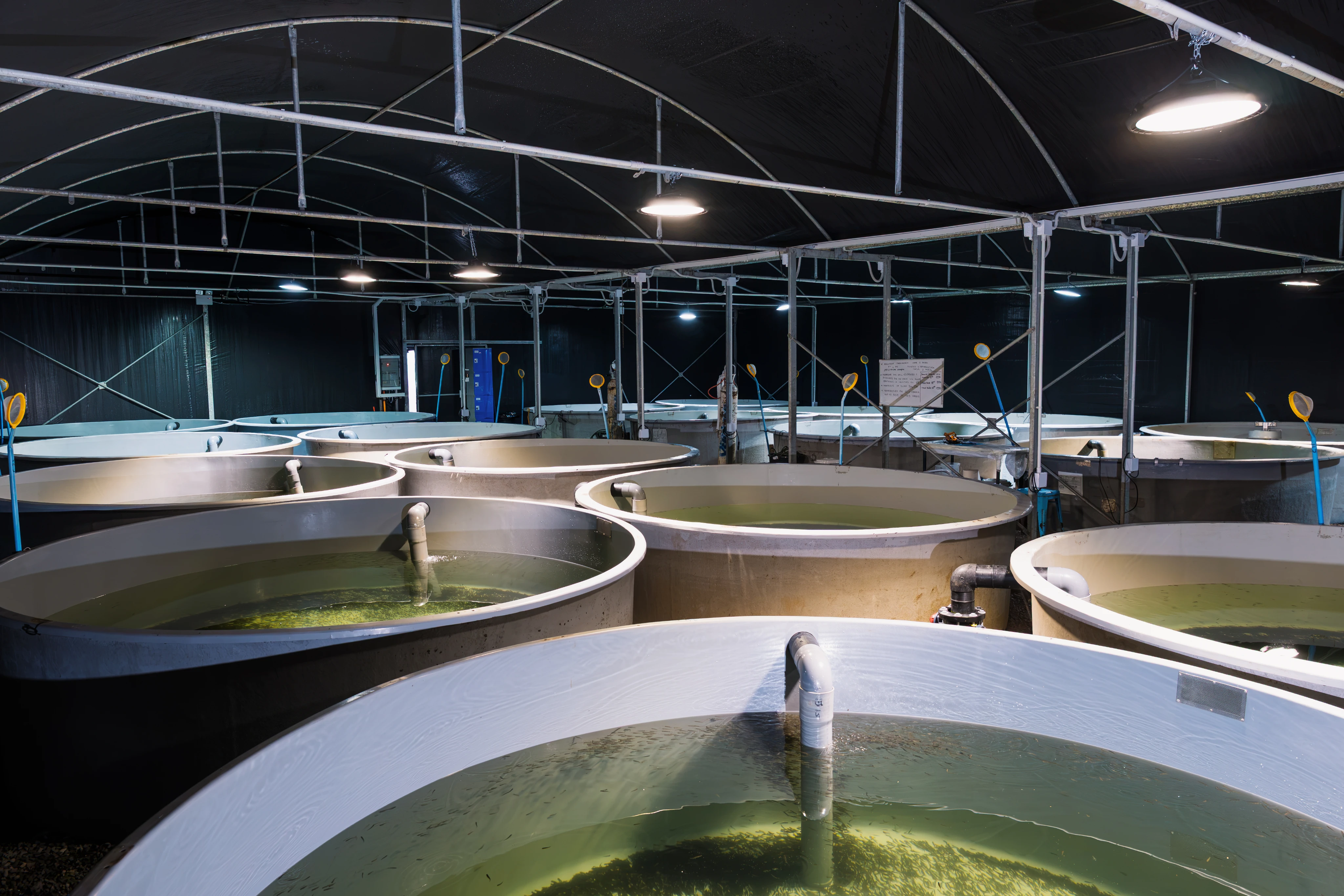
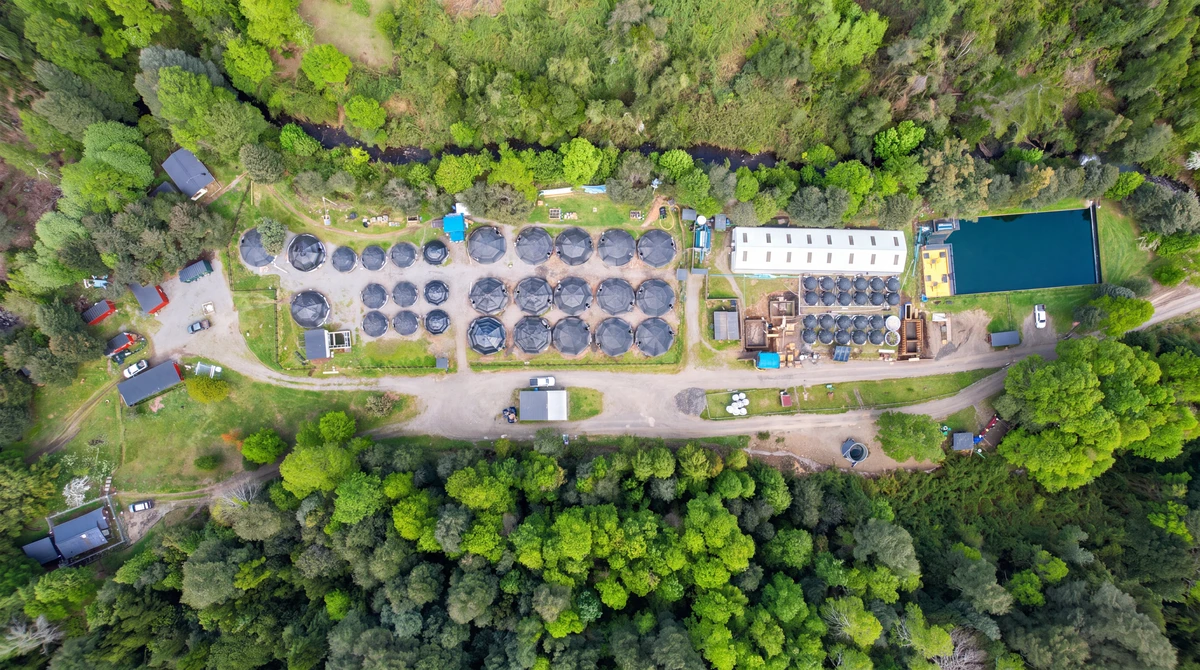
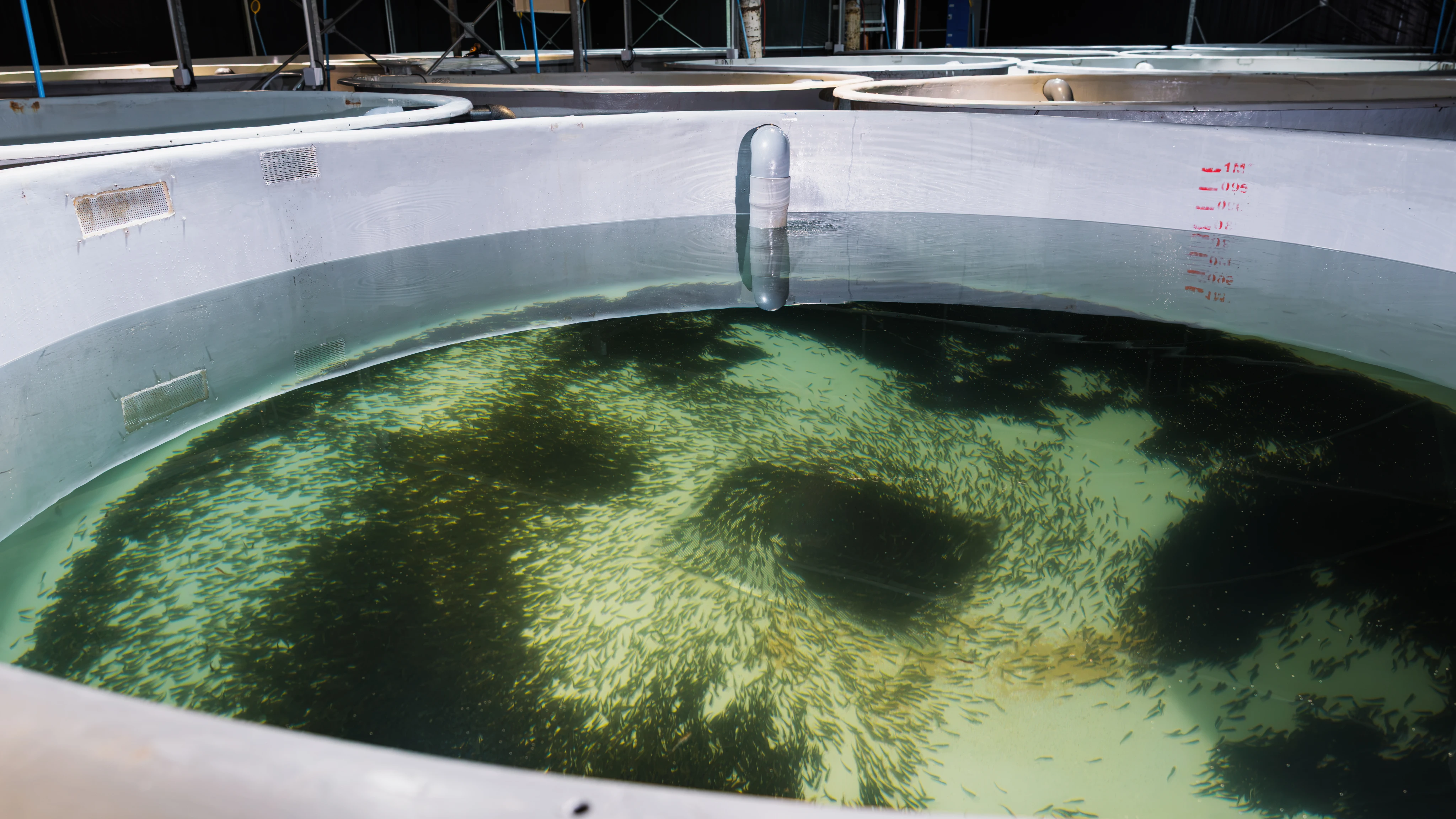
Our second hatchery in the Araucanía Region. Beyond the distance and location that made it harder to operate, the great challenge was to balance the production plan so we could make the most of water of extraordinary quality, but with extreme temperatures in winter and summer.
The production plan was adapted to the characteristics of the water and to thermal variation.
The water resource was put to use, adapting production to the climate and maximizing its potential.
Every water source has its own characteristics. Knowing them and adjusting production is key to performance.
An operation supported by processes designed to ensure reliability and stability.
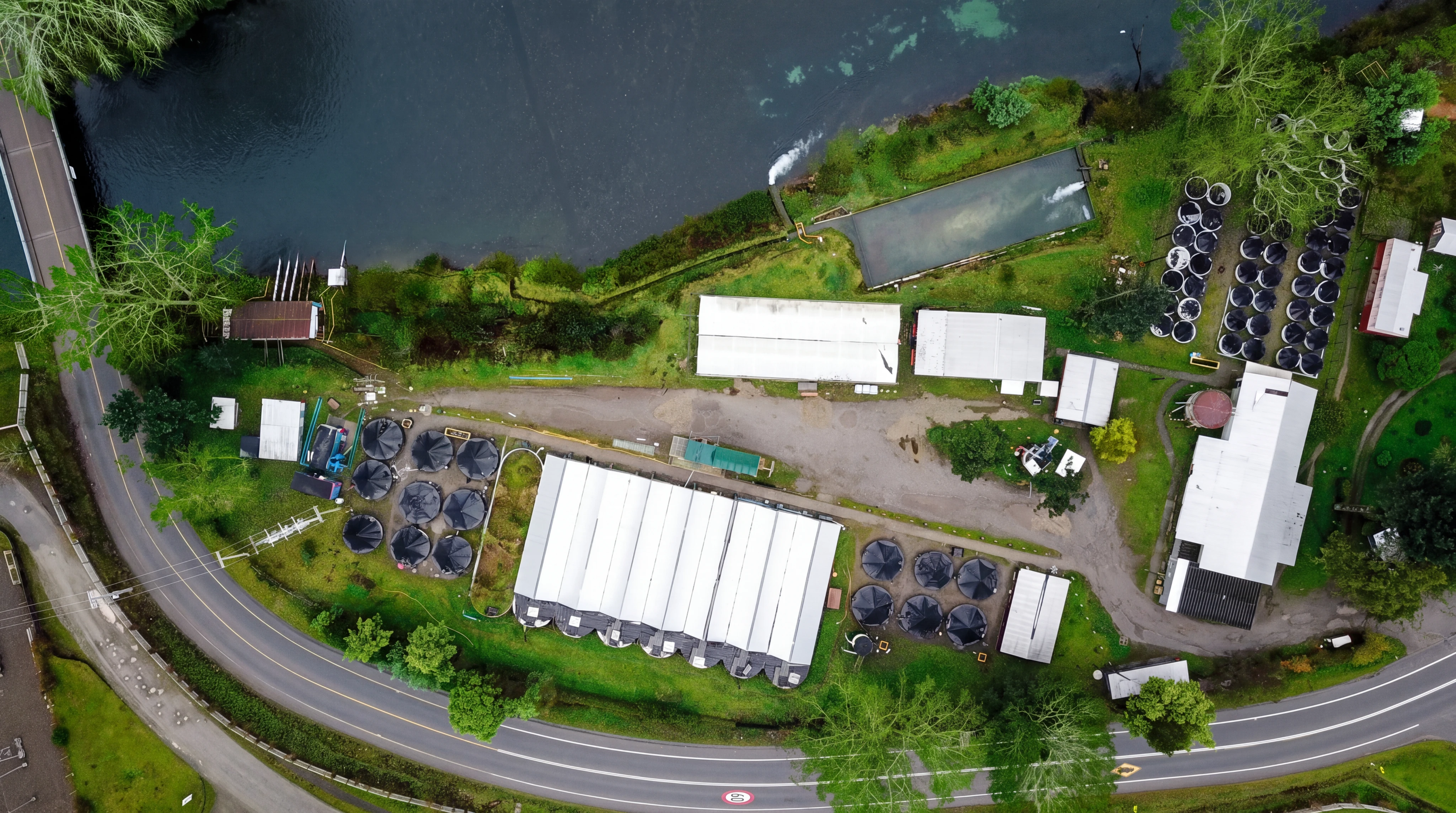
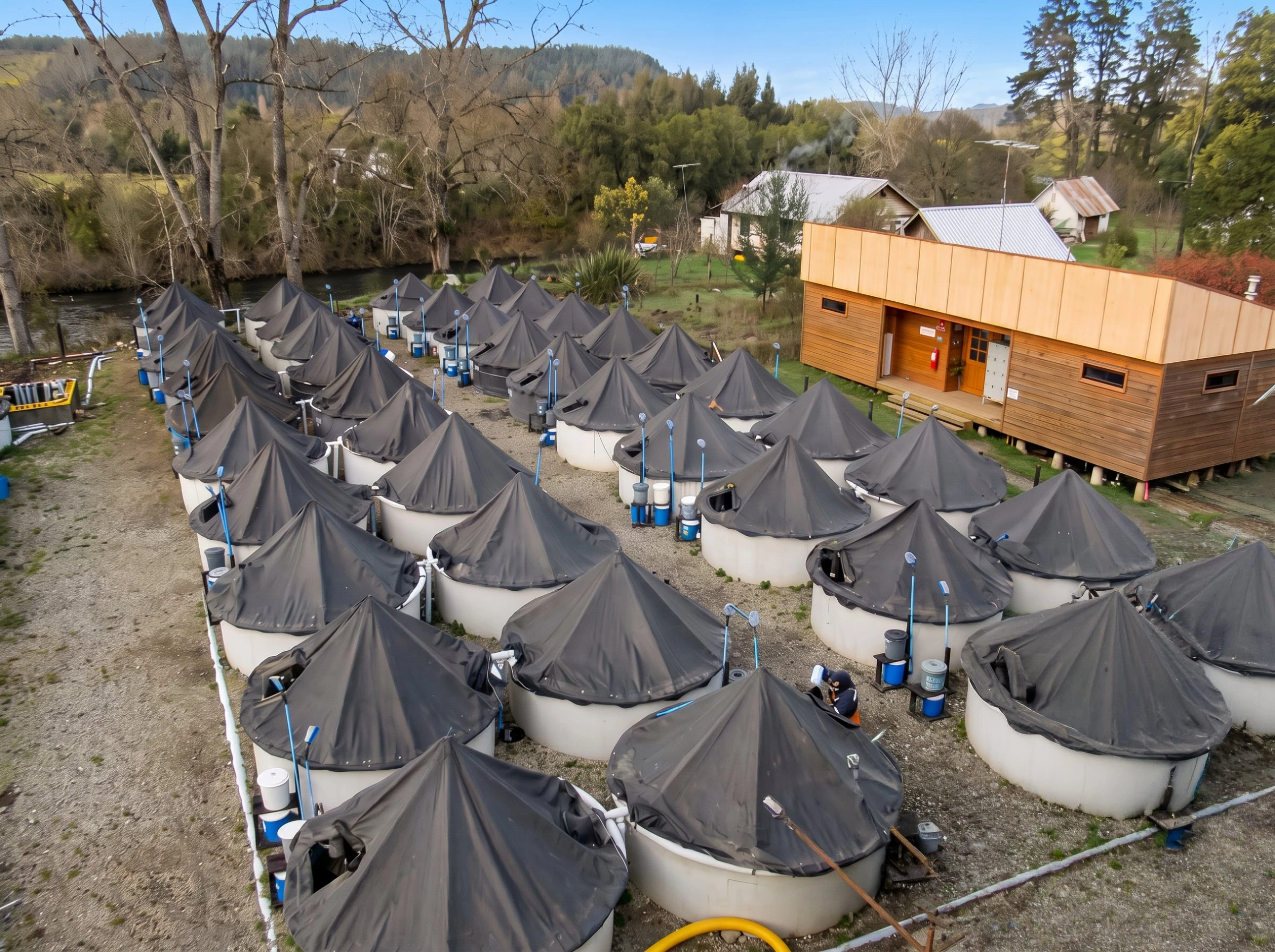
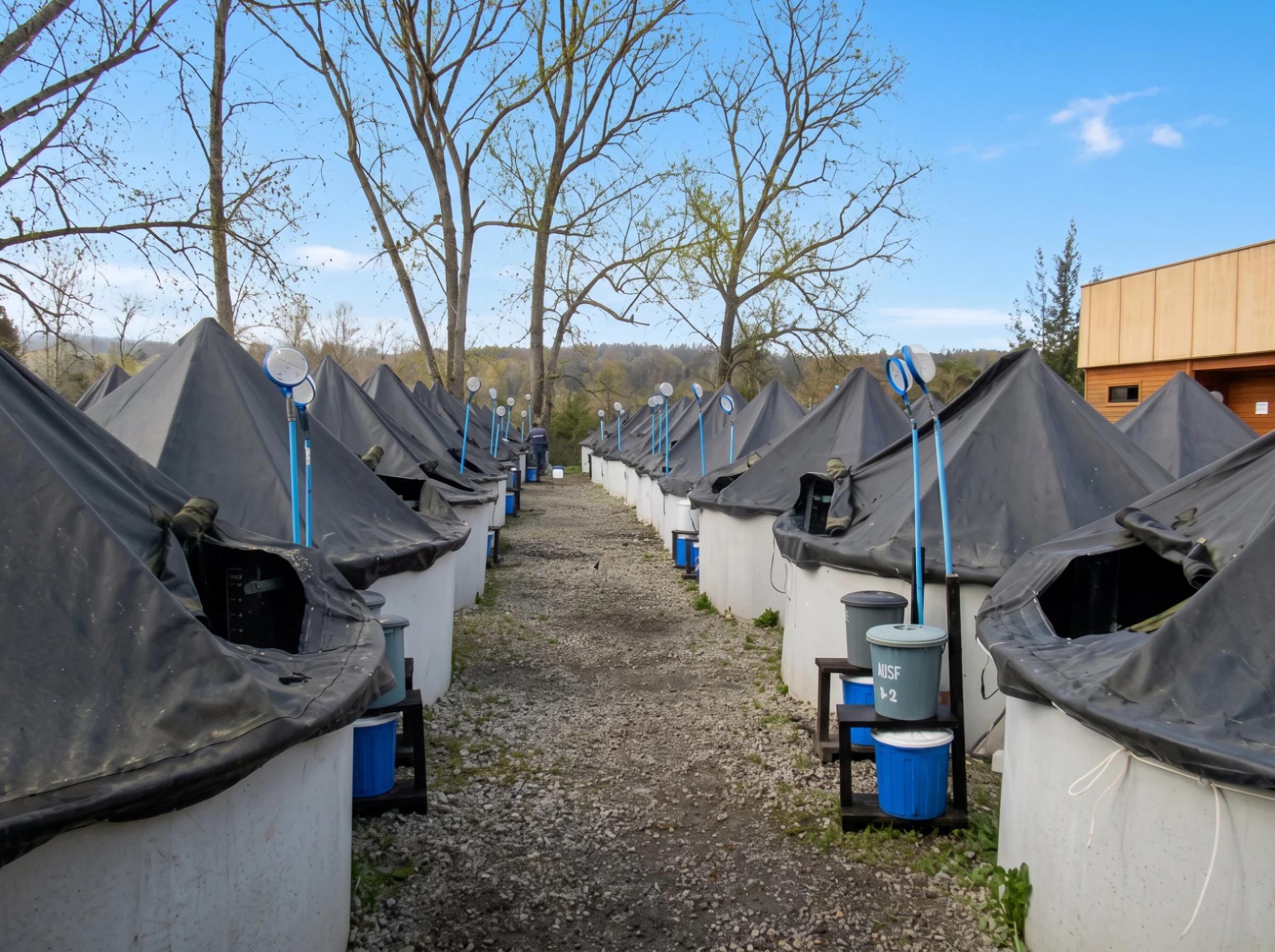
The great challenge was to turn a hatchery opened in 1970 into an operationally viable facility with modern technology.
Facilities and processes were modernized, adapting the infrastructure to production needs.
An old facility was recovered and turned into a viable operation, in line with current standards.
Renewing existing infrastructure is viable when experience, innovation, and sound investment priorities come together.
Infrastructure that combines experience, efficiency, and high production standards.
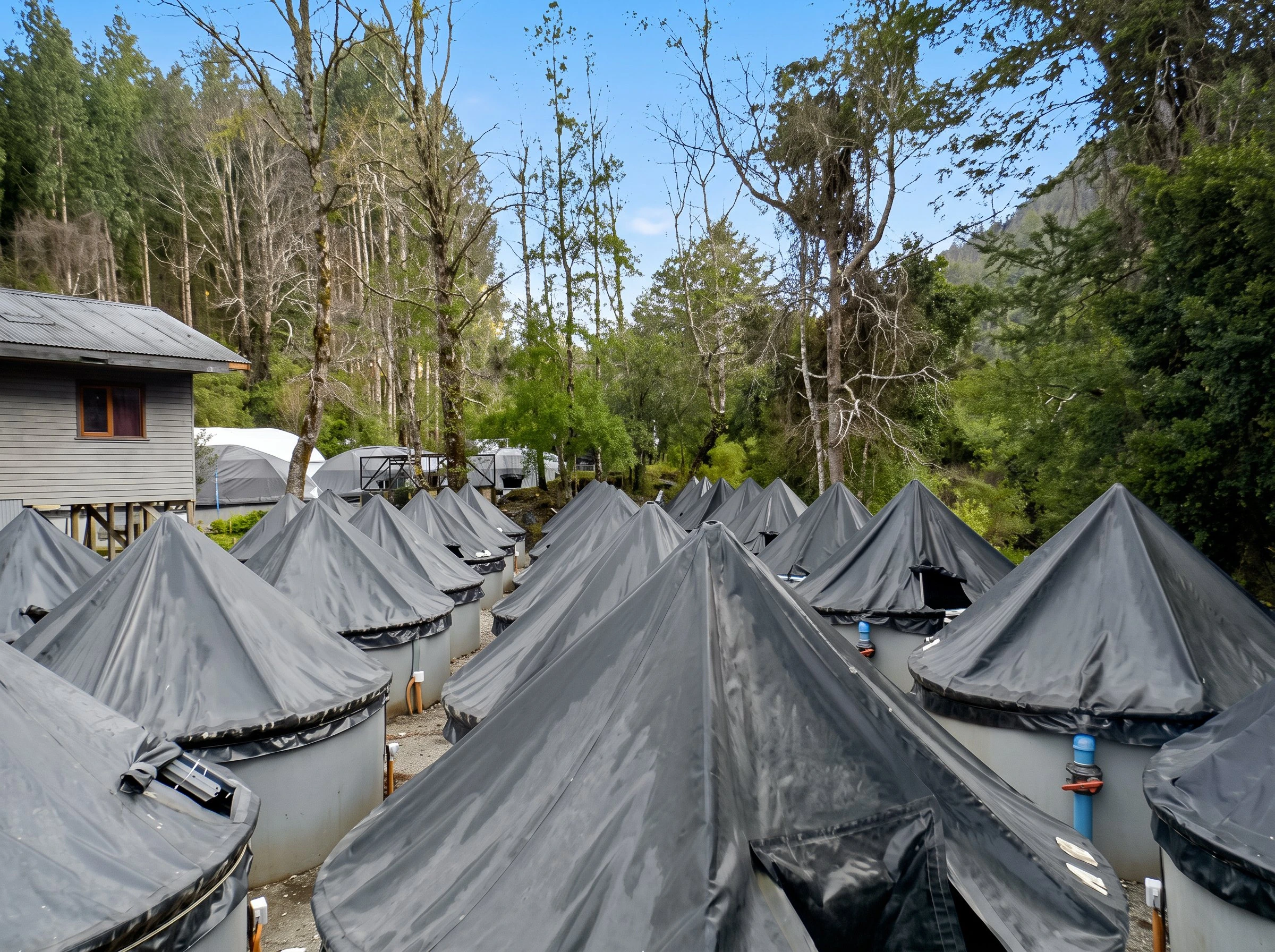
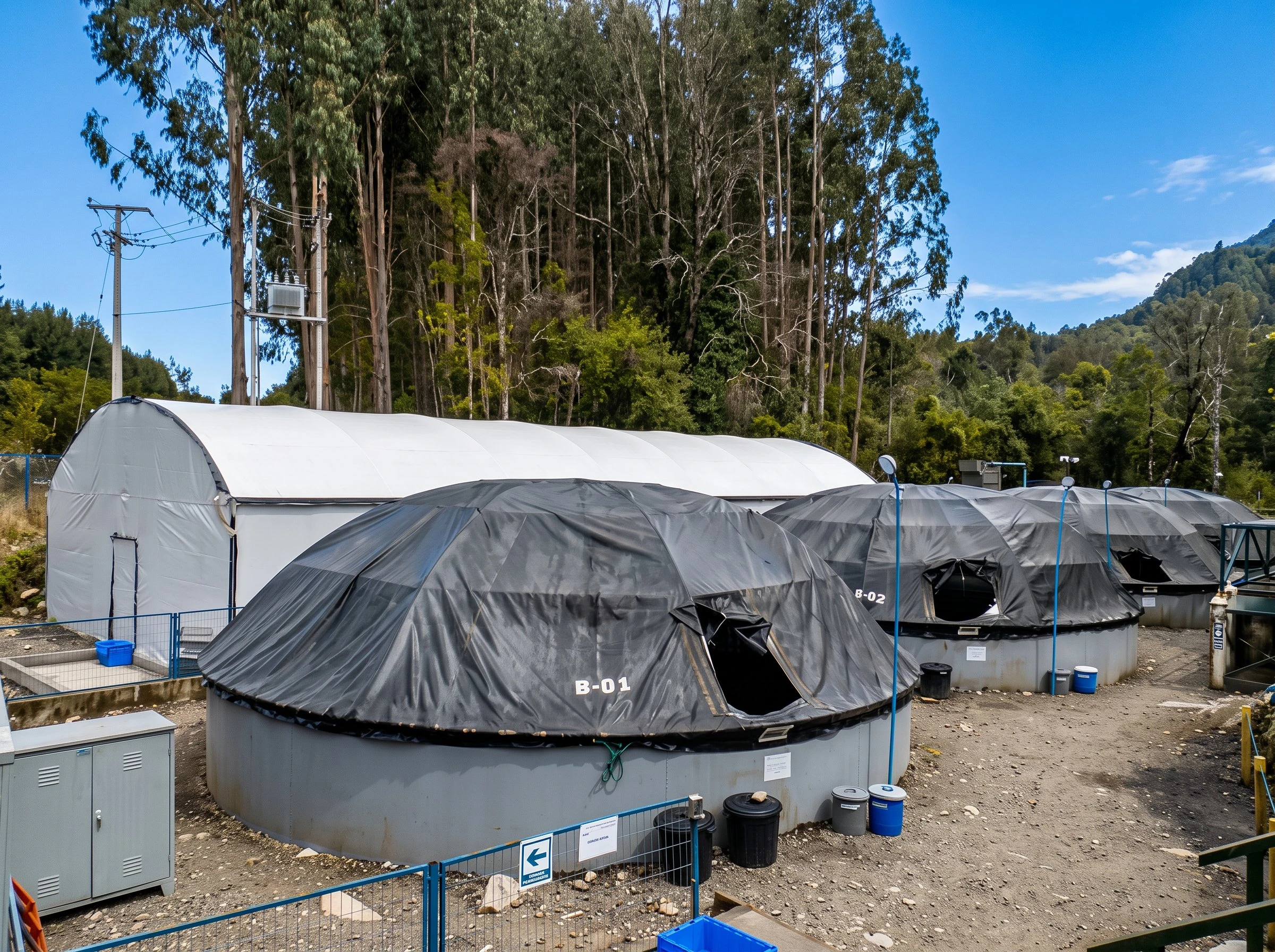
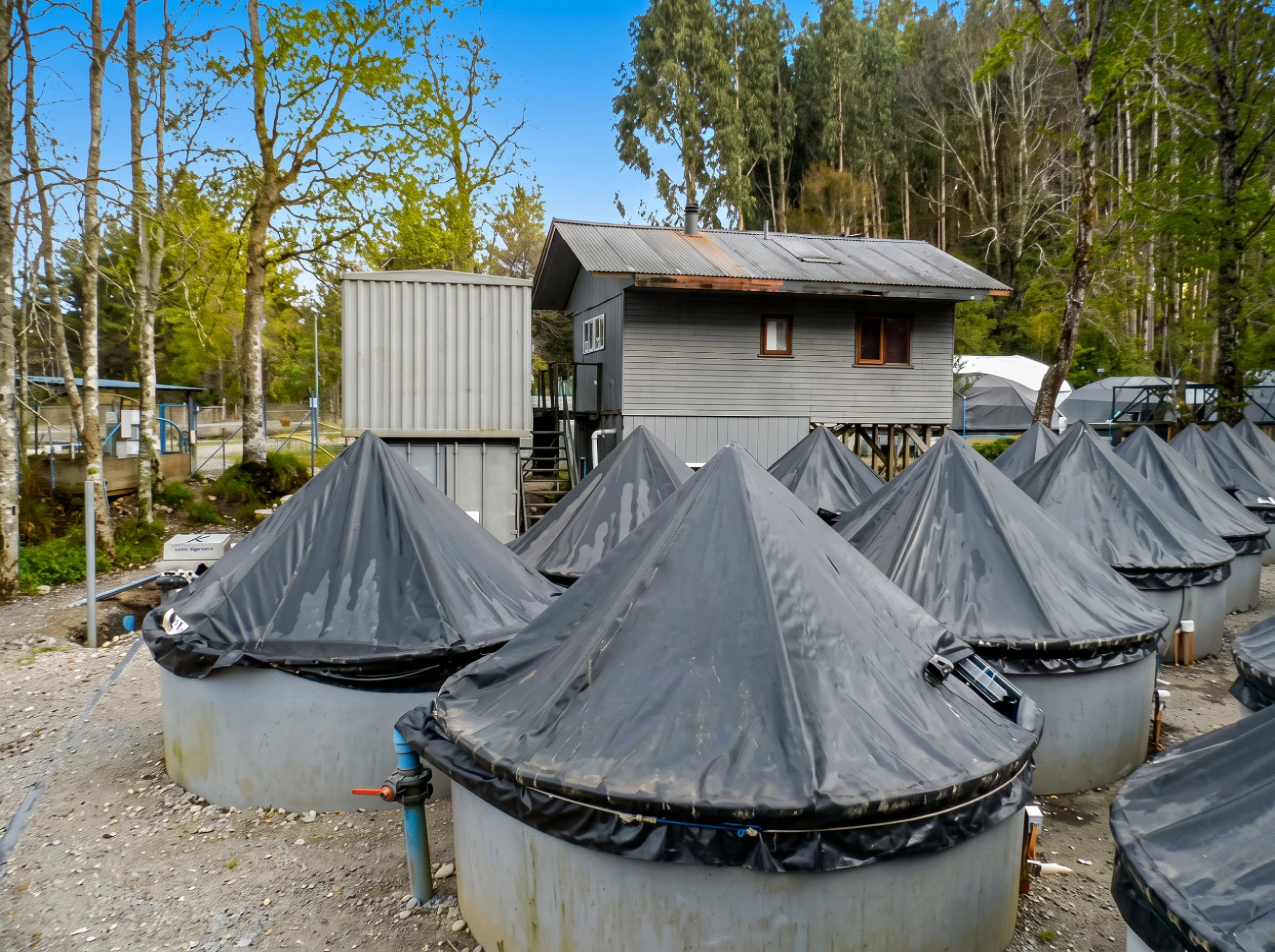
To turn a very small, artisanal hatchery into a facility able to produce a minimum viable volume to our quality standards.
Facilities and processes were optimized to increase capacity and professionalize the operation.
An artisanal operation was turned into a hatchery with greater capacity, order, and quality standards.
Small facilities can reach a viable scale through progressive improvements and standardized processes.
A facility focused on keeping processes efficient and adaptable to different production requirements.
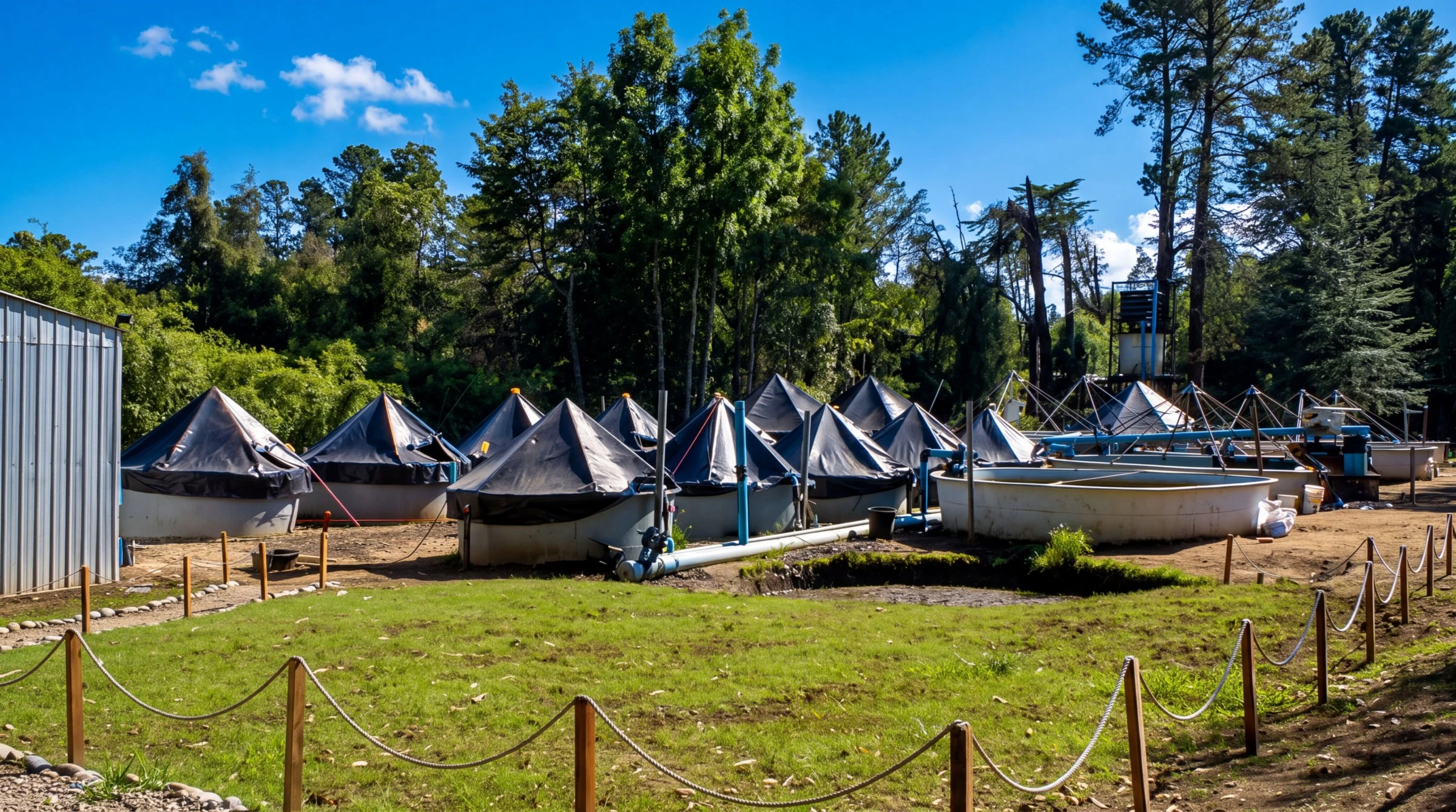
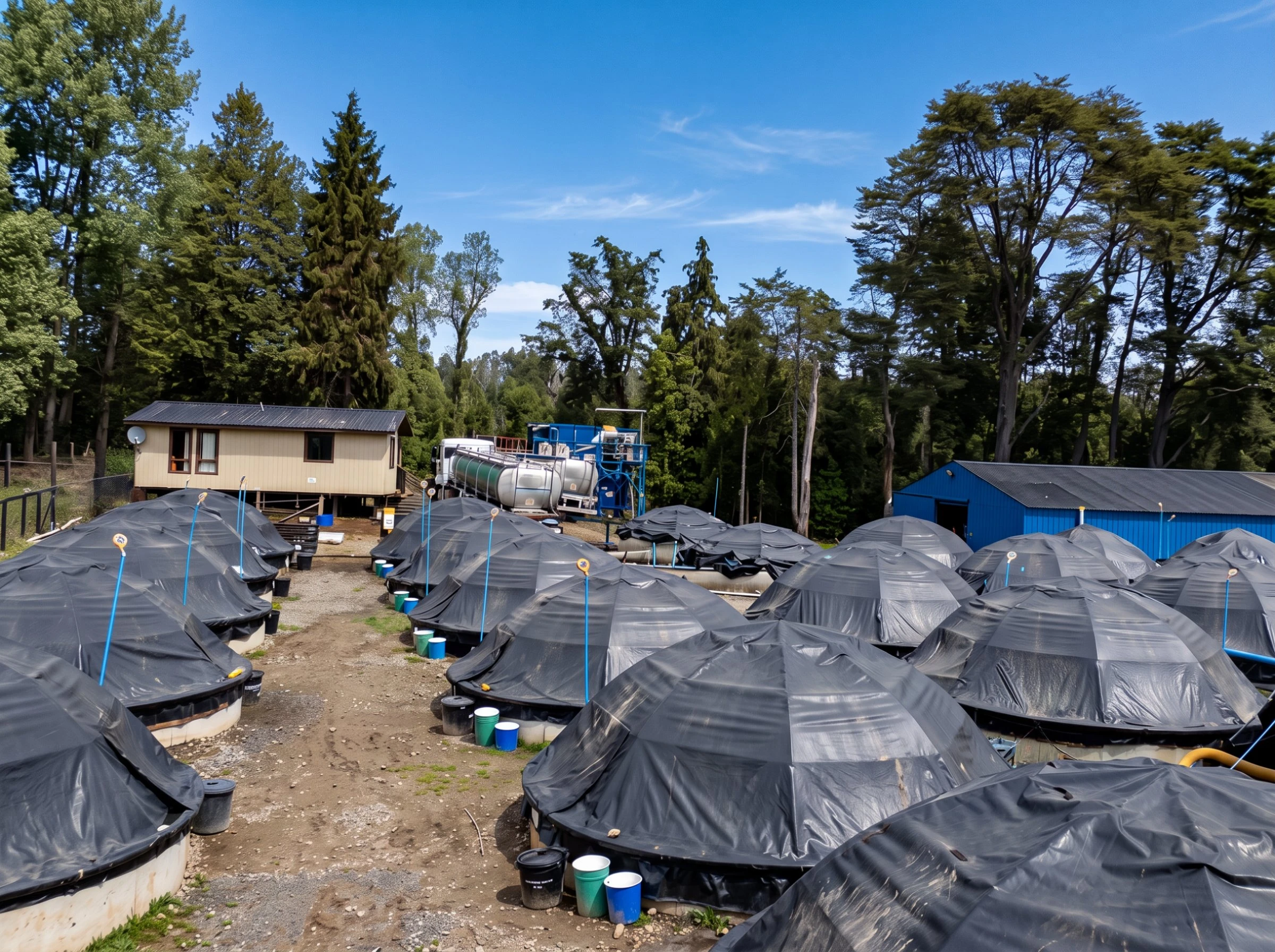
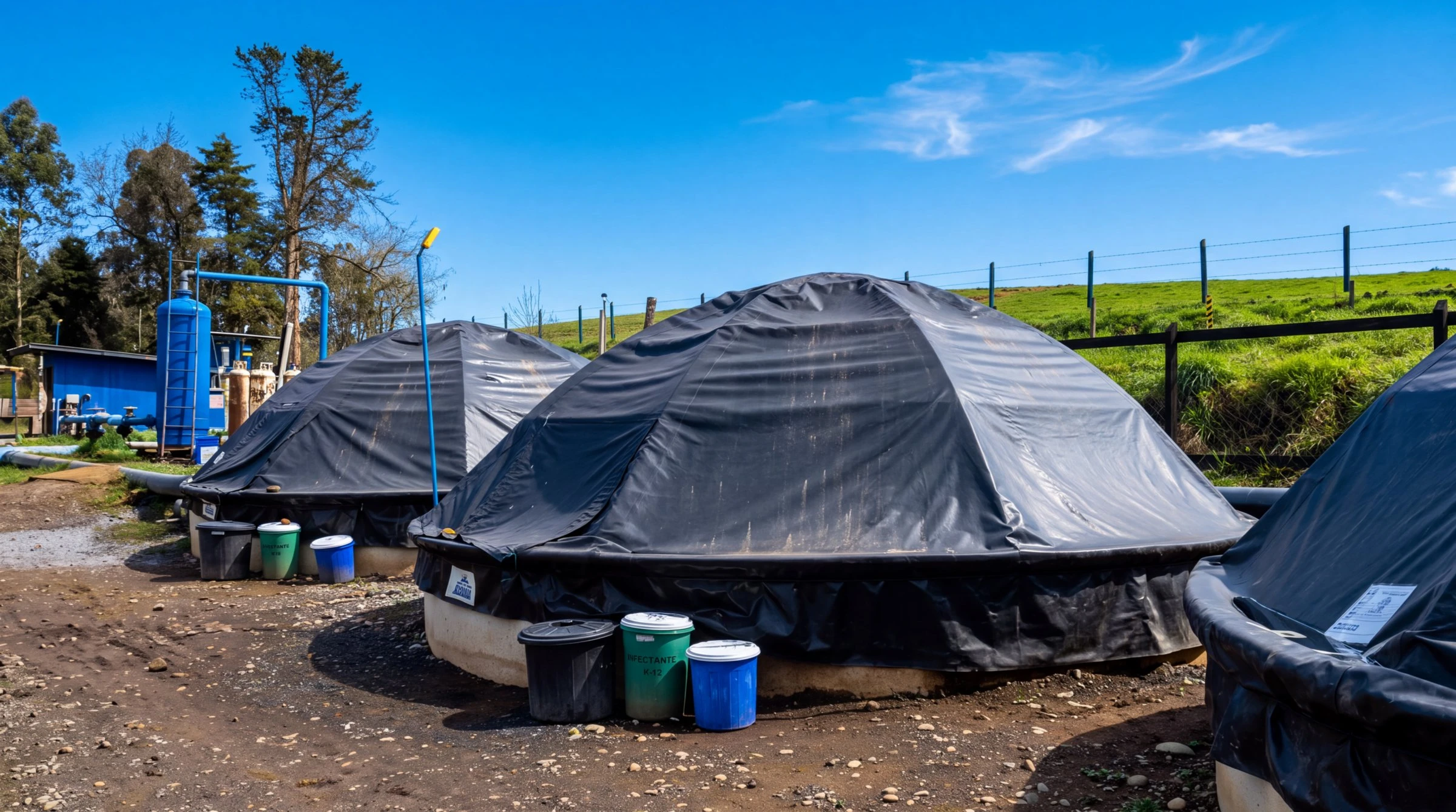
To transform a rudimentary, artisanal hatchery and bring both its construction and its production up to quality standards.
The facilities were modernized and the processes were standardized around quality and safety criteria.
The hatchery was turned into a more modern, orderly operation, aligned with the company's standards.
Improving an operation means addressing infrastructure, processes, people, and quality together.
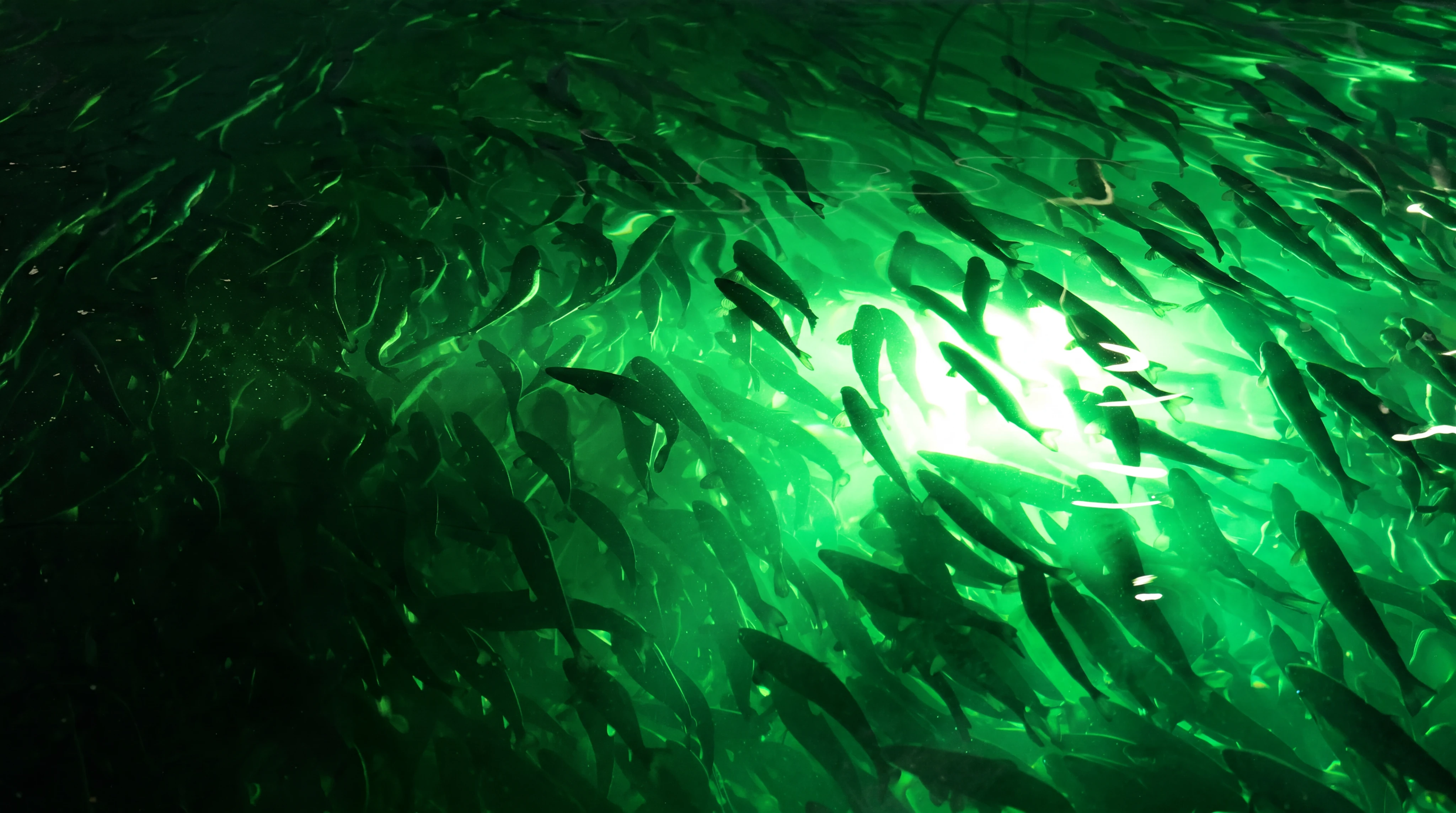
Each site represents years of learning, technical decisions, and experience gained in real conditions.